In this article, we’ll explore: 8 Foods To Avoid With an Upset Stomachand What To Eat Instead and why it matters today.
Related:
👉 Unlocking the Mystery: How PCOS Affects Your Uterus – And What Excessive ER & Histone Lactylation Have to Do With It
👉 Soothe Your Belly: 8 Foods To Avoid With an Upset Stomach and What To Eat Instead
👉 Understanding the Invisible Dance: How Hormones Shape Women's Unique Vulnerability to Traumatic Stress
Recommended product: 8 Foods To Avoid With an Upset Stomachand What To Eat Instead on Clickbank
Learn more: 8 Foods To Avoid With an Upset Stomachand What To Eat Instead on Wikipedia
We’ve all been there. That familiar, unwelcome rumble in your tummy, a wave of nausea, or that general feeling of “ugh.” An upset stomach can throw a wrench into your entire day, making even the simplest tasks feel like a monumental effort. It’s more than just an inconvenience; it’s your body sending a clear signal that something isn’t quite right.
When your digestive system is feeling delicate, the last thing you want to do is make it worse. But often, in our discomfort, we reach for the wrong things, or we’re simply unsure what’s safe to eat. The good news? Making smart food choices can significantly speed up your recovery and bring much-needed relief.
This isn’t just about avoiding the obvious culprits; it’s about understanding why certain foods cause trouble and what gentle, soothing alternatives can help your stomach heal. So, if you’re nursing a queasy tummy or simply want to be prepared for the next time your gut stages a protest, grab a cup of ginger tea (we’ll get to why that’s a good idea later!) and let’s dive into the **8 foods to avoid with an upset stomach and what to eat instead**. Your gut will thank you.
The Culprits: 8 Foods to Steer Clear Of When Your Stomach is Upset
When your digestive system is already working overtime or feeling sensitive, these foods can act like gasoline on a fire. They’re often difficult to digest, irritating to the stomach lining, or can exacerbate symptoms like gas, bloating, and diarrhea.
1. Spicy Foods
Imagine you’re already feeling a bit fragile, and then you pour a bucket of chili flakes onto your meal. That’s essentially what you’re doing to your sensitive stomach lining when you eat spicy foods. Ingredients like capsaicin, found in chili peppers, can irritate the digestive tract, leading to heartburn, stomach pain, and even diarrhea. For someone with an upset stomach, this can feel like a direct assault.
**Story Time:** My friend Sarah once tried to “sweat out” a cold with a super spicy curry while also battling a mild stomach bug. Within an hour, she regretted every single fiery bite, spending the rest of the evening in serious discomfort. Her stomach was already delicate, and the spice pushed it over the edge.
**What to Eat Instead:** Stick to bland, non-spicy foods. Think plain boiled chicken, steamed white rice, or a simple baked potato. These offer gentle energy without any irritation.
2. High-Fat and Fried Foods
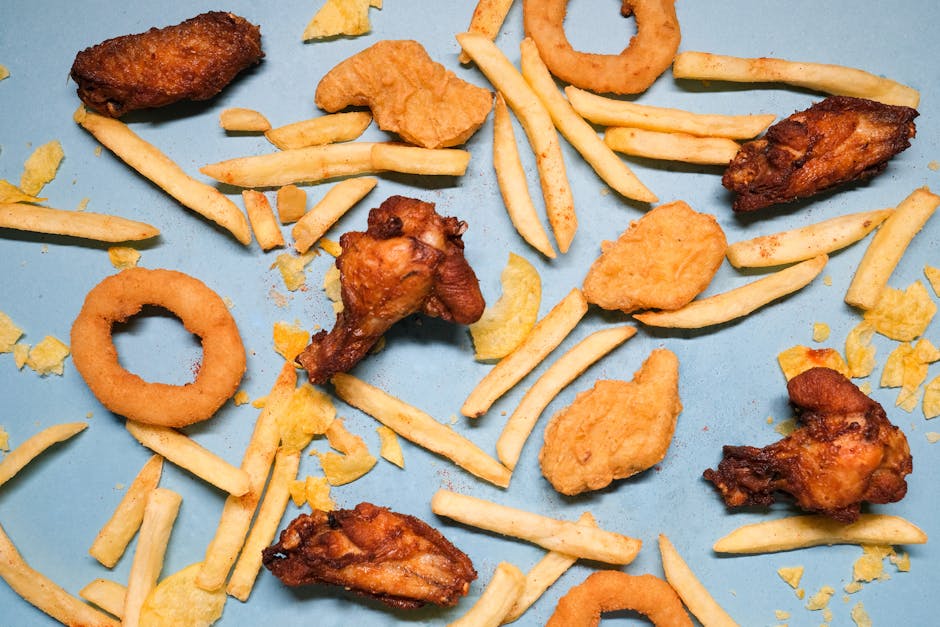
Ah, the siren song of a greasy burger or crispy fries. Delicious, yes, but a nightmare for an upset stomach. Foods high in fat, especially fried items, are much harder for your body to digest. They can slow down stomach emptying, leading to feelings of fullness, nausea, and indigestion. The gallbladder also has to work harder to produce bile to break down fats, which can be taxing when your system is already compromised.
**What to Eat Instead:** Opt for lean proteins prepared simply, like baked or grilled chicken or fish. Steamed vegetables (non-cruciferous ones, initially) are also good. Avocado, while fatty, has healthy fats that are generally easier to digest in small amounts, but it’s best to stick to very low-fat options when truly upset.
3. Caffeine
Your morning coffee might be your lifeblood on a normal day, but when your stomach is churning, it’s best to hit pause. Caffeine is a stimulant that can increase stomach acid production and act as a laxative, potentially worsening heartburn, acid reflux, and diarrhea. It can also dehydrate you, which is the last thing you need when battling an upset tummy.
**What to Eat Instead:** Herbal teas are your best friend. Peppermint tea can soothe nausea, while chamomile tea can calm an anxious stomach. Ginger tea is also fantastic for settling an upset stomach. And, of course, plain water is always a good choice for hydration.
4. Dairy Products (Especially for Lactose Intolerance)
Milk, cheese, yogurt, ice cream – dairy can be problematic for many, even those who don’t typically identify as lactose intolerant. When your stomach is upset, your body might temporarily struggle to produce enough lactase, the enzyme needed to break down lactose (the sugar in dairy). This can lead to gas, bloating, cramps, and diarrhea.
**What to Eat Instead:** If you suspect dairy is an issue, switch to lactose-free alternatives or plant-based milks like almond or oat milk. Small amounts of plain, unsweetened yogurt with live cultures might be tolerated by some, as the cultures help break down lactose, but it’s best to avoid it initially if your stomach is very sensitive.
5. Acidic Foods (Citrus Fruits, Tomatoes)
While fruits and vegetables are usually good for you, highly acidic ones can be irritating to an already inflamed stomach lining. Think oranges, grapefruits, lemons, limes, and tomatoes (and tomato-based sauces). They can exacerbate acid reflux symptoms and lead to more discomfort.
**What to Eat Instead:** Opt for less acidic fruits like bananas, melons (cantaloupe, honeydew), or applesauce. For vegetables, stick to thoroughly cooked, bland options like carrots, green beans, or zucchini.
6. Carbonated Drinks
That fizzy sensation might feel refreshing, but the bubbles in sodas, sparkling water, and even some fruit juices can introduce excess gas into your digestive system. This can lead to uncomfortable bloating, burping, and increased stomach pain, especially if you’re already feeling gassy or bloated.
**What to Eat Instead:** Flat, still water is always the best option. Electrolyte-rich drinks (without too much sugar or artificial sweeteners) can also be helpful for rehydration, especially if you’re experiencing vomiting or diarrhea. Herbal teas, as mentioned, are excellent.
7. Processed and Sugary Foods
Candy bars, cookies, sugary cereals, and highly processed snacks are a no-go. These foods are often low in fiber and nutrients but high in refined sugars and artificial ingredients. Sugar can feed bad bacteria in your gut, potentially worsening diarrhea or gas. Processed foods also contain additives that can be hard for a sensitive stomach to process.
**What to Eat Instead:** Choose whole, unprocessed foods. If you crave something sweet, a banana or a small serving of applesauce is a much better choice. Plain toast or crackers can also provide a simple carb source without the added sugars and chemicals.
8. Raw and Certain High-Fiber Vegetables
While fiber is generally good for you, when your stomach is upset, raw vegetables and certain high-fiber options (especially cruciferous ones like broccoli, cauliflower, and cabbage) can be tough to digest. They require a lot of work from your digestive system and can produce a lot of gas, leading to bloating and discomfort.
**What to Eat Instead:** Stick to well-cooked, soft vegetables. Steamed carrots, boiled potatoes (peeled), or soft zucchini are good options. These are easier to break down and less likely to cause gas. Gradually reintroduce raw vegetables as your stomach recovers.
Your Stomach’s Best Friends: Soothing Foods That Help
Now that we know what to avoid, let’s talk about the foods that can genuinely help calm your digestive system and promote healing.
* **The BRAT Diet:** This classic stands for **B**ananas, **R**ice, **A**pplesauce, and **T**oast. These foods are bland, low in fiber, and easy to digest, helping to bind stools and provide gentle energy.
* **Ginger:** Known for its anti-nausea properties, ginger can be incredibly soothing. Sip on ginger tea (made from fresh ginger root) or try small pieces of crystallized ginger.
* **Clear Broths:** Chicken or vegetable broth can provide essential nutrients and hydration without taxing your digestive system. They’re also a great way to get some electrolytes back into your system.
* **Herbal Teas:** Peppermint and chamomile teas are excellent choices. Peppermint can relax stomach muscles, while chamomile has anti-inflammatory properties and can help calm the gut.
* **Boiled Potatoes:** Peeled and boiled, potatoes are a good source of energy and easy on the stomach.
* **Plain Lean Protein:** Once you can tolerate it, small amounts of plain, baked or boiled chicken breast or white fish can provide much-needed protein for recovery.
* **Oatmeal:** Cooked oats (not instant, sugary varieties) can be a good source of soluble fiber, which can help soothe the digestive tract.
Key Takeaways for a Happy Tummy
Dealing with an upset stomach is no fun, but making informed food choices can make a world of difference. Remember these key points:
* **Listen to Your Body:** Your stomach will tell you what it can handle. Start with very bland foods and gradually reintroduce others.
* **Hydrate, Hydrate, Hydrate:** Water and electrolyte drinks are crucial, especially if you’ve experienced vomiting or diarrhea.
* **Keep it Simple:** When in doubt, choose bland, cooked, and easily digestible foods. Avoid anything spicy, fatty, acidic, or heavily processed.
* **Don’t Rush:** Give your digestive system time to heal. Reintroducing challenging foods too soon can set you back.
Your Upset Stomach Questions, Answered!
Q1: How long should I stick to bland foods?
A: Generally, you should stick to bland foods for at least 24-48 hours after your symptoms have subsided. Once you feel significantly better, you can slowly start reintroducing other foods, one at a time, to see how you tolerate them.
Q2: When should I see a doctor for an upset stomach?
A: While most upset stomachs resolve on their own, you should consult a doctor if you experience severe pain, high fever, bloody or black stools, persistent vomiting (especially if you can’t keep liquids down), signs of dehydration, or if symptoms last longer than a few days.
Q3: Is plain water enough, or should I drink something else?
A: Plain water is excellent for hydration. However, if you’re experiencing vomiting or diarrhea, you’re losing electrolytes. In these cases, electrolyte-rich drinks (like oral rehydration solutions or diluted sports drinks) can be very beneficial to replenish lost salts and minerals.
Q4: Can probiotics help with an upset stomach?
A: Probiotics, found in foods like yogurt (if tolerated) or supplements, introduce beneficial bacteria to your gut. They can be helpful in restoring gut balance, especially after an illness or antibiotic use. However, it’s best to introduce them gently once acute symptoms have passed, and consult with a healthcare professional before starting any new supplement.
Wrapping Up: Your Path to Digestive Peace
An upset stomach is your body’s way of asking for a little extra care and attention. By understanding the **8 foods to avoid with an upset stomach and what to eat instead**, you’re empowering yourself to make choices that support healing and comfort. It’s not about deprivation, but about giving your digestive system the break it needs to get back on track.
So, the next time your tummy feels a bit off, remember this guide. Opt for the soothing, gentle choices, hydrate well, and give yourself the grace to recover. Your gut will thank you for it, and you’ll be back to feeling like your vibrant self in no time!
Written with love and assistance and refined for quality.
{“@context”:”https://schema.org”,”@type”:”Article”,”headline”:”8 Foods To Avoid With an Upset Stomach and What To Eat Instead: Your Guide to Feeling Better, Faster”,”description”:”In this article, weu2019ll explore: 8 Foods To Avoid With an Upset Stomachand What To Eat Instead and why it…”,”author”:{“@type”:”Person”,”name”:”Dr. Cuterus”},”datePublished”:”2026-05-16T12:38:02+00:00″,”dateModified”:”2026-05-16T12:38:02+00:00″,”mainEntityOfPage”:”https://healthyworldz.com/8-foods-to-avoid-with-an-upset-stomach-and-what-to-eat-instead-your-guide-to-feeling-better-faster-2/”,”image”:[“https://healthyworldz.com/wp-content/uploads/2026/05/8-foods-to-avoid-with-an-upset-stomachand-what-to-eat-instead-63.jpg”]}
🔗 Related: Women with polycystic ovary syndrome exhibit…
🔗 Related: Hormonal mechanisms of womens risk in…
🔗 Related: 8 Foods To Avoid With an…