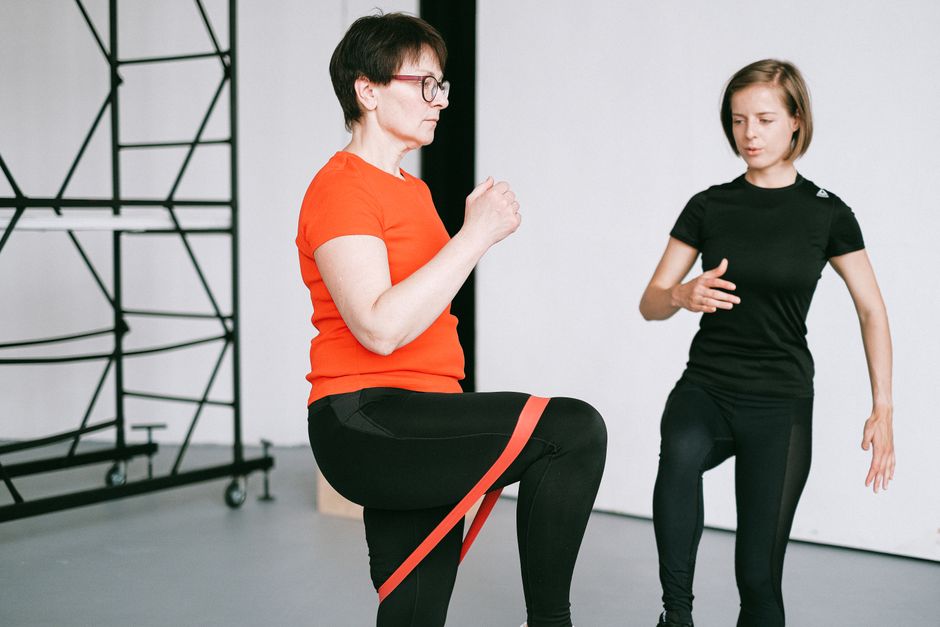
In this article, we’ll explore: Perineal muscle strength as a predictor of stress urinary incontinence among young parous women in Mangaluru India and why it matters today.
Related:
👉 The Silent Risk: Why Menopause and GLP-1 Drugs Are a "Perfect Storm" for Bone Loss in Women
👉 One Supplement, Two Huge Wins: How to Build Muscle and Boost Your Brain at the Same Time
👉 Perineal Muscle Strength: A Critical Predictor of Stress Urinary Incontinence Among Young Mothers in Mangaluru
Imagine you’re out with your friends at a cozy café in Balmatta, sharing a plate of spicy Goli Baje and laughing at a joke. Suddenly, you feel a tiny, unexpected leak. Your heart sinks. You quickly cross your legs, hoping no one noticed, and the laughter suddenly doesn’t feel so fun anymore.
If this sounds familiar, you aren’t alone. For many young mothers in Mangaluru, this “silent” issue is a daily reality. It’s called Stress Urinary Incontinence (SUI), and while it’s incredibly common, we don’t talk about it nearly enough. Whether it happens when you sneeze, cough, or lift your toddler, it can take a toll on your confidence.
Recent health discussions in our coastal city have highlighted a very specific area of concern: perineal muscle strength as a predictor of stress urinary incontinence among young parous women in Mangaluru India. Today, we’re going to break down what that means, why it matters for you, and how understanding your body can help you reclaim your life.
The “Oops” Moment: What is Stress Urinary Incontinence?
Before we dive into the science, let’s clear up what SUI actually is. It isn’t about being “stressed” in the emotional sense. Instead, it refers to physical stress or pressure placed on your bladder. When your pelvic floor muscles—specifically the perineal muscles—are weak, they can’t support the bladder properly during sudden movements.
For young “parous” women (a fancy medical term for women who have given birth), the body has gone through incredible changes. Pregnancy and childbirth are like a marathon for your pelvic floor. While our bodies are designed for this, sometimes the muscles need a bit of help getting back to their original strength.
Why the Focus on Mangaluru?
Mangaluru is a unique blend of traditional values and modern lifestyles. We have world-class healthcare facilities, yet many women here still feel a sense of “shame” or “shyness” (what we often call mariyade or lajje) when discussing issues “down there.”
Researching perineal muscle strength as a predictor of stress urinary incontinence among young parous women in Mangaluru India is vital because our local lifestyle factors—from our diet to the way we manage household chores—impact our physical recovery after birth. By focusing on our specific community, healthcare providers can offer better, more culturally sensitive advice that goes beyond a standard medical pamphlet.
The Story of Ananya
Ananya, a 29-year-old teacher living in Kadri, noticed she started leaking urine about six months after her second child was born. She thought it was just a “normal” part of being a mom. She stopped going for her morning walks at Kadri Park because she was afraid of an accident. It wasn’t until she spoke to a specialist that she realized her perineal muscle strength was the key. By identifying the weakness early, she was able to start targeted exercises and get her life back.
What are Perineal Muscles, Anyway?
Think of your pelvic floor as a sturdy hammock. This hammock holds your bladder, uterus, and bowels in place. The perineal muscles are a crucial part of this support system.
During a vaginal delivery, these muscles stretch significantly. In some cases, there might be small tears or a surgical cut (episiotomy). If these muscles don’t regain their tone, the “hammock” starts to sag. When you cough or jump, the hammock can’t hold the bladder closed, leading to that “oops” moment.
How Strength Predicts the Future
The core of the research into perineal muscle strength as a predictor of stress urinary incontinence among young parous women in Mangaluru India is simple: if we can measure how strong these muscles are shortly after childbirth, we can predict who is most at risk for long-term SUI.
- High Strength: Lower risk of leakage; better support for internal organs.
- Moderate Strength: May experience occasional leaks during heavy lifting or severe coughing.
- Low Strength: High risk of daily SUI, which may worsen over time if not addressed.
Factors That Affect Muscle Strength in Young Mothers
It’s not just about the birth itself. Several factors play a role in how strong your perineal muscles are after you’ve had a baby:
1. Number of Deliveries
With each pregnancy, the pelvic floor undergoes more pressure. Women in Mangaluru who have had two or more children often show a more significant decrease in muscle tone compared to first-time mothers.
2. The “Push” Factor
A long second stage of labor (the pushing part) can strain the nerves and muscles of the pelvic floor. It’s like overstretching a rubber band; sometimes it takes a while to snap back.
3. Birth Weight
In our community, we love “healthy” babies! However, delivering a larger baby (over 3.5kg or 4kg) puts extra demand on the perineal muscles during delivery.
4. Post-Baby Activity
In many Mangalorean households, there is a tradition of 40 days of rest (the jaat or postpartum confinement). While rest is good, a total lack of gentle movement or the sudden return to heavy lifting (like carrying buckets of water or heavy grocery bags from the Central Market) can hinder muscle recovery.
How to Test Your Muscle Strength
You don’t always need a high-tech lab to know if your muscles are struggling. Here are a few signs that your perineal muscle strength might be low:
- You leak when you sneeze, laugh, or cough.
- You feel a “heaviness” or pressure in your pelvic area.
- You find it difficult to stop the flow of urine mid-stream (though you shouldn’t do this often, it’s a good one-time test).
- Tampons feel like they are slipping out or are uncomfortable.
In a clinical setting in Mangaluru, doctors often use a “Perineometer” or manual muscle testing to give you an objective score. Knowing this score is the first step toward a dry, confident future.
The Way Forward: Strengthening and Support
The good news? The pelvic floor is made of muscle, and like any other muscle in your body—be it your biceps or your calves—it can be strengthened!
The Power of Kegels
Most women have heard of Kegels, but many do them incorrectly. It’s not about squeezing your butt or your thighs. It’s about lifting the internal muscles. Imagine you are trying to pick up a marble with your vagina. Lift, hold for five seconds, and relax.
Seek Professional Help
Mangaluru is home to some excellent pelvic floor physiotherapists. If you feel that your perineal muscle strength as a predictor of stress urinary incontinence among young parous women in Mangaluru India is leaning toward the “at-risk” side, don’t hesitate to book a session. They can use biofeedback to show you exactly which muscles to move.
Lifestyle Tweaks
- Manage Constipation: Straining on the toilet is the enemy of a strong pelvic floor. Eat plenty of local fiber—think red rice, leafy greens, and seasonal fruits like papaya.
- Watch the Weight: Excess weight puts constant pressure on your “hammock.”
- Lift Smart: If you have to lift your child or a heavy bag of jasmine flowers, exhale as you lift and engage your core.
Key Takeaways
- SUI is common, but not “normal”: Just because other moms experience it doesn’t mean you have to live with it forever.
- Muscle strength is the key: Your perineal muscle strength is the best predictor of whether you will face SUI.
- Early intervention works: Identifying weakness early in your “parous” years (young motherhood) can prevent surgery later in life.
- Local context matters: Women in Mangaluru face specific cultural and lifestyle factors that influence their recovery.
Frequently Asked Questions (FAQ)
1. Is it too late to strengthen my muscles if my child is already five years old?
Absolutely not! While the “young parous” stage is a critical window, the pelvic floor can be trained at any age. You can see improvements whether your baby is five months or fifteen years old.
2. Can I have SUI even if I had a C-section?
Yes. While vaginal delivery is a major factor, the weight of the baby during nine months of pregnancy also stretches the pelvic floor muscles. A C-section doesn’t completely “protect” you from SUI.
3. Will I need surgery?
In many cases, no. Most young women in Mangaluru find that consistent pelvic floor physiotherapy and lifestyle changes significantly reduce or even eliminate leakage.
4. How long does it take to see results from exercises?
Consistency is key. Most women start to notice a difference in 6 to 12 weeks of daily, correct pelvic floor exercises.
5. Where can I get help in Mangaluru?
You can start by visiting your OB-GYN at any of the major hospitals like KMC, Father Muller, or AJ Hospital. Ask specifically for a referral to a pelvic floor physiotherapist.
Final Thoughts
Motherhood is a beautiful journey, but it shouldn’t come at the cost of your comfort or your dignity. Understanding perineal muscle strength as a predictor of stress urinary incontinence among young parous women in Mangaluru India is about more than just science—it’s about empowering you to take care of yourself as much as you take care of your family.
So, the next time you’re at Panambur Beach or walking through the malls in the city, do it with confidence. Your body has done something amazing; now, give it the strength it deserves to keep you feeling your best. Don’t let the “oops” moments hold you back from the “ha-ha” moments!
Written with love and assistance and refined for quality.
🔗 Related: Research Shows This Supplement Can Help…