In this article, we’ll explore: Perineal muscle strength as a predictor of stress urinary incontinence among young parous women in Mangaluru India and why it matters today.
Related:
👉 The Silent Struggle: Why Perineal Muscle Strength is the Key to Post-Pregnancy Health for Young Moms in Mangaluru
👉 AI models already doing things their creators never intended Australias assistant technology minister warns
👉 More Than Just a Monthly Cycle: Why Period Poverty Is a Global Menstrual Health Crisis
Imagine you’re at a lively family gathering in the heart of Mangaluru. The smell of fresh Kori Rotti fills the air, and your cousins are sharing a hilarious story about a childhood prank. You start to laugh—a deep, belly-aching laugh—but suddenly, you feel a sharp pang of anxiety. You cross your legs tightly, hoping no one noticed that tiny, involuntary leak.
For many young mothers in our beautiful coastal city, this isn’t just a hypothetical scenario. It is a daily reality. Whether it’s a sneeze while walking through the Central Market or a cough during a humid monsoon morning, “leaking” has become an unspoken companion for many women after childbirth.
In the medical world, this is known as Stress Urinary Incontinence (SUI). While it’s often discussed in the context of older age, recent focus has shifted toward understanding perineal muscle strength as a predictor of stress urinary incontinence among young parous women in Mangaluru India. Today, we’re breaking the silence on this topic, moving past the embarrassment, and looking at what the science says—and more importantly, what you can do about it.
The Hidden Struggle of the “Young Parous” Woman
The term “parous” simply means a woman who has given birth. In a vibrant city like Mangaluru, where family values are strong and many women start their families in their 20s and 30s, the physical toll of pregnancy is often overshadowed by the joy of the new arrival.
We often talk about the baby’s weight, the baby’s sleep, and the baby’s nutrition. But what about the mother’s pelvic floor? The perineal muscles are the unsung heroes of the female body. They form a supportive “hammock” that holds your bladder, uterus, and bowel in place. During pregnancy and vaginal delivery, this hammock undergoes incredible stress. It stretches, it thins, and sometimes, it doesn’t quite “bounce back” on its own.
When these muscles lose their tone, they can no longer provide the necessary pressure to keep the urethra closed during physical exertion. This is why a simple laugh or a jog along Panambur Beach can lead to an embarrassing accident.
Why Mangaluru? A Local Perspective on a Global Issue
You might wonder why researchers are specifically looking at perineal muscle strength as a predictor of stress urinary incontinence among young parous women in Mangaluru India. Our city is unique. We have a blend of traditional lifestyles and modern professional demands. Many young mothers here are juggling office jobs in IT or banking while managing traditional households.
Furthermore, Mangaluru is a healthcare hub. With some of the best medical colleges and hospitals in the country, there is a growing realization that “quality of life” matters just as much as “survival.” Local healthcare providers are noticing that young women are suffering in silence, thinking that a leaky bladder is just a “part of being a mom.” It’s not. It’s a treatable muscular issue.
The “Hammock” Analogy: How It Works
Think of your pelvic floor like a trampoline. When the springs (your muscles) are tight and strong, you can jump on it, and it stays firm. But if the springs are overstretched or rusted, the trampoline sags. When you cough or sneeze, you’re essentially “jumping” on that trampoline. If the muscles aren’t strong enough to push back, the bladder neck opens, and SUI occurs.
Is Muscle Strength Really a Predictor?
The short answer is yes. Research indicates that the degree of perineal muscle weakness directly correlates with the severity of incontinence. By measuring this strength—often through digital palpation or specialized devices like perineometers—physiotherapists can actually predict who is most at risk for developing chronic SUI later in life.
In a study focusing on perineal muscle strength as a predictor of stress urinary incontinence among young parous women in Mangaluru India, it was found that even women who felt “fine” shortly after delivery often had significantly weakened muscles. This means that even if you aren’t leaking now, low muscle strength today could be a predictor of issues five or ten years down the line.
Factors That Weaken the Perineal Muscles:
- Vaginal Delivery: The physical stretching of the birth canal.
- Multiple Pregnancies: The cumulative effect of carrying weight over several years.
- High BMI: Extra weight puts constant pressure on the pelvic hammock.
- Chronic Cough: Common in dusty environments or during Mangaluru’s damp monsoon seasons.
- Heavy Lifting: Whether it’s carrying a toddler or heavy grocery bags from the mall.
The Emotional Toll of SUI
Let’s talk about the “human” side of this. SUI isn’t just a medical condition; it’s a social barrier. I once spoke to a young mother named Anjali from Kadri. She stopped going to her favorite Zumba class because she was terrified of leaking in front of others. She stopped wearing light-colored leggings and started carrying extra sets of clothes everywhere she went.
This “anticipatory anxiety” is exhausting. It affects your confidence, your intimacy with your partner, and your willingness to engage in the active lifestyle that Mangaluru offers. Recognizing that your muscle strength is a predictor gives you the power to change the outcome.
Taking Action: How to Strengthen Your Core
If you are a young mother in Mangaluru, you don’t have to wait for the problem to get worse. Here is how you can take charge of your pelvic health:
1. Professional Assessment
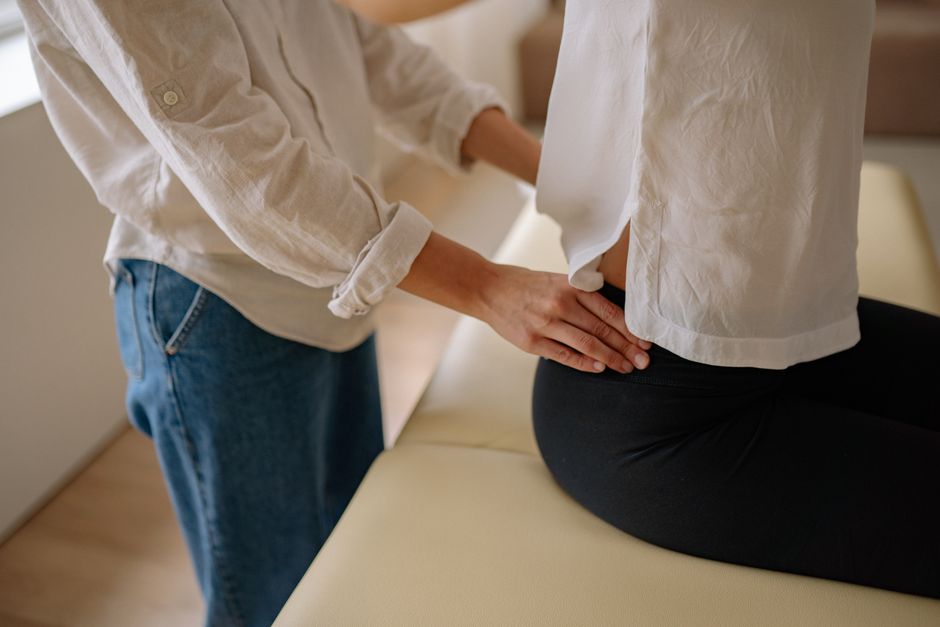
Don’t just Google your symptoms. Visit a women’s health physiotherapist in one of Mangaluru’s reputable hospitals. They can provide a biofeedback assessment to tell you exactly how strong (or weak) your perineal muscles are.
2. The Power of Kegels (Done Right!)
Most women have heard of Kegels, but many do them incorrectly. It’s not just about “squeezing.” It’s about a lift-and-hold motion. Imagine you are trying to pick up a marble with your pelvic muscles and pull it upward toward your belly button.
- Consistency is key: Do them while waiting for the bus or while your tea is brewing.
- Quality over quantity: Five perfect contractions are better than fifty sloppy ones.
3. Mindful Movement
When you lift your child or a heavy bucket of water, remember to “exhale on the exert.” This reduces the internal pressure on your bladder. Engaging your “deep core” along with your pelvic floor creates a shield of protection.
4. Hydration and Diet
Ironically, many women stop drinking water to avoid leaks. This leads to concentrated urine, which irritates the bladder and makes the urge to go even worse. Stay hydrated, but avoid excessive caffeine (yes, that extra cup of filter coffee might be irritating your bladder!).
The Road Ahead for Women in Mangaluru
The focus on perineal muscle strength as a predictor of stress urinary incontinence among young parous women in Mangaluru India is a sign of progress. It means we are finally looking at women’s health holistically. We are moving away from “just deal with it” to “let’s fix it.”
If you are a young mother, know that your body has done something incredible. It has grown and birthed a human being. It deserves care, recovery, and strength. You wouldn’t expect to run a marathon without training your legs; don’t expect your pelvic floor to recover from childbirth without a little help and exercise.
Key Takeaways
- SUI is Common but Not Normal: Leaking when you laugh or sneeze is a sign of muscle weakness, not an inevitable part of aging.
- Early Prediction Matters: Measuring perineal muscle strength early can help prevent long-term complications.
- Mangaluru Resources: We are blessed with excellent healthcare; use it to seek professional pelvic floor physical therapy.
- Exercise Works: Targeted pelvic floor exercises (Kegels) are highly effective when performed correctly and consistently.
- Break the Taboo: Talking about pelvic health reduces the stigma and encourages more women to seek help.
Frequently Asked Questions (FAQ)
1. Can I have SUI even if I had a C-section?
Yes. While vaginal delivery is a major factor, the weight of the baby during nine months of pregnancy also puts significant strain on the perineal muscles. The hormonal changes during pregnancy also loosen the ligaments, affecting muscle support.
2. How long does it take to see results from pelvic floor exercises?
Most women notice a significant improvement within 8 to 12 weeks of consistent, daily exercise. However, it’s important to keep them up as a lifelong habit.
3. Is surgery the only option for Stress Urinary Incontinence?
Absolutely not! Surgery is usually a last resort. For many young women, conservative treatments like pelvic floor muscle training (PFMT), lifestyle changes, and physiotherapy are incredibly successful.
4. Where can I find help in Mangaluru?
Most major hospitals in Mangaluru (like KMC, Father Muller, or AJ Hospital) have specialized OB-GYN and Physiotherapy departments that focus on postpartum rehabilitation.
5. Does weight loss help with bladder leaks?
Yes. Reducing excess weight lowers the constant “downward” pressure on your pelvic floor muscles, making it easier for them to do their job of keeping the bladder closed.
Final Thought: Your health is the foundation of your family’s happiness. Don’t let a treatable condition hold you back from laughing, dancing, and enjoying everything Mangaluru has to offer.
Written with love and assistance and refined for quality.
🔗 Related: Research Shows This Supplement Can Help…
🔗 Related: Women with polycystic ovary syndrome exhibit…
🔗 Related: Perineal muscle strength as a predictor…
🔗 Related: Research Shows This Supplement Can Help…