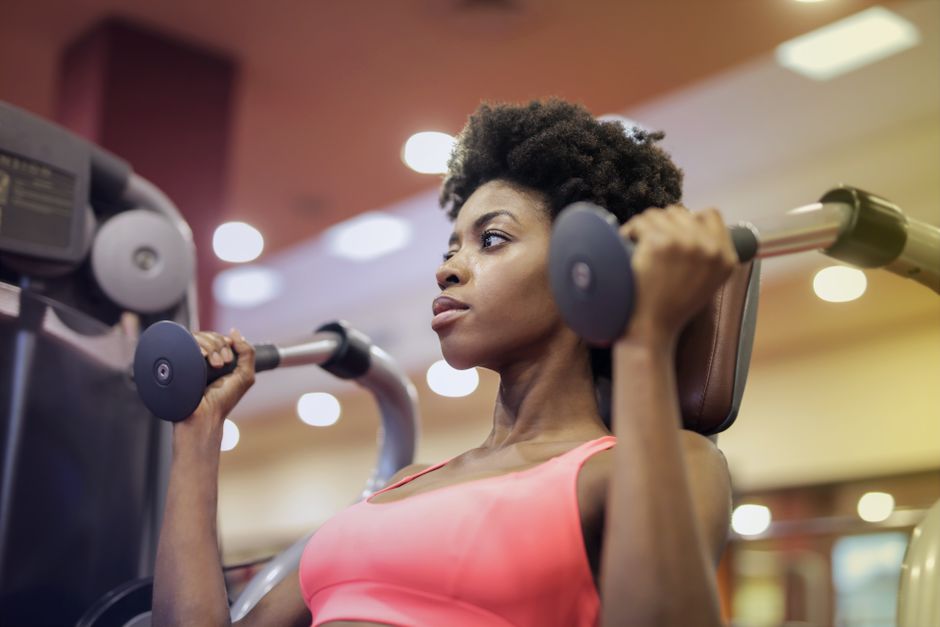
In this article, we’ll explore: Creatine for Women: Benefits Beyond Exercise and Muscle Building and why it matters today.
Related:
👉 Creatine for Women: Benefits Beyond Exercise and Muscle Building (Why Every Woman Needs It)
👉 Why Every Young Mom in Mangaluru Needs to Talk About Pelvic Health: Understanding Perineal Muscle Strength and Bladder Control
👉 Why Getting Pregnant with PCOS Can Be So Challenging: The New Science of Uterine Health
Learn more: Creatine for Women: Benefits Beyond Exercise and Muscle Building on Google Search
If you walk into any supplement store, you’ll likely see giant tubs of powder featuring photos of massive, vascular bodybuilders. For decades, the marketing around creatine has been loud, aggressive, and—let’s be honest—very male-oriented. It’s no wonder that many women see the word “creatine” and immediately think of “bulking up” or “becoming a gym rat.”
But what if I told you that creatine is one of the most researched, safe, and effective supplements on the planet, and its biggest benefits for women have almost nothing to do with lifting heavy weights? While it’s true that it helps with muscle recovery, the real magic of Creatine for Women: Benefits Beyond Exercise and Muscle Building lies in how it supports our brains, our moods, and our long-term health.
Whether you’re a busy professional trying to beat brain fog, a mom juggling a million tasks, or someone navigating the hormonal shifts of menopause, creatine might just be the missing piece of your wellness puzzle. Let’s dive into why this “bodybuilder supplement” belongs in your morning smoothie.
What Exactly Is Creatine, Anyway?
Before we talk about the benefits, let’s clear up the mystery. Creatine is not a steroid. It’s not a magic chemical made in a lab. It is a naturally occurring compound found in your muscle cells and your brain. Your body actually makes it every day, and you get it from foods like red meat and fish.
Think of creatine as a backup battery. When your body needs a quick burst of energy—whether that’s sprinting for a bus or trying to remember a complex password—it uses a molecule called ATP. Creatine helps your body “recharge” that ATP battery faster.
Here’s the catch: women naturally have lower stores of creatine in their bodies compared to men. We also tend to consume less of it in our diets. This means we actually have more to gain from supplementing with it than men do.
The Brain Power Boost: Fighting Fog and Fatigue
We’ve all been there. It’s 3:00 PM, you’ve had your coffee, but your brain feels like it’s stuck in a thick cloud. You’re reading the same email over and over, and nothing is clicking. This is where creatine shines.
Your brain is an energy hog. Even though it only makes up about 2% of your body weight, it consumes about 20% of your daily energy. Research has shown that when you supplement with creatine, you’re essentially giving your brain an extra energy reserve.
Improving Memory and Processing Speed
Studies have indicated that creatine supplementation can improve short-term memory and reasoning. In tasks that require quick thinking, people taking creatine often perform better than those who don’t. For women managing careers, households, and social lives, that extra “mental sharpness” is a game-changer.
The Sleep Deprivation Savior
Let’s talk about Sarah. Sarah is a 34-year-old marketing manager with a toddler who still doesn’t sleep through the night. Sarah is chronically exhausted. While creatine won’t replace a full night’s sleep, research suggests it can help mitigate the cognitive “crash” that comes with sleep deprivation. It helps the brain maintain its function even when you’re running on fumes.
Mood and Mental Health: A Natural Support System
One of the most exciting areas of research regarding Creatine for Women: Benefits Beyond Exercise and Muscle Building is its impact on mental health. There is a growing body of evidence suggesting a link between low creatine levels and higher rates of depression and anxiety.
Because women undergo significant hormonal shifts throughout their lives—puberty, pregnancy, postpartum, and menopause—our brain chemistry is constantly being challenged. These shifts can affect how our brains process energy.
- Depression Support: Some clinical trials have shown that when women take creatine alongside their prescribed antidepressants, they see faster and more significant improvements in their symptoms compared to those taking antidepressants alone.
- Anxiety and Stress: By stabilizing brain energy levels, creatine may help the brain stay “calmer” under stress, preventing that feeling of being completely overwhelmed by small tasks.
Navigating the “Change”: Creatine and Menopause
If you are approaching or currently in menopause, creatine might be your new best friend. As estrogen levels drop, women face several challenges: loss of bone density, loss of muscle mass (sarcopenia), and increased brain fog.
Protecting Your Bones
We often hear about calcium and Vitamin D for bone health, but creatine plays a role too. When combined with even light activity (like walking or yoga), creatine helps stimulate the cells responsible for bone formation. This is crucial for preventing osteoporosis later in life.
Managing “Menopause Brain”
Many women report feeling like they are “losing their minds” during perimenopause due to forgetfulness and lack of focus. Since estrogen helps regulate brain energy, the drop in estrogen creates an energy gap. Creatine helps bridge that gap, providing a steady supply of fuel to the brain when hormones are wonky.
Radiant Skin and Aging Gracefully
Believe it or not, creatine is starting to show up in high-end skincare products, and for good reason. It plays a role in cellular repair and hydration. While taking it as a supplement is different from rubbing it on your face, the internal benefits are clear. By supporting cellular energy, creatine helps your body repair tissues more efficiently. It helps your cells stay hydrated, which is the foundation of a healthy, glowing complexion as we age.
Real-World Example: Elena’s Story
Elena, a 52-year-old teacher, didn’t care about “gains” at the gym. She started taking 3 to 5 grams of creatine daily after hearing a podcast about cognitive health.
“I used to get home from school and feel completely drained—not just physically, but mentally. I couldn’t even decide what to cook for dinner,” Elena says. “After about three weeks of taking creatine, I noticed a subtle shift. I wasn’t ‘wired’ like I was on caffeine; I just felt more… capable. The afternoon slump wasn’t as deep, and I felt more present in my conversations.”
Common Myths: Let’s Set the Record Straight
Despite the science, many women are still hesitant. Let’s address the three biggest concerns:
“Will I get bulky?”
No. Women do not have the testosterone levels required to build massive muscle just by taking a supplement. Creatine simply helps your muscles work more efficiently. If you don’t lift heavy weights, you won’t grow large muscles. You’ll just have more energy.
“Will I bloat?”
In the first week, some people experience slight water retention because creatine pulls water into the muscle cells (where it’s needed). However, this isn’t the “puffy” bloat you get from salty food or your period. It usually subsides within a week or two, and most women don’t notice it at all if they stick to a standard 3-5 gram dose rather than “loading” with 20 grams.
“Is it bad for my kidneys?”
For healthy individuals, dozens of studies have proven that creatine is safe for the kidneys. If you have pre-existing kidney disease, you should always talk to your doctor first, but for the general population, it is one of the safest supplements available.
How to Start Using Creatine
Getting started is incredibly simple. You don’t need fancy “Creatine for Her” pink-labeled products, which are often just overpriced versions of the standard stuff.
- Choose Creatine Monohydrate: This is the most researched and cheapest form. It works perfectly.
- The Dosage: 3 to 5 grams per day is the sweet spot. You don’t need a “loading phase.” Just take one small scoop every day.
- Consistency is Key: Creatine works by building up in your system over time. It doesn’t matter what time of day you take it, as long as you take it every day.
- Mix it in anything: It’s virtually tasteless. Toss it in your coffee, tea, smoothie, or just a glass of water.
Key Takeaways
- Creatine is for everyone: It’s not just for bodybuilders; it’s a foundational supplement for female health.
- Cognitive Support: It acts as a “brain battery,” improving memory, focus, and mental clarity.
- Mental Health: It may help manage symptoms of depression and anxiety by stabilizing brain energy.
- Hormonal Help: It is particularly beneficial during the menstrual cycle and menopause to combat fatigue and bone loss.
- Safety: It is one of the most studied supplements in history and is safe for long-term use.
Frequently Asked Questions
Does creatine cause hair loss in women?
There is no scientific evidence that creatine causes hair loss. This myth started from a single study on male rugby players that showed an increase in a hormone called DHT, but it has never been replicated, and no study has ever shown hair loss in women.
Can I take creatine if I don’t exercise?
Absolutely! While it’s great for exercise, the cognitive and cellular benefits of Creatine for Women: Benefits Beyond Exercise and Muscle Building apply even if your only “workout” is chasing kids or walking the dog.
Should I take it on my period?
Yes. Many women find that it actually helps with the lethargy and “brain fog” that often accompanies the menstrual cycle. Since your body’s creatine levels can fluctuate with your hormones, staying consistent is very helpful.
How long does it take to see results?
For brain health and energy, most women notice a difference within 2 to 4 weeks of consistent daily use. It’s a subtle, cumulative effect rather than an instant “jolt.”
In the end, creatine is about more than just muscle. It’s about resilience. It’s about giving your body and brain the fuel they need to handle the demands of modern life. So, the next time you see that big tub of powder, don’t walk past it. It might be exactly what you need to feel like the best version of yourself.
Written with love and assistance and refined for quality.
🔗 Related: Women with polycystic ovary syndrome exhibit…
🔗 Related: BcozSheMatters: WHO Health Ministry roll out…
🔗 Related: A perfect storm for bone loss…
🔗 Related: Perineal muscle strength as a predictor…