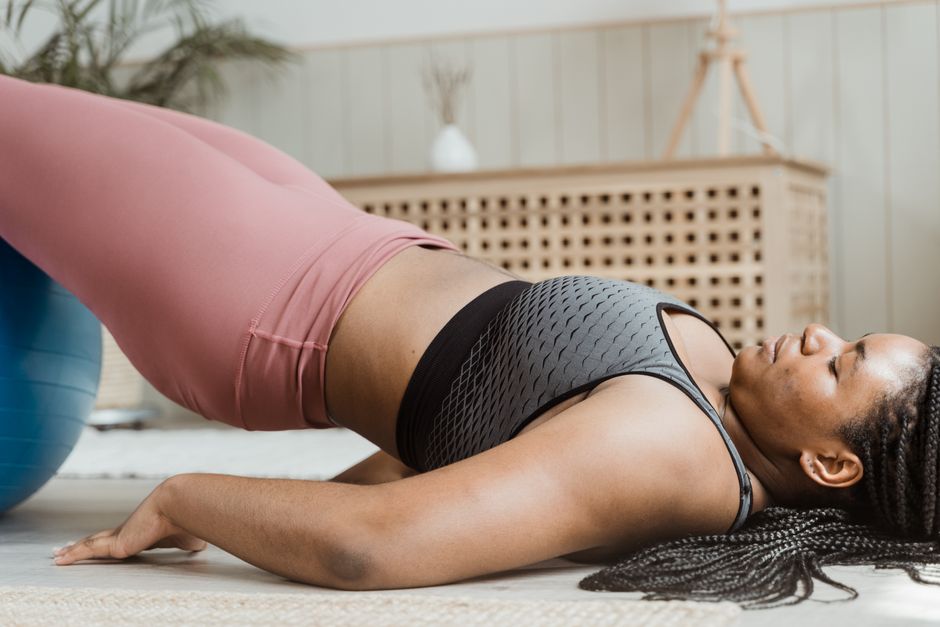
In this article, we’ll explore: Perineal muscle strength as a predictor of stress urinary incontinence among young parous women in Mangaluru India and why it matters today.
Related:
👉 The Silent Struggle: Why We Must End Period Poverty Once and for All
👉 Why Getting Pregnant with PCOS is Harder Than You Think: The Science of Histone Lactylation
👉 Creatine for Women: Benefits Beyond Exercise and Muscle Building — Why It’s Your New Secret Weapon
Imagine you’re enjoying a sunny afternoon at Panambur Beach with your family. Your toddler is chasing a crab, you’re laughing at their antics, and suddenly—it happens. A tiny, involuntary leak. You freeze, your heart sinks, and the laughter stops. For many young mothers in Mangaluru, this isn’t just a random accident; it’s a daily reality that they often suffer in silence.
In the medical world, we call this Stress Urinary Incontinence (SUI). But for the women living through it, it’s a source of embarrassment, anxiety, and a quiet withdrawal from the activities they love. Today, we’re diving deep into a topic that deserves more sunlight: perineal muscle strength as a predictor of stress urinary incontinence among young parous women in Mangaluru India.
By understanding how our bodies change after childbirth and why muscle strength is the ultimate predictor of bladder control, we can move from “dealing with it” to actually fixing it.
What Exactly is Stress Urinary Incontinence (SUI)?
Before we get into the specifics of the Mangaluru study, let’s clear up what SUI actually is. It isn’t about being “stressed” mentally (though it certainly causes mental stress!). Instead, “stress” refers to physical pressure. When you cough, sneeze, jump, or lift something heavy, you put pressure on your bladder.
If the muscles that support your bladder—the pelvic floor and perineal muscles—are strong, they act like a sturdy trampoline, keeping everything in place. If they are weak, that pressure forces a small amount of urine out. It’s incredibly common among “parous” women—a fancy medical term for women who have given birth.
The “Hammock” Analogy
Think of your pelvic floor and perineal muscles as a supportive hammock. This hammock holds your bladder, uterus, and bowels. During pregnancy, that hammock carries a lot of extra weight for nine months. Then, during childbirth, those muscles are stretched to their absolute limit. In many cases, the hammock loses its “bounce,” leading to the symptoms of SUI.
The Mangaluru Context: Why This Study Matters
Mangaluru is a unique blend of traditional values and modern living. From the bustling streets of Hampankatta to the quiet suburbs of Bejai, young women here are balancing careers, household management, and motherhood. However, despite the high literacy rates and excellent healthcare facilities in coastal Karnataka, pelvic health remains a bit of a “taboo” subject.
Recent research focusing on perineal muscle strength as a predictor of stress urinary incontinence among young parous women in Mangaluru India has shed light on a significant trend. Many young mothers in the region—often in their late 20s or early 30s—are experiencing SUI but assume it’s a “normal” part of having a baby. Spoiler alert: It’s common, but it’s not normal, and you don’t have to live with it.
The Local Factors
- Lifestyle and Diet: The coastal diet is rich and nutritious, but physical activity levels can vary greatly after childbirth.
- Cultural Silence: Many women in Mangaluru feel shy discussing “down there” issues with their doctors, leading to underreporting.
- Postpartum Care: While traditional 40-day postpartum care (like “Suthika Paricharya”) is common, it often focuses on general recovery rather than specific pelvic floor rehabilitation.
Meet Ananya: A Story of Resilience
To put this into perspective, let’s talk about Ananya (name changed), a 29-year-old software engineer living in Surathkal. After her second child was born, Ananya noticed she couldn’t join her friends for their weekly badminton sessions at the local club. Every time she lunged for the shuttlecock, she leaked.
“I felt like my body had betrayed me,” she shared. “I was young, I was healthy, but I was wearing pads every day just in case I laughed too hard.”
Ananya eventually visited a specialist in Mangaluru who assessed her perineal muscle strength. It turned out her “hammock” was severely weakened. By identifying this low muscle strength as the primary predictor of her SUI, her physiotherapist was able to create a targeted plan. Within three months, Ananya was back on the court, leak-free.
Why Perineal Muscle Strength is the Key Predictor
Why do researchers focus specifically on perineal muscle strength as a predictor of stress urinary incontinence among young parous women in Mangaluru India? Because it is the most reliable “early warning system” we have.
1. The Mechanical Support
The perineal muscles are part of the external layer of the pelvic floor. They provide the final “squeeze” that keeps the urethra closed when internal pressure rises. If these muscles are weak, no amount of willpower can stop a leak.
2. Measuring Strength
In clinical settings in Mangaluru, doctors use various methods to measure this strength, such as digital palpation (the Oxford Scale) or perineometers. By quantifying how much force these muscles can generate, healthcare providers can predict with high accuracy who is at risk for chronic SUI.
3. Early Intervention
If we know that low muscle strength predicts SUI, we can intervene early. For a young mother in Mangaluru, this might mean starting pelvic floor physical therapy just weeks after delivery, rather than waiting years until the problem becomes severe.
Breaking Down the Findings: What the Research Tells Us
Studies conducted among the population in Mangaluru have highlighted several key findings regarding perineal health:
- Parity Matters: Women who have had multiple vaginal deliveries show a more significant decrease in perineal muscle strength compared to those who had one.
- The “Young” Factor: SUI isn’t just for the elderly. A surprising number of women under 35 in Mangaluru show clinical signs of muscle weakness.
- Predictive Power: There is a direct, statistically significant correlation between low perineal pressure readings and the frequency of SUI episodes.
How to Improve Your Perineal Strength
If you suspect you’re struggling with SUI, the first step is knowing that help is available. You don’t need to go to Bengaluru or Mumbai; Mangaluru has some of the best urogynecologists and pelvic floor physiotherapists in the country.
The Power of Kegels
You’ve likely heard of Kegels, but doing them correctly is vital. It’s not just about “squeezing”; it’s about a lift-and-hold motion. Imagine you are trying to pick up a marble with your pelvic muscles and pull it up toward your belly button.
Professional Physiotherapy
In Mangaluru, specialized clinics offer biofeedback and electrical stimulation. These technologies help you “see” your muscles working on a screen, which is incredibly helpful if you’ve lost the mind-muscle connection after a difficult birth.
Lifestyle Tweaks
- Manage Constipation: Straining on the toilet puts immense pressure on your perineal muscles. Eat plenty of local fiber-rich foods like red rice and vegetables.
- Watch the Weight: Excess weight adds to the “stress” on the bladder.
- Hydrate Wisely: Don’t stop drinking water to avoid leaks! This can lead to UTIs. Instead, sip consistently throughout the day.
Key Takeaways for Young Mothers
If you take nothing else away from this article, remember these points:
- It’s Not Just You: Many women in your community are facing the same challenge.
- Strength is a Predictor: Your muscle strength today predicts your bladder health tomorrow.
- Prevention is Possible: Strengthening the perineal muscles can significantly reduce or even eliminate SUI symptoms.
- Seek Local Help: Mangaluru’s medical community is well-equipped to handle pelvic health issues with sensitivity and expertise.
FAQ: Your Questions Answered
1. Is leaking after pregnancy always permanent?
No! While many women experience SUI after childbirth, it is often treatable through muscle rehabilitation. It only becomes “permanent” if the underlying muscle weakness is ignored.
2. Does a C-section prevent SUI?
Not necessarily. While vaginal delivery involves direct stretching of the perineal muscles, the pregnancy itself (carrying the weight of the baby) can weaken the pelvic floor. Many women who have C-sections still experience SUI.
3. How long does it take to see results from exercises?
Consistency is key. Most women notice a significant improvement in their perineal muscle strength and a reduction in SUI symptoms within 8 to 12 weeks of regular, correctly performed exercises.
4. Where can I get help in Mangaluru?
Most major hospitals in Mangaluru (like KMC, Father Muller, or AJ Hospital) have excellent OB-GYN departments and physiotherapy units that specialize in women’s health.
Conclusion
The research on perineal muscle strength as a predictor of stress urinary incontinence among young parous women in Mangaluru India isn’t just about data and statistics. It’s about the quality of life for the women who are the backbone of our society. By acknowledging the importance of pelvic health and taking proactive steps to strengthen our bodies, we can ensure that motherhood doesn’t come at the cost of our confidence or comfort.
So, the next time you’re at the beach, or a wedding at a local hall, or just playing with your kids—don’t let the fear of a leak hold you back. Your strength is your power. Let’s start rebuilding it today.
Written with love and assistance and refined for quality.
🔗 Related: Creatine for Women: Benefits Beyond Exercise…
🔗 Related: BcozSheMatters: WHO Health Ministry roll out…
🔗 Related: Perineal muscle strength as a predictor…