In this article, we’ll explore: BcozSheMatters: WHO Health Ministry roll out campaign on women and girls health and well-being and why it matters today.
Related:
👉 Why Young Moms in Mangaluru Shouldn’t Ignore That "Little Leak": Understanding Perineal Strength and SUI
👉 BcozSheMatters: Why the WHO and Health Ministry’s New Campaign is a Game-Changer for Women
👉 Why PCOS Makes Pregnancy Tough: New Science on Uterine Receptivity and Histone Lactylation
Imagine a small village where a young mother named Anjali lives. Every morning, she wakes up before the sun, prepares meals for her family, gets her children ready for school, and then heads out to work in the fields. By the time the stars are out, she is exhausted. When she feels a persistent ache in her chest or a nagging fatigue that won’t go away, she brushes it off. “I don’t have time to be sick,” she tells herself. “The family needs me.”
Anjali’s story isn’t unique. It is the story of millions of women across the globe who consistently put their own health on the back burner to care for everyone else. But what happens when the backbone of the family starts to weaken? The answer is simple: the whole structure suffers. Recognizing this critical gap, a powerful new movement has taken center stage. The BcozSheMatters: WHO Health Ministry roll out campaign on women and girls health and well-being is more than just a tagline; it is a global call to action to prioritize the people who often prioritize everyone but themselves.
What is the BcozSheMatters Campaign All About?
The “BcozSheMatters” initiative is a collaborative effort between the World Health Organization (WHO) and various national Health Ministries. Its primary goal is to bridge the healthcare gap that has historically left women and girls underserved. For too long, “women’s health” was a term limited strictly to reproductive issues. While maternal health is vital, this campaign recognizes that a woman is more than her ability to bear children.
This campaign takes a “life-course approach.” This means looking at a girl’s health from the moment she is born, through adolescence, her reproductive years, and into her senior years. It’s about ensuring that at every stage of her life, she has the resources, education, and medical support she needs to thrive.
By rolling out this campaign, the WHO and Health Ministries are sending a clear message: A society is only as healthy as its women. When we invest in a woman’s well-being, we are investing in the health of her children, the stability of her household, and the economic productivity of her community.
The Core Pillars of the Campaign
The BcozSheMatters: WHO Health Ministry roll out campaign on women and girls health and well-being isn’t just a series of posters in hospitals. It is a multi-faceted strategy built on several key pillars:
1. Maternal and Reproductive Health Excellence
While the campaign expands beyond reproduction, maternal health remains a cornerstone. In many parts of the world, giving birth is still a life-threatening event. The initiative aims to provide better access to prenatal care, skilled birth attendants, and emergency obstetric services. It’s about making sure no mother loses her life while bringing a new one into the world.
2. Mental Health and Emotional Well-being
Society often expects women to be “strong” and “resilient,” which frequently leads to suppressed emotions and untreated mental health issues. Postpartum depression, anxiety, and the stress of balancing domestic and professional roles take a heavy toll. This campaign seeks to destigmatize mental health struggles and provide accessible counseling and support systems specifically tailored for women.
3. Nutrition and Preventive Care
Did you know that women are more likely to suffer from anemia and nutritional deficiencies? This is often because, in many cultures, women eat last and eat the least. The campaign focuses on nutritional education and preventive screenings for non-communicable diseases like breast cancer, cervical cancer, and heart disease.
4. Menstrual Hygiene and Adolescent Health
For young girls, the transition into womanhood can be daunting. In many regions, a lack of sanitary products and clean facilities leads to girls dropping out of school. The BcozSheMatters initiative works to provide “dignity kits” and education to ensure that a natural biological process doesn’t stop a girl from achieving her dreams.
Real-World Impact: Meet Sarah
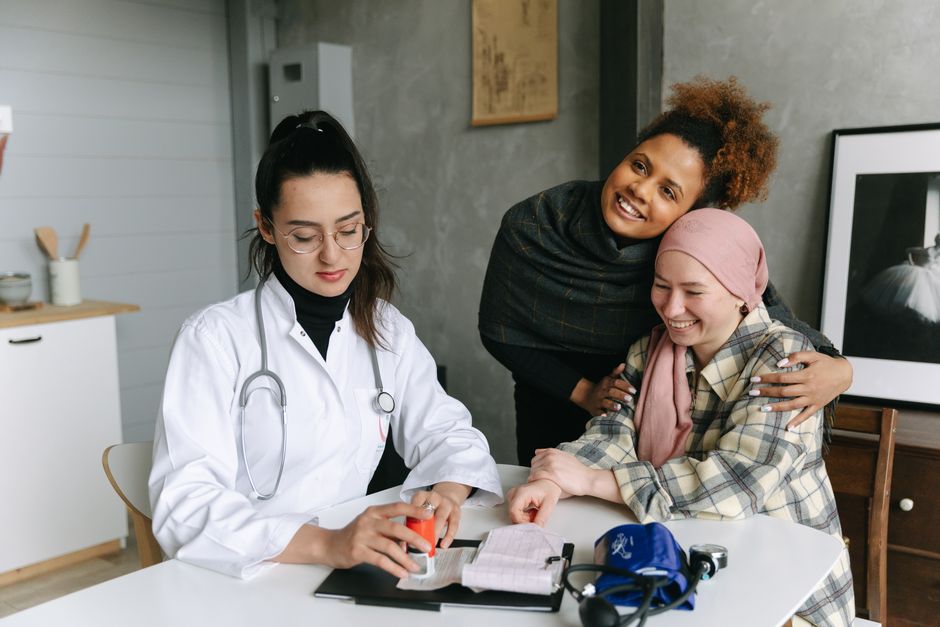
To understand the weight of this campaign, let’s look at Sarah, a 45-year-old woman living in an urban suburb. Sarah had been feeling unusually tired for months. She assumed it was just “age” or “stress.” Because of a local outreach program under the #BcozSheMatters banner, a mobile health clinic visited her neighborhood.
The clinic offered free blood pressure checks and glucose screenings. Sarah decided to go, mostly because her neighbor dragged her along. The results showed she was in the early stages of Type 2 diabetes. Because she caught it early through a campaign-sponsored screening, Sarah was able to manage her condition through diet and minor lifestyle changes. Without that campaign, she might have waited until a major health crisis occurred. This is the “BcozSheMatters” effect in action—preventing tragedies before they happen.
Breaking the Barriers: Why This Campaign is Necessary
You might wonder, “Why do we need a specific campaign for women? Isn’t healthcare for everyone?” While that sounds good in theory, the reality is different. Several barriers prevent women from accessing quality care:
- Financial Dependency: In many households, women do not control the finances, making it difficult for them to pay for check-ups or medication.
- Lack of Transport: In rural areas, health centers are often miles away. Without reliable transport, women find it nearly impossible to visit a doctor.
- Cultural Taboos: Issues like menstruation, sexual health, and even menopause are often shrouded in shame, preventing women from seeking help.
- Time Poverty: Women perform the bulk of unpaid care work. Between chores and caregiving, they literally “don’t have time” to be patients.
The BcozSheMatters: WHO Health Ministry roll out campaign on women and girls health and well-being addresses these barriers head-on by bringing healthcare to the doorstep and educating families on the importance of prioritizing the health of wives, daughters, and mothers.
How Technology is Powering the Movement
We live in a digital age, and the WHO is leveraging this to make the campaign more effective. Telemedicine is a huge part of the rollout. For a woman who cannot leave her home because she is caring for an elderly relative, a video call with a doctor can be a lifesaver.
Furthermore, mobile apps are being developed to track menstrual cycles, provide pregnancy tips, and offer mental health support at the touch of a button. By using technology, the campaign ensures that even the most isolated women have a lifeline to professional medical advice.
Key Takeaways from the #BcozSheMatters Initiative
- Holistic Care: It’s not just about physical health; mental and emotional well-being are equally prioritized.
- Life-Long Support: The campaign covers every stage of life, from childhood to old age.
- Community Focused: It encourages men and community leaders to support the health of women in their lives.
- Prevention over Cure: There is a massive emphasis on early screening and nutritional education.
- Empowerment through Knowledge: Educating women about their own bodies helps them make informed health decisions.
The Role of the Community: What Can You Do?
The Health Ministry and the WHO can provide the framework, but the success of the “BcozSheMatters” campaign depends on us. Changing the narrative starts at home. It starts by encouraging your sister to go for her check-up, by ensuring your daughter has the nutrition she needs, and by recognizing that a mother’s rest is not a luxury—it’s a necessity.
If you see a local health camp being organized, spread the word. If you find reliable health information online, share it with the women in your life who might not have access to it. We are all stakeholders in this mission.
Conclusion: A Healthier Future for All
The BcozSheMatters: WHO Health Ministry roll out campaign on women and girls health and well-being is a beacon of hope. It acknowledges that for too long, the health of half the world’s population has been treated as a secondary concern. By placing women and girls at the center of the healthcare conversation, we aren’t just helping individuals; we are strengthening the very fabric of our global society.
When Anjali from our story finally visits a community clinic because of this campaign, she isn’t just getting a check-up. She is gaining the strength to continue being the pillar of her family. She is learning that her life has value, not just because of what she does for others, but because of who she is. Because she matters. And when she thrives, we all thrive.
Frequently Asked Questions (FAQ)
1. Who is eligible for the services under the BcozSheMatters campaign?
The campaign is designed to reach all women and girls, regardless of their age, socio-economic status, or location. While it has a special focus on underserved and rural communities, the resources and education provided are for everyone.
2. Is this campaign only about pregnancy and childbirth?
No. While maternal health is a major part, the campaign also focuses on mental health, nutrition, non-communicable diseases (like cancer and diabetes), menstrual hygiene, and the health needs of elderly women.
3. How can I find BcozSheMatters events in my area?
You can check the official website of your national Health Ministry or the local WHO regional office. Many updates are also shared via community centers and social media using the hashtag #BcozSheMatters.
4. Does the campaign involve men?
Absolutely. The campaign encourages men to be “Health Allies.” It educates men on why supporting the health of the women in their families leads to a more prosperous and happy household.
5. Are the screenings and check-ups free?
In many regions, the Health Ministry is partnering with local clinics to provide free or highly subsidized screenings as part of the campaign rollout to ensure that financial status is not a barrier to care.
Written with love and assistance and refined for quality.
🔗 Related: A perfect storm for bone loss…
🔗 Related: Period poverty: A global menstrual health…