
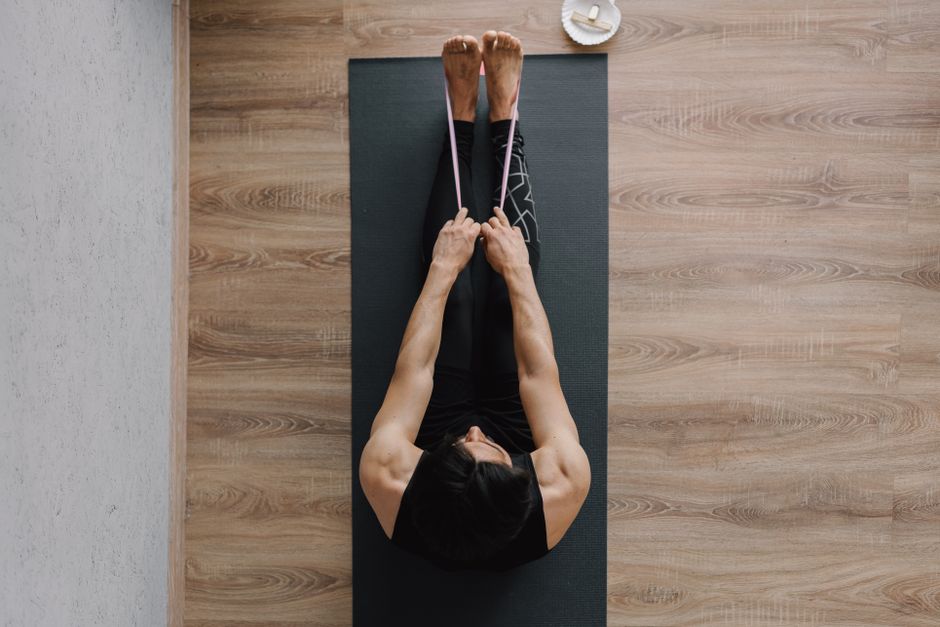
In this article, we’ll explore: Perineal muscle strength as a predictor of stress urinary incontinence among young parous women in Mangaluru India and why it matters today.
Related:
👉 She Was Out to Change the World and She Said So: The Death of Feminist Leader Gloria Steinem Reminds Us of What Is at Stake
👉 I Feel More Comfortable Asking Questions: How We Worked With Mosques to Talk With Muslim Women About Reproductive Health
👉 Understanding Perineal Muscle Strength as a Predictor of Stress Urinary Incontinence Among Young Parous Women in Mangaluru, India
If you’ve ever lived in or visited the beautiful coastal city of Mangaluru, you know the vibe. Between the spicy aroma of Ghee Roast, the humid breeze from the Arabian Sea, and the bustling energy of Hampankatta, life moves fast. But for many young mothers in our community, there is a quiet, hidden struggle that often goes unmentioned during Sunday family brunches or morning walks at Kadri Park.
It’s the sudden, embarrassing leak when you laugh at a joke, sneeze because of the monsoon dampness, or lift your toddler. This is Stress Urinary Incontinence (SUI), and it is far more common than most women realize. Specifically, recent health insights have pointed toward perineal muscle strength as a predictor of stress urinary incontinence among young parous women in Mangaluru India, and it’s time we broke the silence on this topic.
The “Oops” Moment: What is Stress Urinary Incontinence?
First, let’s clear up a common misconception. “Stress” urinary incontinence has nothing to do with your mental stress levels (though dealing with it can certainly be stressful!). Instead, it refers to physical pressure—or stress—placed on your bladder.
When you cough, jump, or run, your intra-abdominal pressure increases. Normally, your pelvic floor muscles (the perineal muscles) act like a sturdy hammock, keeping the urethra closed so nothing leaks out. However, when those muscles are weakened—often due to pregnancy and childbirth—that “hammock” sags. The result? An accidental leak.
For young “parous” women (women who have given birth), this isn’t just a minor inconvenience; it’s a quality-of-life issue. In a city like Mangaluru, where social life and outdoor activity are central to our culture, SUI can make women withdraw from the things they love.
Meet Anjali: A Story from the Heart of Mangaluru
To understand why this matters, let’s look at Anjali. Anjali is 28, lives in Bejai, and has a beautiful two-year-old son. Before her pregnancy, she was a regular at the local gym and loved playing badminton. After her son was born, she noticed something changed. Every time she tried to return to the court, a small sneeze or a quick sprint would lead to a “leak.”
Like many women in India, Anjali felt ashamed. She thought it was just a “normal” part of being a mother. She stopped playing badminton, started wearing pads “just in case,” and avoided drinking water before going out. What Anjali didn’t realize was that her perineal muscle strength as a predictor of stress urinary incontinence among young parous women in Mangaluru India was something that could be measured, predicted, and most importantly, treated.
The Science: Why Perineal Muscle Strength is the Ultimate Predictor
Why do some women experience SUI while others don’t? It often comes down to the integrity of the perineal muscles. These muscles form the base of the pelvic floor. During vaginal delivery, these muscles undergo significant stretching. In some cases, they don’t fully “bounce back” to their original strength.
The Mangaluru Context
Research focusing on the coastal Karnataka region has shown that lifestyle, physical activity levels, and even local dietary habits can play a role in how a woman’s body recovers post-delivery. In Mangaluru, many young women balance traditional roles with high-pressure corporate jobs or academic pursuits. This busy lifestyle often means that postpartum rehabilitation—specifically pelvic floor exercises—falls to the bottom of the priority list.
By measuring perineal muscle strength early on, healthcare providers can actually predict who is most at risk for developing chronic SUI. It’s not just about whether you leak today; it’s about how those muscles will support you ten or twenty years down the line.
The Factors that Weaken the “Hammock”
Several factors contribute to why perineal muscle strength varies among young mothers in our region:
- Number of Pregnancies: Each pregnancy adds more weight and pressure on the pelvic floor.
- Type of Delivery: While SUI can happen after a C-section, vaginal deliveries (especially those involving long pushing stages) put more direct strain on the perineal muscles.
- Birth Weight: Delivering a larger baby (which is common in well-nourished coastal populations) can stretch the pelvic tissues further.
- Lack of Awareness: Many women in Mangaluru aren’t told about “Kegel” exercises or pelvic physiotherapy during their prenatal or postnatal checkups.
Breaking the Taboo in Coastal Karnataka
In many Indian households, talking about “down there” is considered taboo. Even in a highly educated hub like Mangaluru, women often feel that complaining about bladder issues makes them seem weak or “broken.”
However, the data is clear: perineal muscle strength as a predictor of stress urinary incontinence among young parous women in Mangaluru India is a clinical reality. When we treat it as a medical condition rather than a “shameful secret,” we empower women to seek help.
How is Muscle Strength Measured?
Doctors and specialized physiotherapists use various methods to check the strength of these muscles. This might include:
- Digital Palpation: A simple physical exam to check for muscle contraction.
- Perineometers: Small devices that measure the pressure exerted by the pelvic floor muscles.
- Biofeedback: Using sensors to see how well the muscles are working in real-time.
The Path to Recovery: It’s Not Just About Kegels
If you suspect your perineal muscles aren’t as strong as they used to be, don’t lose heart. The human body is incredibly resilient. Here’s how women in Mangaluru are taking back control:
1. Pelvic Floor Physiotherapy
Mangaluru is home to some of the best medical colleges and hospitals in India. Many of these institutions now offer specialized pelvic floor rehabilitation. This isn’t just “doing a few squeezes”; it’s a structured program designed to retrain your muscles.
2. The Right Way to “Kegel”
Most people do Kegels incorrectly by holding their breath or squeezing their buttock muscles. The key is to isolate the muscles you would use to stop the flow of urine (though you shouldn’t do this while actually peeing!).
3. Weight Management
In a land of delicious seafood and coconut-rich curries, maintaining a healthy weight can be a challenge. However, excess body weight puts constant “stress” on your pelvic floor. Managing your BMI can significantly reduce SUI symptoms.
4. Posture and Core Strength
Your pelvic floor doesn’t work in isolation. It works with your deep core and your breath. Yoga, which is widely practiced in our region, can be a fantastic way to strengthen the entire “container” of your torso.
Key Takeaways for Young Mothers
- It’s not “normal”: Leaking is common, but it is not a normal part of aging or motherhood that you have to live with.
- Strength is a Predictor: Low perineal muscle strength is a major warning sign for future SUI.
- Early Intervention is Key: The sooner you start strengthening exercises after birth (with your doctor’s okay), the better your outcomes.
- Mangaluru has Resources: Don’t hesitate to visit a gynecologist or a physical therapist in the city to discuss your pelvic health.
Conclusion: A Call to Action for Mangalurean Women
The study of perineal muscle strength as a predictor of stress urinary incontinence among young parous women in Mangaluru India isn’t just academic—it’s a roadmap to a better life. We need to stop whispering about these issues and start addressing them with the same importance we give to heart health or diabetes.
To the young moms in Mangaluru: you spend so much time caring for your little ones, your home, and your careers. It’s time to care for yourself. Strengthening your perineal muscles is an investment in your future freedom—the freedom to run, laugh, and enjoy life in our beautiful coastal city without fear.
Frequently Asked Questions (FAQ)
1. Does SUI only happen after a natural birth?
No. While vaginal delivery is a significant risk factor, the weight and hormonal changes of pregnancy itself can weaken the pelvic floor, meaning women who had C-sections can also experience SUI.
2. How long does it take to see results from pelvic exercises?
Consistency is key. Most women start to notice an improvement in their symptoms after 8 to 12 weeks of regular, correctly performed pelvic floor exercises.
3. Can young women in their 20s really have this problem?
Yes. The “young parous women” demographic (women in their 20s and 30s who have given birth) is one of the most common groups affected by SUI, specifically in urban areas like Mangaluru.
4. Is surgery the only option?
Absolutely not. Surgery is usually a last resort. For the vast majority of young women, conservative treatments like physiotherapy, lifestyle changes, and muscle strengthening are highly effective.
5. Where can I find help in Mangaluru?
Most major hospitals in the city (such as KMC, Father Muller, or AJ Hospital) have departments for Obstetrics and Gynecology as well as specialized Physiotherapy units that can help you assess your muscle strength.
Written with love and assistance and refined for quality.
🔗 Related: I feel more comfortable asking questions:…
🔗 Related: She was out to change the…
🔗 Related: Union Health Ministry rolls out Delhi…


Pingback: "I Feel More Comfortable Asking Questions": How We Worked with Mosques to Talk with Muslim Women About Reproductive Health