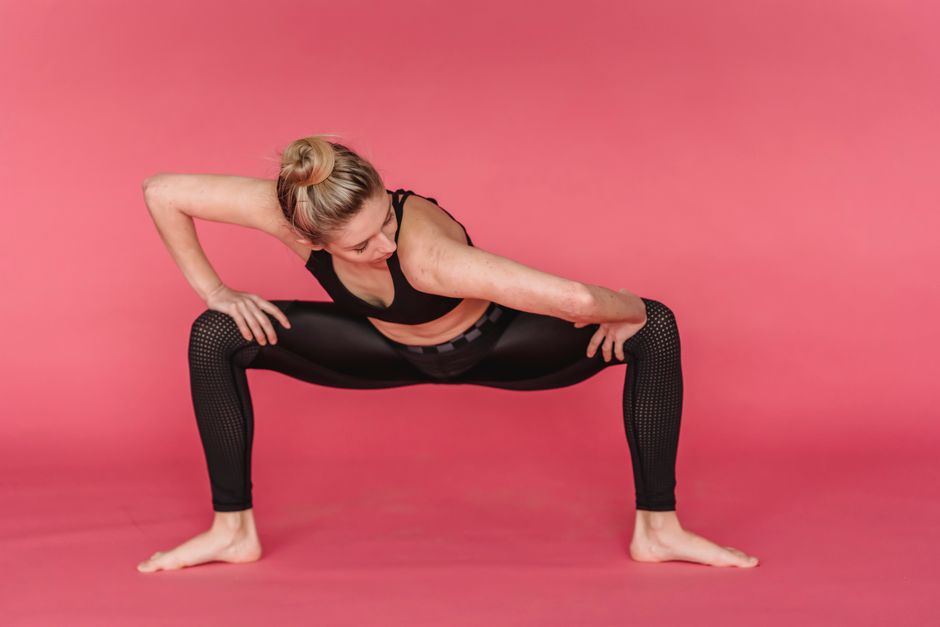
In this article, we’ll explore: Perineal muscle strength as a predictor of stress urinary incontinence among young parous women in Mangaluru India and why it matters today.
Related:
👉 Why You Should Run and Get an IUD or Implant Now and Tell a Friend
👉 Beyond the Taboo: Why Pelvic Strength Matters for Young Mothers in Mangaluru
👉 This US state is pushing to harness GPS technology to slow super speeders: How it works
Imagine you’re at a beautiful coastal wedding in Mangaluru. The air is thick with the scent of jasmine and the sound of laughter. You’re catching up with old friends, sharing a joke, and suddenly—you laugh a little too hard. In that split second, you feel it: a tiny, involuntary leak. Your heart sinks, and you immediately cross your legs, hoping no one noticed.
If this sounds familiar, you aren’t alone. For many young mothers in our vibrant city of Mangaluru, this “secret struggle” is a daily reality. It’s called Stress Urinary Incontinence (SUI), and while it’s incredibly common, it’s rarely discussed over tea or at the local park. But here’s the thing: understanding perineal muscle strength as a predictor of stress urinary incontinence among young parous women in Mangaluru India is the first step toward regaining your confidence and your life.
In this post, we’re going to dive deep into why this happens, what the research tells us about women in our region, and how you can take control of your pelvic health.
What Exactly is Stress Urinary Incontinence (SUI)?
Before we get into the science, let’s clear up a common misconception. Stress Urinary Incontinence isn’t about emotional stress (though it certainly causes plenty of it!). The “stress” refers to physical pressure on your bladder.
When you cough, sneeze, jump, or even lift your toddler, your abdominal pressure increases. Normally, your pelvic floor muscles—also known as perineal muscles—act like a strong, supportive hammock. They squeeze shut to keep urine in the bladder. However, when these muscles are weakened, that “hammock” sags, and the seal isn’t tight enough. The result? An accidental leak.
The “Trampoline” Analogy
Think of your pelvic floor like a trampoline. When it’s new and tight, you can bounce all day, and the mat stays firm. But after a lot of heavy use—or in the case of motherhood, the incredible physical journey of pregnancy and childbirth—the springs can lose their tension. If the trampoline mat is loose, it can’t support the weight anymore. That’s essentially what happens to the perineal muscles.
Why Young Moms in Mangaluru?
Mangaluru is a unique blend of traditional values and modern living. Our young women are doctors, engineers, homemakers, and entrepreneurs. But regardless of their career, the biological reality of “parous” women (women who have given birth) remains the same.
In Mangaluru, many women experience their first pregnancy in their early to late 20s or early 30s. This is a time when the body is generally resilient, yet the physical toll of carrying a baby for nine months and the subsequent delivery can significantly alter the pelvic anatomy.
Research focusing on perineal muscle strength as a predictor of stress urinary incontinence among young parous women in Mangaluru India suggests that we cannot ignore the local context. Factors like nutritional habits, lifestyle, and even the lack of postpartum rehabilitation awareness in local clinics contribute to the prevalence of SUI in our community.
The Science: Perineal Muscle Strength as a Predictor
You might wonder, “How do doctors know who is at risk?” The answer lies in measuring the strength of the perineal muscles. In clinical studies conducted right here in Karnataka, researchers have found a direct correlation between the “squeeze pressure” of these muscles and the likelihood of experiencing leaks.
How is Strength Measured?
Physiotherapists and specialists usually use two main methods:
- Digital Palpation: A trained professional uses a manual scale (often the Oxford Scale) to feel the strength and duration of a pelvic floor contraction.
- Perineometry: This involves a small device that measures the actual pressure (in mmHg) exerted by the vaginal muscles.
The findings are clear: lower perineal muscle strength is a highly accurate predictor of SUI. If your muscles measure below a certain threshold, the risk of leaking during a sneeze or a workout at the gym increases exponentially. For young parous women in Mangaluru, identifying this weakness early can prevent years of discomfort.
Real-Life Example: Ananya’s Story
Let’s look at Ananya (name changed), a 29-year-old software professional living in Bejai, Mangaluru. After her second child was born, Ananya noticed she couldn’t go for her usual morning walks at Kadri Park without wearing a heavy liner. She felt embarrassed to go to the local gym and stopped playing with her kids on the floor because she feared an “accident.”
Like many, Ananya thought this was just “part of being a mom.” It wasn’t until she visited a pelvic health specialist that she learned her perineal muscle strength was significantly lower than average for her age. By focusing on targeted pelvic floor rehabilitation, Ananya was able to “tighten the trampoline springs.” Within three months, she was back to jogging without a single worry.
Factors That Weaken the Perineal Muscles
Why do some women in Mangaluru struggle with this while others don’t? Several factors play a role:
1. The Mode of Delivery
While SUI can happen to women who had C-sections (due to the weight of the pregnancy itself), vaginal deliveries—especially those involving long pushing stages or the use of forceps—can stretch the perineal muscles and nerves significantly.
2. Multiple Pregnancies
Each subsequent pregnancy adds more “wear and tear” to the pelvic floor. This is why the study of perineal muscle strength as a predictor of stress urinary incontinence among young parous women in Mangaluru India is so vital for women planning for their second or third child.
3. Chronic Coughing or Constipation
In coastal areas, allergies can sometimes lead to chronic coughing. Additionally, a diet low in fiber can lead to straining during bowel movements. Both of these actions put repetitive, downward pressure on the pelvic floor, weakening it over time.
How to Improve Perineal Muscle Strength
The good news? The pelvic floor is made of muscle, and like any other muscle in your body, it can be strengthened! Here is how you can start:
- Correct Kegel Exercises: It’s not just about squeezing; it’s about the *lift*. Imagine you are trying to pick up a marble with your vaginal muscles and pull it up toward your belly button.
- Pelvic Floor Physiotherapy: Mangaluru is home to excellent hospitals and clinics. Seeking a specialist who can provide a personalized exercise plan is the “gold standard” for recovery.
- The “Knack” Technique: This is a simple trick where you intentionally squeeze your pelvic floor muscles *right before* you sneeze or cough to provide extra support.
- Maintain a Healthy Weight: Excess weight adds constant pressure to the pelvic floor, making it harder for the muscles to do their job.
Breaking the Silence in our Community
In many Mangalurean households, we talk about everything—from the price of fish at the Bunder to the latest gold rates. But we don’t talk about pelvic health. There is a stigma that makes women feel “broken” or “old” if they experience SUI.
We need to change the narrative. Understanding perineal muscle strength as a predictor of stress urinary incontinence among young parous women in Mangaluru India isn’t just a medical topic; it’s a quality-of-life issue. When women are empowered with knowledge, they stop suffering in silence and start seeking the help they deserve.
Key Takeaways
- SUI is common, but not normal: Just because many women experience it doesn’t mean you have to live with it.
- Strength is the key: Perineal muscle strength is the most reliable predictor of whether you will experience leaks.
- Early intervention works: Young parous women have high muscle plasticity, meaning they often respond very well to exercise and therapy.
- Local help is available: Mangaluru has the medical infrastructure to support women’s pelvic health; you just need to take the first step.
Frequently Asked Questions (FAQ)
1. Can I have SUI even if I had a C-section?
Yes. While vaginal delivery is a major factor, the act of carrying a baby for nine months puts significant strain on the pelvic floor muscles, which can lead to SUI regardless of how you delivered.
2. How long does it take to see results from exercises?
Most women notice a significant improvement within 6 to 12 weeks of consistent, correctly performed pelvic floor exercises. Consistency is the most important factor!
3. Is SUI a permanent condition?
In the vast majority of cases, no. With proper diagnosis and muscle strengthening, SUI can be significantly reduced or completely cured.
4. Why is this study specific to Mangaluru?
Regional studies help healthcare providers understand the specific demographics, lifestyle habits, and healthcare access of local women, allowing for more tailored and effective treatment plans.
5. Should I stop drinking water to prevent leaks?
Absolutely not! Dehydration can irritate the bladder and actually make SUI symptoms worse. It is better to stay hydrated and focus on strengthening the muscles that control the flow.
Conclusion
Your journey through motherhood is a testament to your strength. But that strength shouldn’t just be emotional—it needs to be physical, too. By understanding the importance of perineal muscle strength as a predictor of stress urinary incontinence among young parous women in Mangaluru India, you are taking a stand for your health.
Don’t let the fear of a “leak” stop you from enjoying a laugh with friends at Pabba’s or taking a long walk along Panambur Beach. Your pelvic health matters. Start your journey toward a stronger you today!
Written with love and assistance and refined for quality.
🔗 Related: I feel more comfortable asking questions:…
🔗 Related: She was out to change the…