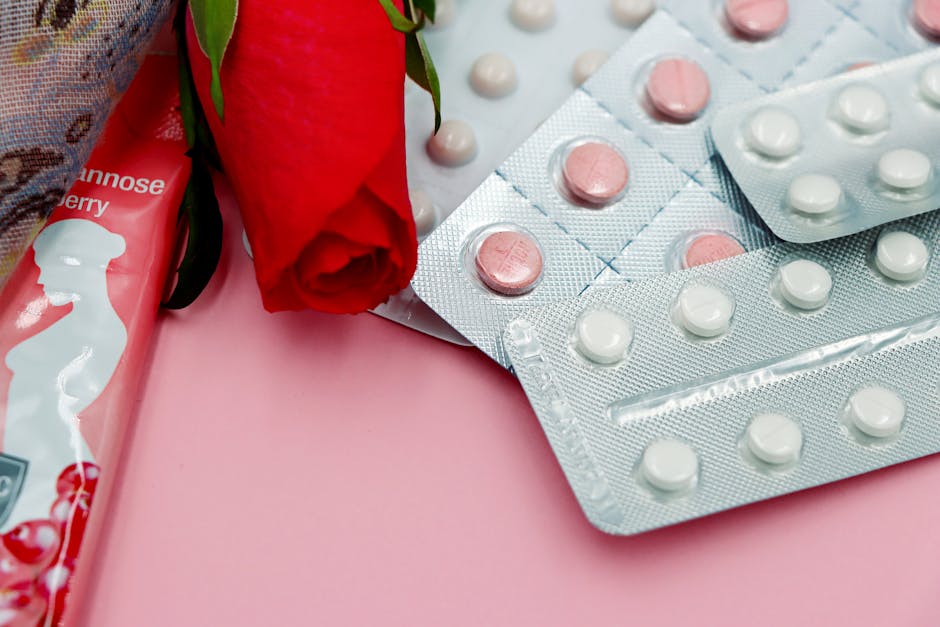
In this article, we’ll explore: Hormonal mechanisms of womens risk in the face of traumatic stress and why it matters today.
Related:
👉 Beyond the Surface: Unpacking the Hormonal Mechanisms of Women's Risk in the Face of Traumatic Stress
👉 Soothe Your Belly: 8 Foods To Avoid With an Upset Stomach and What To Eat Instead
👉 Unpacking the Hormonal Rollercoaster: Understanding Women's Unique Risk in the Face of Traumatic Stress
Learn more: Hormonal mechanisms of womens risk in the face of traumatic stress on Google Search
Imagine two people experience the exact same terrifying event. They both witness something horrific, something that shakes them to their core. One person might walk away, eventually processing the trauma and moving forward. The other might find themselves stuck, battling relentless flashbacks, crippling anxiety, and a constant feeling of dread. What makes the difference? While individual history, personality, and social support all play crucial roles, there’s a powerful, often overlooked player in this complex drama: our hormones.
Specifically for women, the intricate dance of hormones can profoundly influence how they experience, process, and recover from traumatic stress. It’s not just about what happens *to* us, but also what’s happening *inside* us – a silent, biochemical conversation that can either bolster our resilience or heighten our vulnerability. Understanding the **hormonal mechanisms of women’s risk in the face of traumatic stress** isn’t about labeling women as “weaker”; it’s about recognizing a fundamental biological reality that demands tailored understanding, support, and treatment.
Let’s pull back the curtain on this fascinating, yet often challenging, interplay between our biology and our experience of trauma.
The Unmistakable Gender Gap in Trauma Response
It’s a stark reality: women are twice as likely as men to develop Post-Traumatic Stress Disorder (PTSD) after experiencing trauma. They also tend to experience a wider range of symptoms, including more intense anxiety, depression, and dissociative symptoms. For years, explanations often centered on societal factors – women are more likely to experience certain types of trauma, like sexual assault, or they might be more encouraged to express their feelings. While these factors are undeniably important, they don’t tell the whole story.
Recent research is increasingly pointing towards a deeper, biological explanation, rooted in the very hormones that define female physiology. These aren’t just hormones for reproduction; they’re powerful neurochemicals that influence everything from our mood and memory to our stress response system.
Meet the Conductors: Key Hormones in the Stress Orchestra
Think of your body’s response to stress as a grand orchestra. When a traumatic event occurs, the conductor – your brain – signals various sections to play. And for women, the unique composition of their hormonal “sections” can change the entire symphony. Let’s introduce the main players:
* **Estrogen:** The star of the show, often associated with female characteristics, but also a potent neurochemical.
* **Progesterone:** Estrogen’s partner, known for its calming effects.
* **Cortisol:** The primary stress hormone, part of the “fight or flight” response.
* **Oxytocin:** The “love hormone,” but with a complex role in stress.
These hormones don’t act alone; they interact in a delicate, ever-changing balance, influencing how our brains perceive and react to threat.
Estrogen: The Double-Edged Sword
Estrogen is a fascinating hormone. It’s crucial for reproductive health, but it also has a profound impact on the brain. It influences:
* **Serotonin and GABA:** These are neurotransmitters that regulate mood, anxiety, and feelings of calm. Estrogen can boost their activity, which sounds good, right?
* **Amygdala:** The brain’s “fear center.” Estrogen can modulate its activity, sometimes making it more sensitive, sometimes less.
* **Hippocampus:** Crucial for memory formation and emotional regulation. Estrogen plays a role here too.
Here’s the twist: it’s not just the presence of estrogen, but its *fluctuations* that matter. When estrogen levels are stable and optimal, it can actually be protective, enhancing resilience and mood. However, when estrogen levels drop sharply or fluctuate wildly, women can become more vulnerable.
**Real-world example:** Imagine Sarah, who experiences a car accident. If this happens during the luteal phase of her menstrual cycle (the week or so before her period), when estrogen levels drop, she might be more likely to develop persistent anxiety and flashbacks than if the same accident occurred during her follicular phase (the first half of her cycle) when estrogen is rising and more stable. The sudden drop in estrogen can leave the brain’s fear circuits more exposed and less regulated. Similarly, women in the postpartum period, experiencing a massive drop in estrogen, often report heightened anxiety and vulnerability to trauma.
Progesterone: The Calming Counterpart (and Its Absence)
Progesterone is often seen as estrogen’s calming counterpart. It’s a precursor to allopregnanolone, a neurosteroid that acts like a natural Valium in the brain, binding to GABA receptors and promoting feelings of calm and relaxation.
When progesterone levels are healthy, they can help buffer the effects of stress and anxiety. However, when progesterone is low (which can happen during certain phases of the menstrual cycle, during perimenopause, or in times of chronic stress), this natural calming effect is diminished.
**Real-world example:** Consider a woman going through a stressful period at work, coupled with perimenopausal hormonal shifts where progesterone levels are naturally declining. If she experiences a traumatic event during this time, the lack of progesterone’s soothing presence might leave her brain’s anxiety circuits running on overdrive, making it harder to calm down and process the event. She might find herself unable to sleep, constantly on edge, and more susceptible to intrusive thoughts.
Cortisol: The Stress Hormone’s Complex Dance
Cortisol is our body’s primary stress hormone, part of the Hypothalamic-Pituitary-Adrenal (HPA) axis, our central stress response system. When faced with danger, cortisol floods our system, giving us the energy to “fight or flight.” While men and women both produce cortisol, their responses can differ significantly.
In some studies, women, especially those with a history of trauma, show a *blunted* cortisol response to stress. This means their bodies don’t produce enough cortisol to effectively shut down the stress response, leading to prolonged feelings of anxiety and hyperarousal. In other cases, women might show a *prolonged* cortisol elevation, indicating a system stuck in overdrive.
The interplay with sex hormones is key. Estrogen and progesterone can influence the HPA axis, often making it more sensitive or dysregulated in women. This means that women’s stress systems might be more easily triggered or take longer to return to baseline after a traumatic event, especially when sex hormone levels are fluctuating.
Oxytocin: The Bonding Hormone with a Twist
Oxytocin is often celebrated as the “love hormone” or “bonding hormone,” playing a role in social connection, trust, and even reducing stress. However, its role in trauma is more nuanced for women. While it can promote social support seeking (the “tend-and-befriend” response often observed in women under stress), it can also, paradoxically, heighten vigilance and anxiety in certain contexts.
For women, oxytocin’s influence might mean they are more acutely aware of social cues of threat, and their stress response might be more intertwined with their social environment. This can lead to different coping strategies, but also potentially to more complex social anxieties following trauma.
The Menstrual Cycle: A Monthly Rollercoaster of Vulnerability
One of the most significant aspects of **hormonal mechanisms of women’s risk in the face of traumatic stress** is the menstrual cycle itself. It’s a monthly symphony of rising and falling estrogen and progesterone, creating distinct windows of potential vulnerability.
* **Follicular Phase (Days 1-14, roughly):** Estrogen rises, often associated with improved mood, energy, and cognitive function. During this phase, some studies suggest women might be more resilient to stress.
* **Luteal Phase (Days 14-28, roughly):** After ovulation, progesterone rises alongside estrogen, then both drop sharply before menstruation. This drop in hormones, especially estrogen, can lead to increased anxiety, irritability, and heightened stress sensitivity. This is often when PMS symptoms are most prominent.
**Consider this:** If a woman experiences a traumatic event during her luteal phase, the sudden hormonal drop might make her brain less equipped to manage the emotional fallout, potentially increasing her risk of developing lasting trauma symptoms. Conversely, therapy or interventions might be more effective during certain phases of the cycle when hormones are more stable or protective.
Major Life Stages: Puberty, Pregnancy, Perimenopause
Beyond the monthly cycle, women experience several major life stages marked by profound hormonal shifts, each carrying its own implications for trauma vulnerability:
* **Puberty:** The surge of sex hormones during adolescence can make teenage girls particularly susceptible to the lasting effects of trauma. Their developing brains, coupled with fluctuating hormones, can create a volatile environment for processing stress.
* **Pregnancy and Postpartum:** Pregnancy is a period of massive hormonal upheaval, followed by an even more dramatic drop in hormones postpartum. The “baby blues” and postpartum depression are well-known, but this period also represents a heightened vulnerability to trauma, potentially exacerbating existing trauma symptoms or making new ones more likely to take hold.
* **Perimenopause and Menopause:** As women approach menopause, estrogen and progesterone levels become erratic and then decline significantly. This hormonal instability can trigger anxiety, depression, and sleep disturbances, creating a fertile ground for traumatic stress to take root or re-emerge more intensely.
Key Takeaways for a Deeper Understanding
* **It’s Not a Weakness, It’s Biology:** Understanding these hormonal influences isn’t about blaming women or suggesting they are inherently weaker. It’s about acknowledging distinct biological differences that impact mental health.
* **Hormones are Powerful:** Estrogen, progesterone, cortisol, and oxytocin play complex, often interacting roles in how women’s brains respond to and recover from trauma.
* **Fluctuations Matter:** It’s not just the absolute levels of hormones, but their dynamic changes – during the menstrual cycle, pregnancy, postpartum, and perimenopause – that significantly impact vulnerability.
* **Personalized Approaches are Key:** Recognizing these hormonal factors can lead to more personalized and effective trauma treatments, potentially considering a woman’s hormonal stage or even incorporating hormonal support where appropriate.
* **Awareness is Empowerment:** For women, understanding these mechanisms can provide validation and empower them to seek support that considers their unique biology.
FAQ: Your Questions Answered
Q1: Does this mean women are “weaker” or less capable of handling stress?
Absolutely not. It means women’s bodies and brains process stress and trauma differently due to their unique hormonal profiles. It’s a biological difference, not a measure of strength or weakness. In fact, women often exhibit incredible resilience and unique coping strategies, like “tend-and-befriend,” which are also hormonally influenced.
Q2: Can men’s hormones also influence their response to trauma?
Yes, absolutely. Testosterone, for example, plays a significant role in men’s stress response, often having a more protective effect against anxiety and depression. However, the specific mechanisms and fluctuations are different from those in women, which is why the focus here is on women’s unique hormonal landscape.
Q3: What can women do if they suspect their hormones are impacting their trauma response?
The first step is always to consult with a healthcare professional – a doctor, endocrinologist, or a mental health professional specializing in trauma. They can help assess your hormonal health, discuss your symptoms, and explore treatment options that might include hormonal therapies, specific psychotherapies tailored to trauma, or lifestyle adjustments.
Q4: Should I get my hormones tested if I’ve experienced trauma?
It’s a conversation worth having with your doctor. While not always a standard procedure, understanding your hormonal baseline, especially if you experience significant fluctuations or are in a major life stage (like perimenopause), could provide valuable insights for a personalized treatment plan.
Embracing the Full Picture
The journey through trauma is deeply personal, yet understanding the underlying **hormonal mechanisms of women’s risk in the face of traumatic stress** sheds crucial light on why this journey can be uniquely challenging for women. It moves beyond superficial explanations and delves into the profound biological truths that shape our experiences.
By recognizing the intricate symphony of hormones within us, we can foster greater empathy, develop more targeted interventions, and ultimately empower women to heal and thrive, not despite their biology, but in harmony with it. It’s time to listen to the hidden symphony, acknowledge its power, and offer support that resonates with every note.
Written with love and assistance and refined for quality.
{“@context”:”https://schema.org”,”@type”:”Article”,”headline”:”The Hidden Symphony: How Hormones Shape Women’s Vulnerability to Traumatic Stress”,”description”:”In this article, weu2019ll explore: Hormonal mechanisms of womens risk in the face of traumatic stress and why it matters…”,”author”:{“@type”:”Person”,”name”:”Dr. Cuterus”},”datePublished”:”2026-05-19T17:35:52+00:00″,”dateModified”:”2026-05-19T17:35:52+00:00″,”mainEntityOfPage”:”https://healthyworldz.com/the-hidden-symphony-how-hormones-shape-womens-vulnerability-to-traumatic-stress/”,”image”:[“https://healthyworldz.com/wp-content/uploads/2026/05/hormonal-mechanisms-of-womens-risk-in-the-face-of-traumatic-stress-193.jpg”]}
🔗 Related: Hormonal mechanisms of womens risk in…
🔗 Related: 8 Foods To Avoid With an…