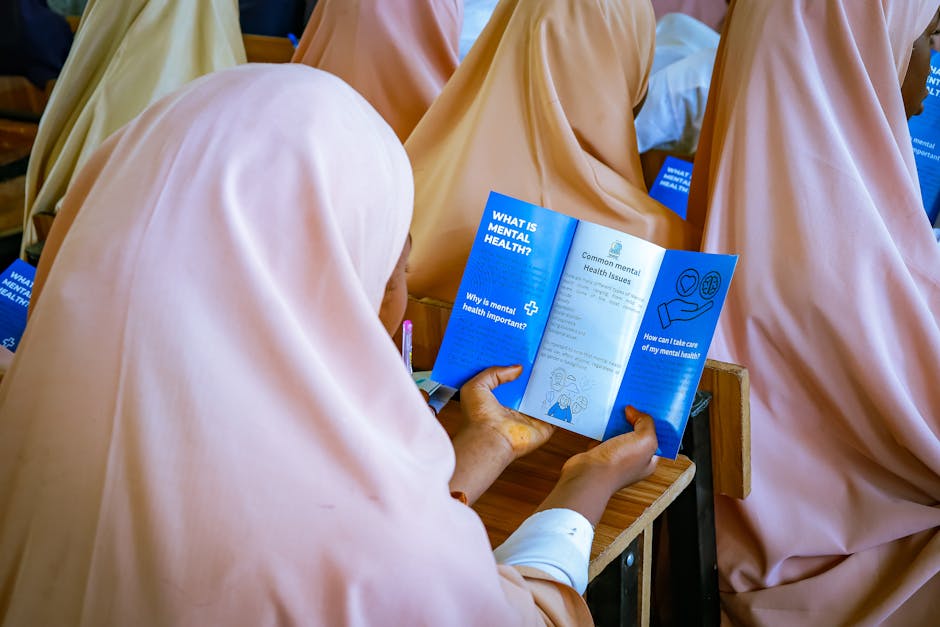
In this article, we’ll explore: BcozSheMatters: WHO Health Ministry roll out campaign on women and girls health and well-being and why it matters today.
Related:
👉 Tummy Trouble? 8 Foods To Avoid With an Upset Stomach and What To Eat Instead
👉 Why Trauma Hits Differently: Understanding the Hormonal Mechanisms of Women’s Risk in the Face of Traumatic Stress
👉 Why Every Woman’s Health Deserves the Spotlight: A Deep Dive into the #BcozSheMatters Campaign
Learn more: BcozSheMatters: WHO Health Ministry roll out campaign on women and girls health and well-being on Wikipedia
Think about the last time you saw a mother, a sister, or a female friend put everyone else’s needs before her own. In many cultures, women are the backbone of the family, the primary caregivers, and the emotional glue that holds households together. Yet, ironically, they are often the last ones to seek medical help or prioritize their own well-being. This isn’t just a personal choice; it’s a systemic issue that has persisted for decades.
To address this deep-rooted challenge, a significant shift is happening on the global stage. The BcozSheMatters: WHO Health Ministry roll out campaign on women and girls health and well-being is more than just a catchy slogan; it is a comprehensive movement designed to bridge the gap in healthcare access and ensure that every woman and girl, regardless of where she lives, has the right to a healthy life.
In this post, we’ll dive deep into what this campaign means, why it’s happening now, and how it aims to change the landscape of healthcare for generations to come.
What is the “BcozSheMatters” Campaign All About?
The “BcozSheMatters” initiative is a collaborative effort between the World Health Organization (WHO) and various Ministries of Health across several nations. The core philosophy is simple: when a woman is healthy, her family thrives, her community prospers, and the economy grows. However, achieving this requires more than just building hospitals; it requires changing mindsets and removing the barriers that prevent women from accessing care.
The BcozSheMatters: WHO Health Ministry roll out campaign on women and girls health and well-being focuses on a holistic approach. It isn’t just about reproductive health—though that remains a vital component—it’s also about mental health, nutrition, chronic disease prevention, and protection against gender-based violence.
A Shift from “Patients” to “People”
For too long, women’s health has been viewed through a narrow lens, often limited to pregnancy and childbirth. This campaign seeks to change that narrative. It treats women as whole individuals who need support from infancy through old age. By focusing on the “life-course approach,” the WHO and Health Ministries are ensuring that a girl’s health in her teenage years is seen as the foundation for her health as an adult.
Why Focus Specifically on Women and Girls?
You might wonder, “Why a campaign specifically for women? Shouldn’t healthcare be equal for everyone?” While the goal is indeed equality, the reality is that women face unique biological, social, and economic challenges that men do not. Here are a few reasons why this targeted focus is necessary:
- Biological Vulnerabilities: From maternal mortality risks to higher rates of certain autoimmune diseases and breast cancer, women have specific health needs that require specialized attention.
- The “Double Burden”: Many women work full-time while also handling the majority of unpaid domestic work. This leads to high levels of stress, exhaustion, and neglected mental health.
- Societal Barriers: In many parts of the world, women still need permission from male family members to visit a doctor, or they lack the financial independence to pay for their own treatments.
- The Gender Pain Gap: Studies have shown that women’s pain is often taken less seriously by medical professionals than men’s pain, leading to delayed diagnoses.
The Core Pillars of the BcozSheMatters Campaign
The BcozSheMatters: WHO Health Ministry roll out campaign on women and girls health and well-being is built on several key pillars that address the most pressing issues facing women today.
1. Maternal and Reproductive Health
Every day, hundreds of women die from preventable causes related to pregnancy and childbirth. The campaign aims to provide better access to prenatal care, skilled birth attendants, and postnatal support. But it goes further—it also advocates for the right to family planning and reproductive education, empowering girls to make informed choices about their bodies.
2. Mental Health and Emotional Well-being
Postpartum depression, anxiety, and the psychological impact of domestic violence are often “silent” issues. The campaign integrates mental health services into primary healthcare, making it easier for women to speak up and get the help they need without feeling ashamed.
3. Nutrition and Preventive Care
Anemia and malnutrition are rampant among girls in many developing regions, affecting their cognitive development and future health. The initiative focuses on nutritional education and the distribution of essential supplements. Furthermore, it pushes for regular screenings for non-communicable diseases like diabetes, hypertension, and cervical cancer.
4. Combatting Gender-Based Violence
Health is not just the absence of disease; it is the presence of safety. The campaign works closely with local authorities to create “safe spaces” within clinics where survivors of violence can receive medical care and counseling in a secure, confidential environment.
Storytelling: A Tale of Two Realities
To understand the impact of the BcozSheMatters: WHO Health Ministry roll out campaign on women and girls health and well-being, let’s look at two hypothetical but realistic scenarios.
Scenario A: The Old Way
Anjali, a 28-year-old mother in a rural village, feels a persistent lump in her breast. She is worried but doesn’t tell anyone because the nearest clinic is three hours away, and she doesn’t have the money for the bus fare. She assumes it’s nothing and continues to work in the fields and care for her children. By the time she finally sees a doctor a year later, the cancer has progressed. This is the reality for millions of women when healthcare is not prioritized or accessible.
Scenario B: The #BcozSheMatters Way
Under the new campaign, a mobile health unit visits Anjali’s village. A female health worker, trained through the WHO initiative, conducts a routine screening. She detects the lump early and explains the next steps in Anjali’s own language. The campaign has also set up a community fund to help with transportation costs. Anjali receives treatment early and returns to her family healthy and strong. This is the power of a proactive, gender-sensitive healthcare system.
The Role of Digital Health in the Rollout
In the modern age, the BcozSheMatters: WHO Health Ministry roll out campaign on women and girls health and well-being is leveraging technology to reach more people. Telemedicine is being used to connect women in remote areas with specialists in the city. Apps are being developed to help girls track their menstrual cycles and receive tips on hygiene and nutrition. By putting health information directly into the hands of women through their smartphones, the campaign is breaking down the walls of the traditional clinic.
How Can We Support This Movement?
The government and the WHO cannot do this alone. For a campaign like “BcozSheMatters” to truly succeed, it requires a collective effort from society. Here is how you can help:
- Educate Yourself and Others: Share information about women’s health issues on social media. Use the hashtag #BcozSheMatters to join the conversation.
- Support Local NGOs: Many grassroots organizations are working on the ground to implement the goals of this campaign. They often need volunteers and donations.
- Encourage the Women in Your Life: If you notice a friend or family member neglecting her health, encourage her to see a professional. Sometimes, all someone needs is a little nudge and the knowledge that they matter.
- Advocate for Policy Change: Support policies that provide paid maternity leave, affordable childcare, and equal pay, as these are all indirectly linked to a woman’s ability to maintain her health.
Key Takeaways
- The BcozSheMatters: WHO Health Ministry roll out campaign on women and girls health and well-being is a global initiative aimed at providing holistic, gender-sensitive healthcare.
- It moves beyond just maternal health to include mental well-being, nutrition, and safety from violence.
- The campaign uses a “life-course approach,” focusing on health from infancy through old age.
- Digital health and community-based interventions are central to the campaign’s success.
- The ultimate goal is to empower women, knowing that their health is the foundation of a healthy society.
Frequently Asked Questions (FAQ)
1. Who is funding the BcozSheMatters campaign?
The campaign is funded through a combination of WHO grants, national health budgets from participating Ministries of Health, and contributions from international donor organizations and private partners.
2. Is this campaign only for developing countries?
No. While the challenges might differ, women in developed countries also face health disparities, such as the gender pain gap and high costs of specialized care. The campaign’s principles are being adapted for various economic contexts globally.
3. How does the campaign address menstrual hygiene?
The initiative includes programs to provide affordable sanitary products in schools and public centers, along with education to reduce the stigma surrounding menstruation, ensuring girls don’t miss school due to their periods.
4. Can men participate in this campaign?
Absolutely! Men play a crucial role as allies. By supporting the health and rights of the women in their lives and advocating for equality, men help create an environment where the “BcozSheMatters” goals can be achieved.
5. Where can I find more information about the rollout in my country?
You can visit the official website of your national Ministry of Health or the WHO’s regional portal to see specific dates, clinic locations, and services offered under the “BcozSheMatters” banner.
Conclusion
The BcozSheMatters: WHO Health Ministry roll out campaign on women and girls health and well-being is a beacon of hope. It represents a world where a woman’s health is not an afterthought, but a priority. By addressing the unique challenges women face and providing them with the tools they need to stay healthy, we aren’t just helping individuals—we are building a stronger, more resilient world for everyone.
Because at the end of the day, her health matters. Her voice matters. #BcozSheMatters.
Written with love and assistance and refined for quality.
{“@context”:”https://schema.org”,”@type”:”Article”,”headline”:”BcozSheMatters: Why the WHO Health Ministry Campaign for Women and Girls is a Turning Point for Global Health”,”description”:”In this article, weu2019ll explore: BcozSheMatters: WHO Health Ministry roll out campaign on women and girls health and well-being and…”,”author”:{“@type”:”Person”,”name”:”Dr. Cuterus”},”datePublished”:”2026-05-22T20:28:21+00:00″,”dateModified”:”2026-05-22T20:28:21+00:00″,”mainEntityOfPage”:”https://healthyworldz.com/bcozshematters-why-the-who-health-ministry-campaign-for-women-and-girls-is-a-turning-point-for-global-health/”,”image”:[“https://healthyworldz.com/wp-content/uploads/2026/05/bcozshematters-who-health-ministry-roll-out-campaign-on-women-and-girls-health-and-well-being-9.jpg”]}
🔗 Related: HealthFab Secures Funding To Expand Period…
🔗 Related: Hormonal mechanisms of womens risk in…
🔗 Related: 8 Foods To Avoid With an…