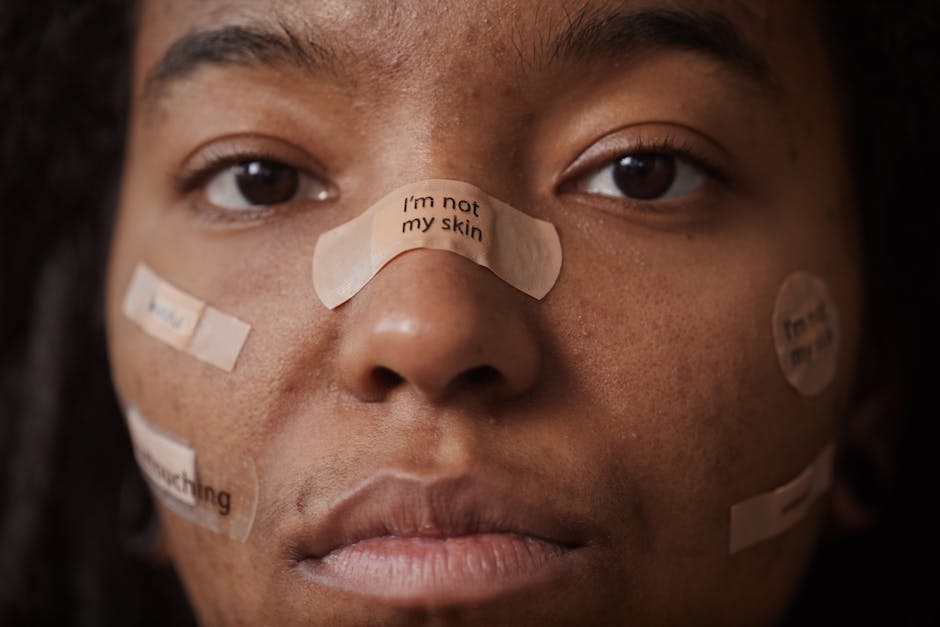
In this article, we’ll explore: BcozSheMatters: WHO Health Ministry roll out campaign on women and girls health and well-being and why it matters today.
Related:
👉 8 Foods To Avoid With an Upset Stomach and What To Eat Instead
👉 Why Trauma Hits Differently: Understanding the Hormonal Mechanisms of Women’s Risk
👉 BcozSheMatters: Why the New WHO and Health Ministry Campaign is a Game-Changer for Women Everywhere
Learn more: BcozSheMatters: WHO Health Ministry roll out campaign on women and girls health and well-being on Wikipedia
Imagine a world where every girl grows up with the knowledge to care for her body, and every woman has the support she needs to thrive—not just survive. It sounds like a simple dream, right? But for millions of women across the globe, accessing basic healthcare or even talking about their well-being remains a challenge. This is exactly why the recent announcement has sparked so much hope. The BcozSheMatters: WHO Health Ministry roll out campaign on women and girls health and well-being is more than just a government program; it is a movement aimed at rewriting the narrative of female health.
We often hear the phrase, “When you educate a woman, you educate a nation.” But we need to take that a step further. When you ensure a woman is healthy, you stabilize a family, you boost an economy, and you build a stronger society. Let’s take a closer look at what this campaign is all about, why it matters so much right now, and how it’s going to change lives on the ground.
The Heart of the Movement: What is BcozSheMatters?
The “BcozSheMatters” initiative is a collaborative effort between the World Health Organization (WHO) and the Ministry of Health. Its primary goal is to bridge the gap in healthcare services specifically tailored for women and girls. For too long, healthcare has been a “one size fits all” model, often overlooking the unique physiological and psychological needs of women.
Think about a young girl in a rural village who misses school because she doesn’t understand her menstrual cycle, or a mother in a busy city who ignores a persistent ache because she’s too busy caring for everyone else. These are the stories the BcozSheMatters: WHO Health Ministry roll out campaign on women and girls health and well-being aims to change. By focusing on everything from reproductive health to mental wellness, the campaign seeks to provide a safety net that has been missing for far too long.
Why This Campaign is a Game-Changer
You might wonder, why now? Haven’t we always had health programs? Yes, but the BcozSheMatters campaign is different because it doesn’t just look at “sickness.” it looks at “well-being.” Here is why this shift is so important:
- A Holistic View: It goes beyond just physical health. It includes mental health, nutrition, and social safety.
- Life-Cycle Approach: The campaign supports a woman from her childhood and adolescence through her reproductive years and into old age.
- Breaking Taboos: It encourages open conversations about topics that are often whispered about, like menopause, menstruation, and maternal depression.
- Accessibility: By partnering with the Ministry of Health, the WHO ensures that these resources reach the most remote areas, not just the big cities.
The Four Pillars of the Campaign
To make a real impact, the BcozSheMatters campaign focuses on four main areas. These aren’t just checkboxes; they are the foundations of a healthy life.
1. Maternal and Reproductive Health
Safe motherhood is a right, not a privilege. The campaign focuses on ensuring that every woman has access to quality prenatal and postnatal care. This isn’t just about the birth itself; it’s about the months leading up to it and the critical period afterward. When a mother is healthy, her baby has a much better chance of a healthy start in life.
2. Adolescent Health and Education
The teenage years are a whirlwind. For many girls, this is a time of confusion. The campaign rolls out educational programs in schools to teach girls about their bodies, nutrition, and the importance of physical activity. By empowering girls early, we prevent many health issues from developing later in life.
3. Mental Health and Emotional Well-being
This is perhaps the most “human” part of the initiative. Women often carry a heavy emotional load—balancing work, family, and societal expectations. The BcozSheMatters: WHO Health Ministry roll out campaign on women and girls health and well-being places a massive emphasis on destigmatizing mental health issues like anxiety and postpartum depression. It says, “It’s okay not to be okay, and here is how you can get help.”
4. Fighting Non-Communicable Diseases (NCDs)
Diseases like diabetes, hypertension, and breast cancer are on the rise. The campaign focuses on early screening and lifestyle changes. Imagine a community health worker visiting a neighborhood to perform simple screenings—this proactive approach can save thousands of lives through early detection.
Real-World Impact: Sarah’s Story
To understand the weight of this campaign, let’s look at Sarah. Sarah is a 32-year-old mother of three living in a suburban neighborhood. For months, she felt exhausted and had frequent headaches. She assumed it was just “mom life.” However, through a local BcozSheMatters workshop, she learned about the signs of hypertension and was encouraged to get a free screening at a mobile clinic.
It turned out her blood pressure was dangerously high. Because of the campaign’s outreach, Sarah got the medication and lifestyle advice she needed before she suffered a stroke or heart attack. Sarah isn’t just a statistic; she’s a mother who can now watch her children grow up. That is the “human” side of policy-making.
How the Community Can Get Involved
A campaign this big can’t succeed if it stays inside government offices. It needs us. It needs the community. Here is how we can all contribute to the success of the BcozSheMatters initiative:
- Spread the Word: Use your social media or community groups to share information about the campaign.
- Support Local Clinics: If you see a mobile health unit in your area, encourage the women in your life to visit it.
- Talk Openly: Break the silence around women’s health. The more we talk about it, the less “shameful” it becomes.
- Volunteer: Many of these programs need community volunteers to help with logistics and outreach.
The Economic Ripple Effect
It might sound cold to talk about money when we’re talking about health, but the economic argument is powerful. When women are healthy, they can participate in the workforce. They can lead businesses and contribute to their local economies. According to various global studies, improving women’s health could add trillions of dollars to the global GDP. By investing in the BcozSheMatters: WHO Health Ministry roll out campaign on women and girls health and well-being, the government isn’t just spending money; it’s making an investment that will pay off for generations.
Key Takeaways
- Comprehensive Care: The campaign covers everything from puberty to old age.
- Partnership is Key: The collaboration between the WHO and the Health Ministry ensures global expertise meets local needs.
- Mental Health Matters: For the first time, emotional well-being is being given the same priority as physical health.
- Empowerment through Knowledge: Education is the core tool used to help women take charge of their own health.
- Community Driven: The success of the campaign relies on breaking social taboos and encouraging open dialogue.
Conclusion: A Healthier Future for All
The launch of the BcozSheMatters campaign marks a turning point. It’s a recognition that for a society to be truly healthy, its women and girls must be supported, heard, and cared for. It’s about more than just medicine; it’s about dignity, respect, and the future.
As this campaign rolls out, let’s remember that behind every statistic is a girl with a dream and a woman with a story. By prioritizing their health, we aren’t just helping individuals—we are healing the world. Because, at the end of the day, she matters. She always has, and it’s about time our healthcare systems reflected that.
Frequently Asked Questions
What is the main goal of the BcozSheMatters campaign?
The main goal is to improve the overall health and well-being of women and girls by providing accessible healthcare, education, and support for both physical and mental health issues.
Who is behind this initiative?
The campaign is a joint effort between the World Health Organization (WHO) and the national Ministry of Health, combining global health standards with local implementation.
Does the campaign only focus on physical health?
No, one of the standout features of the BcozSheMatters campaign is its heavy focus on mental health, emotional well-being, and nutritional support, alongside traditional medical care.
How can I find out if there are services near me?
You can check the official website of your local Ministry of Health or look for the BcozSheMatters branding at community health centers and mobile clinics in your area.
Is this campaign only for women in rural areas?
While reaching rural and underserved populations is a priority, the campaign is designed to benefit women and girls in all settings, including urban and suburban environments.
Written with love and assistance and refined for quality.
{“@context”:”https://schema.org”,”@type”:”Article”,”headline”:”Why Her Health Changes the World: A Deep Dive into the BcozSheMatters Campaign”,”description”:”In this article, weu2019ll explore: BcozSheMatters: WHO Health Ministry roll out campaign on women and girls health and well-being and…”,”author”:{“@type”:”Person”,”name”:”Dr. Cuterus”},”datePublished”:”2026-05-23T08:28:28+00:00″,”dateModified”:”2026-05-23T08:28:28+00:00″,”mainEntityOfPage”:”https://healthyworldz.com/why-her-health-changes-the-world-a-deep-dive-into-the-bcozshematters-campaign/”,”image”:[“https://healthyworldz.com/wp-content/uploads/2026/05/bcozshematters-who-health-ministry-roll-out-campaign-on-women-and-girls-health-and-well-being-11.jpg”]}
🔗 Related: 8 Foods To Avoid With an…