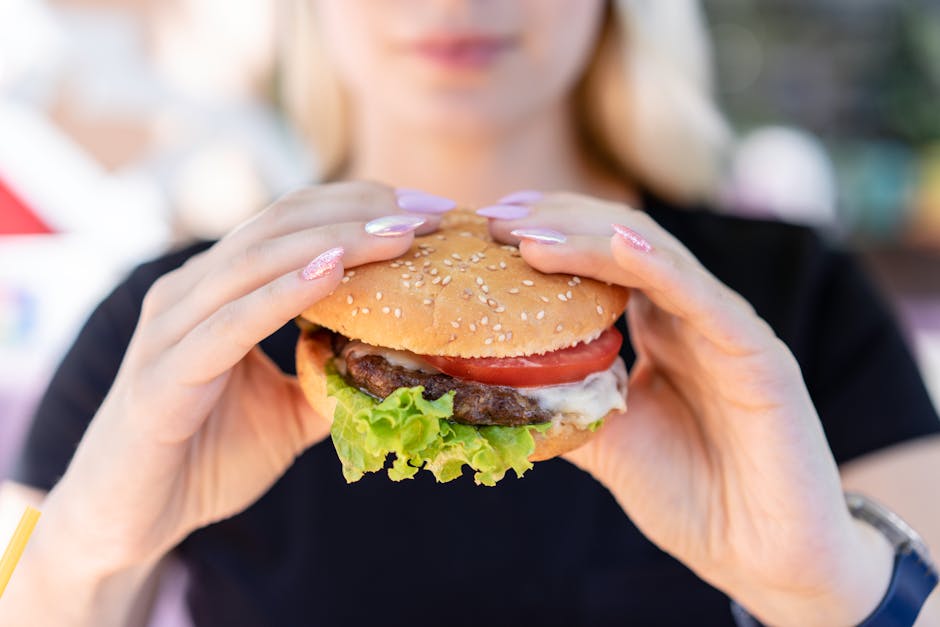
In this article, we’ll explore: 8 Foods To Avoid With an Upset Stomachand What To Eat Instead and why it matters today.
Related:
👉 Why Women Experience Trauma Differently: Understanding the Hormonal Mechanisms of Stress
👉 Tummy Troubles? 8 Foods To Avoid With an Upset Stomach and What To Eat Instead
👉 Why Women Process Trauma Differently: Understanding the Hormonal Mechanisms of Women's Risk in the Face of Traumatic Stress
Learn more: 8 Foods To Avoid With an Upset Stomachand What To Eat Instead on Google Search
We’ve all been there. You’re sitting at your desk, or maybe you’re out for a nice dinner, and suddenly, your stomach starts doing backflips. It’s that unmistakable, gurgling sensation that tells you the next few hours are going to be uncomfortable. Whether it’s a touch of food poisoning, a stomach flu, or just a digestive system that’s decided to go on strike, knowing what to put in your body (and what to keep far away) is the difference between a quick recovery and a long night of misery.
When your gut is sensitive, the last thing you want to do is make it work harder. Imagine your digestive tract is like a bruised muscle—you wouldn’t go run a marathon on a sprained ankle, right? In the same way, you shouldn’t force your stomach to process heavy, complex, or irritating foods when it’s already struggling.
In this guide, we’re going to break down the 8 Foods To Avoid With an Upset Stomach and What To Eat Instead. We’ll look at the science of why certain foods trigger more pain and give you a roadmap of gentle alternatives that will help you get back on your feet.
The “No-Go” List: 8 Foods to Avoid Right Now
When your stomach is in knots, your primary goal is “low residue” and “low irritation.” These eight categories are the most common culprits that turn a minor stomach ache into a full-blown digestive crisis.
1. Dairy Products (Milk, Cheese, and Ice Cream)
Even if you aren’t usually lactose intolerant, a stomach bug can make you temporarily sensitive to dairy. When the lining of your intestines is inflamed, it loses the ability to produce enough lactase—the enzyme needed to digest milk sugar. This can lead to bloating, gas, and even more diarrhea. So, put down the milkshake and step away from the cheese board for a few days.
2. Spicy Foods
We all love a good spicy taco or a kick of sriracha, but capsaicin (the compound that makes peppers hot) is a major irritant to the stomach lining. When your gut is already raw, adding spice is like pouring gasoline on a fire. It speeds up digestion, which is exactly what you don’t want if you’re already dealing with a “runny” situation.
3. Greasy and Fried Foods
Fried chicken, French fries, and heavy burgers are high in fats. Fat takes a long time to digest and requires a lot of work from your stomach and gallbladder. When your system is compromised, these heavy fats sit in your stomach longer, leading to acid reflux, nausea, and a heavy, “brick-like” feeling in your belly.
4. Acidic Fruits and Vegetables
Citrus fruits like oranges, lemons, and grapefruits, as well as tomato-based products, are highly acidic. This acid can irritate the esophagus and the stomach lining. If you’re already feeling nauseous, the sharpness of citrus can often trigger a gag reflex or worsen heartburn.
5. Artificial Sweeteners
Check the labels on your “sugar-free” gum or diet sodas. Ingredients like sorbitol, xylitol, and erythritol are sugar alcohols that are notoriously hard for the body to absorb. They often reach the large intestine intact, where they pull in water and ferment, causing significant gas, cramping, and a laxative effect.
6. Cruciferous Vegetables
Broccoli, cauliflower, cabbage, and kale are nutritional powerhouses, but they are also packed with complex sugars and high fiber. In a healthy gut, this is great. In an upset gut, these fibers are incredibly difficult to break down, leading to painful bloating and “trapped” wind.
7. Caffeine and Coffee
Coffee is a natural laxative. It stimulates the muscles in your digestive tract to contract. If you’re already dealing with diarrhea, caffeine will only speed things up. Additionally, coffee is acidic, which can irritate an already sensitive stomach lining.
8. Alcohol
This might seem obvious, but alcohol is a toxin that the body has to work hard to process. It irritates the stomach lining and can interfere with the way your body absorbs water, leading to dehydration—which is the last thing you want when you’re already losing fluids.
What To Eat Instead: The Road to Recovery
Now that we’ve cleared out the pantry of the troublemakers, what can you eat? The goal here is to choose foods that are “bland,” easy to break down, and soothing to the digestive tract.
The Classic BRAT Diet
For decades, doctors have recommended the BRAT diet for kids and adults alike. It stands for Bananas, Rice, Applesauce, and Toast. These foods are low in fiber, which helps firm up stools, and they are very gentle on the stomach.
- Bananas: They are rich in potassium, an electrolyte you lose when you’re sick.
- White Rice: It’s easy to digest and provides quick energy without taxing the gut.
- Applesauce: It contains pectin, which can help reduce diarrhea.
- Plain Toast: Specifically white bread, as whole wheat has too much fiber for an upset stomach.
Ginger and Peppermint
Nature has provided some of the best remedies for nausea. Ginger has been used for centuries to settle the stomach. You can try ginger tea or even a small piece of crystallized ginger. Peppermint tea is also excellent for relaxing the muscles in the digestive tract, which can help relieve cramping and gas.
Clear Broths
If you can’t handle solid food yet, bone broth or vegetable broth is your best friend. It provides essential hydration along with minerals and amino acids that help repair the gut lining. Plus, the warmth is incredibly soothing when you’re feeling under the weather.
Boiled Potatoes
Like rice, peeled and boiled potatoes are a great source of “safe” carbohydrates. Just make sure you don’t load them up with butter, sour cream, or chives. A little bit of salt is fine and actually helps replenish lost sodium.
A Real-World Example: Sarah’s Story
Take Sarah, for example. Sarah had a busy week at work and decided to grab some spicy Thai food on her way home. By 10:00 PM, she was doubled over with cramps. Her first instinct was to reach for a glass of cold milk to “cool the spice,” but that actually made the bloating worse.
The next morning, instead of her usual large coffee and avocado toast (which is high in fiber and fat), she switched to a simple bowl of white rice and a cup of ginger tea. By the afternoon, the “backflips” in her stomach had stopped, and she was able to return to work. Sarah’s experience shows that even “healthy” foods like avocado can be the wrong choice when your stomach is in crisis mode.
Key Takeaways for a Happy Gut
- Listen to your body: If the thought of a certain food makes you feel nauseous, don’t eat it.
- Hydration is king: Sip water, electrolyte drinks, or herbal teas constantly.
- Small portions: Don’t try to eat a full meal. Have a few bites every hour.
- Avoid “The Big 8”: Keep the list of 8 Foods To Avoid With an Upset Stomach and What To Eat Instead handy for the next time you feel a grumble.
- Gradual reintroduction: Don’t jump straight from white rice to a pepperoni pizza. Slowly add more complex foods as you feel better.
Frequently Asked Questions (FAQ)
Can I eat yogurt with an upset stomach?
It depends. While most dairy should be avoided, some people find that plain, low-fat Greek yogurt with active cultures (probiotics) helps settle the stomach. However, if you are experiencing severe cramping or diarrhea, it’s safer to wait a day or two before trying it.
Is soda okay if it’s ginger ale?
Ginger ale can help with nausea because of the ginger, but the carbonation and high sugar content can actually cause more bloating and gas. If you want to drink ginger ale, let it go slightly flat first, or better yet, stick to ginger tea.
How long should I stay on the BRAT diet?
The BRAT diet is not nutritionally complete, so you shouldn’t stay on it for more than 24 to 48 hours. As soon as you start feeling better, try to reintroduce lean proteins like boiled chicken and cooked vegetables.
When should I see a doctor?
If your stomach pain is severe, if you have a high fever, if you see blood in your stool, or if you cannot keep any liquids down for more than 12 hours, you should seek medical attention immediately. Dehydration is a serious risk with stomach issues.
Conclusion
Dealing with an upset stomach is never fun, but you have more control over your recovery than you might think. By strictly avoiding the “Big 8” irritants—dairy, spice, grease, acid, fake sugars, gas-heavy veggies, caffeine, and alcohol—you give your digestive system the “quiet time” it needs to heal. Focus on the gentle, bland alternatives like the BRAT diet and soothing teas. Before you know it, you’ll be back to enjoying your favorite meals again!
Written with love and assistance and refined for quality.
{“@context”:”https://schema.org”,”@type”:”Article”,”headline”:”8 Foods To Avoid With an Upset Stomach and What To Eat Instead: Your Guide to Feeling Better Fast”,”description”:”In this article, weu2019ll explore: 8 Foods To Avoid With an Upset Stomachand What To Eat Instead and why it…”,”author”:{“@type”:”Person”,”name”:”Dr. Cuterus”},”datePublished”:”2026-05-25T00:36:00+00:00″,”dateModified”:”2026-05-25T00:36:00+00:00″,”mainEntityOfPage”:”https://healthyworldz.com/8-foods-to-avoid-with-an-upset-stomach-and-what-to-eat-instead-your-guide-to-feeling-better-fast/”,”image”:[“https://healthyworldz.com/wp-content/uploads/2026/05/8-foods-to-avoid-with-an-upset-stomachand-what-to-eat-instead-139.jpg”]}
🔗 Related: Hormonal mechanisms of womens risk in…
🔗 Related: Hormonal mechanisms of womens risk in…
🔗 Related: Hormonal mechanisms of womens risk in…