In this article, we’ll explore: 8 Foods To Avoid With an Upset Stomachand What To Eat Instead and why it matters today.
Related:
👉 Beyond Just a Campaign: Why #BcozSheMatters is Changing the Future of Women’s Health
👉 Beyond Resilience: Understanding the Hormonal Mechanisms of Women’s Risk in the Face of Traumatic Stress
👉 Understanding Fertility Struggles in PCOS: Why the Uterine Lining Matters More Than We Thought
Learn more: 8 Foods To Avoid With an Upset Stomachand What To Eat Instead on Google Search
We’ve all been there. You’re sitting on the couch, clutching a pillow to your midsection, wondering if it was the leftover takeout or just a random bug that decided to ruin your day. When your stomach is in knots, the world feels like a very uncomfortable place. Every gurgle feels like a warning shot, and the mere thought of food can make you break into a cold sweat.
But eventually, you get hungry. Your body needs energy to heal, yet your brain is screaming, “Don’t put anything down there!” It’s a delicate balancing act. Eating the wrong thing can send you running back to the bathroom, while eating the right thing can be the “reset button” your digestive system desperately needs.
In this guide, we are going to break down the 8 Foods To Avoid With an Upset Stomach and What To Eat Instead. We’ll look at why certain foods act like fuel on a fire and which gentle alternatives will help you get back on your feet without the drama.
Why Your Stomach Turns Against You
Before we dive into the list, let’s talk about what’s actually happening. Whether it’s a virus, food poisoning, or just a bout of indigestion, your digestive lining is likely inflamed. Think of it like a bad sunburn on the inside of your body. You wouldn’t scrub a sunburn with a rough loofah, right? Similarly, you shouldn’t “scrub” an irritated stomach with hard-to-digest, acidic, or heavy foods.
When your gut is sensitive, it wants one thing: simplicity. It wants foods that require almost zero effort to break down so it can focus all its energy on healing. This is where most of us go wrong—we try to eat “normal” too soon.
1. Say No to Dairy (Even if You Love Cheese)
I know, a warm bowl of mac and cheese sounds like the ultimate comfort food when you’re feeling down. However, dairy is one of the top offenders when your stomach is upset.
Even if you aren’t typically lactose intolerant, a stomach bug can cause a temporary deficiency in lactase—the enzyme needed to digest milk sugars. This leads to bloating, gas, and even more diarrhea. It’s like trying to run a heavy software program on a computer that’s already overheating.
What to Eat Instead: Clear Broths
Instead of creamy soups or milk-based drinks, reach for a clear chicken or vegetable broth. It provides essential hydration and electrolytes (like salt) without forcing your stomach to process fats or lactose. It’s warm, soothing, and goes down easy.
2. Skip the Fried and Fatty Foods
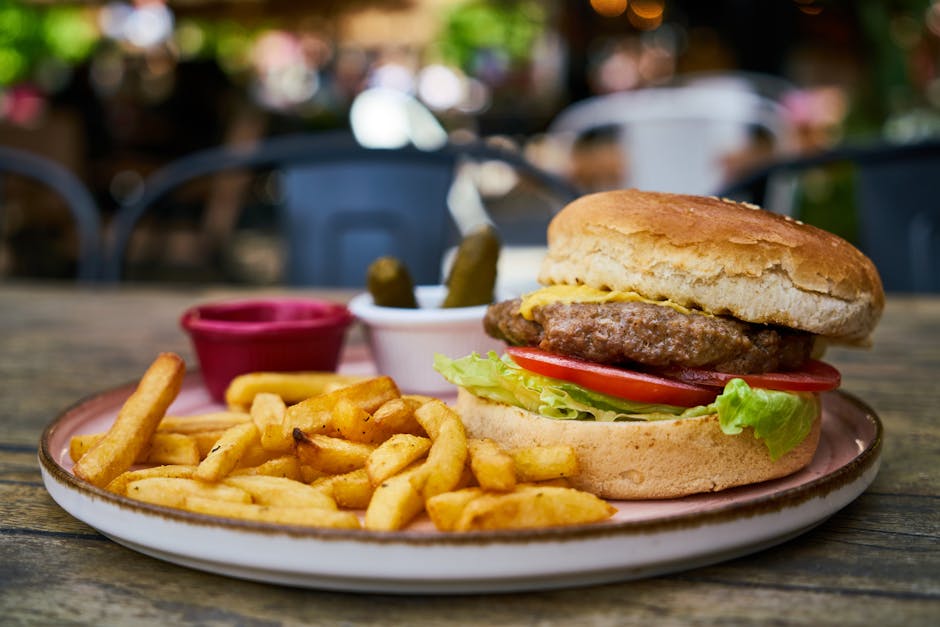
Greasy burgers, French fries, and even heavily buttered toast are a nightmare for a sensitive gut. Fats take a long time to move through the digestive system. When your stomach is already irritated, that “slow move” can lead to nausea and acid reflux.
Imagine your stomach is a slow-moving conveyor belt. Adding heavy fats is like tossing a giant, heavy crate onto that belt—it’s going to jam the whole system.
What to Eat Instead: Plain White Rice
White rice is a “low-residue” food, meaning it doesn’t leave much behind for your gut to work on. It’s bland, easy to digest, and can actually help “bind” things together if you’re dealing with a loose stomach.
3. Put Down the Spicy Salsa
This might seem obvious, but many people think a little spice might “clear them out.” In reality, capsaicin (the compound that makes peppers hot) can irritate the lining of the esophagus and stomach. If you’re already dealing with cramping or a “burning” sensation, spice is only going to amplify that pain.
Real-world example: A friend of mine once tried to eat spicy ramen to “sweat out” a stomach flu. Let’s just say he spent the next six hours regretting every single slurp. Don’t be that guy.
What to Eat Instead: Boiled or Mashed Potatoes
Potatoes are a fantastic source of potassium, which you often lose when you’re sick. Just make sure they are plain. No skins (too much fiber), no heavy butter, and definitely no hot sauce. A little pinch of salt is all you need.
4. Avoid Raw Vegetables and High-Fiber Foods
Usually, fiber is the hero of the nutrition world. It keeps you regular and feeds your gut bacteria. But when you have an upset stomach, fiber is the enemy. Raw vegetables like broccoli, cauliflower, and kale are “roughage.” They require a lot of mechanical work from your stomach to break down.
If your gut is inflamed, these fibers act like sandpaper on an open wound. It’s too much work for a system that needs a nap.
What to Eat Instead: Applesauce
Applesauce gives you the nutrients of fruit but in a pre-broken-down, cooked form. It contains pectin, which is a gentle type of fiber that can actually help firm up stools without being abrasive to the stomach lining.
5. Ditch the Caffeine and Soda
Your morning coffee might feel like a necessity, but caffeine is a stimulant. It speeds up the digestive tract, which is the last thing you want if you’re already experiencing “the runs.” Furthermore, the acidity in coffee can trigger heartburn.
As for soda, the carbonation can lead to painful bloating and gas. And don’t even get me started on the high sugar content, which can pull water into the gut and make diarrhea worse.
What to Eat (or Drink) Instead: Herbal Tea (Ginger or Peppermint)
Ginger is a legendary natural remedy for nausea. It helps speed up “gastric emptying” (moving food from the stomach to the small intestine) without the harshness of caffeine. Peppermint tea is also great for relaxing the muscles in the gut to stop painful spasms.
6. Beware of Artificial Sweeteners
You might think reaching for a “sugar-free” Gatorade or chewing some sugar-free gum is a safe bet. However, many artificial sweeteners—specifically sugar alcohols like sorbitol, xylitol, and erythritol—are notorious for causing digestive distress. They aren’t fully absorbed by the body, so they sit in the colon and ferment, causing gas and a laxative effect.
What to Eat Instead: Bananas
Bananas are the MVP of the “upset stomach” world. They are soft, easy to chew, and rich in potassium. They are also part of the famous BRAT diet (Bananas, Rice, Applesauce, Toast), which has been the gold standard for recovery for decades.
7. Avoid Highly Acidic Foods
Citrus fruits like oranges, lemons, and grapefruits, along with tomato-based products, are very acidic. While vitamin C is great for the immune system, the acid can cause significant irritation to a stomach that is already feeling “raw.” If you’ve ever had a canker sore and drank orange juice, you know that sting—now imagine that happening inside your stomach.
What to Eat Instead: Plain Toast or Crackers
Saltine crackers or a piece of dry white toast are perfect. They are alkaline (the opposite of acidic) and help absorb some of the excess acid floating around in your stomach. They provide a bit of energy without the “bite” of citrus.
8. Steer Clear of Alcohol
This one should go without saying, but alcohol is a toxin that irritates the stomach lining and dehydrates the body. If you’re already losing fluids due to vomiting or diarrhea, alcohol is like throwing a match into a dry forest. It will slow down your recovery time significantly.
What to Eat Instead: Coconut Water
If you’re tired of plain water, coconut water is a gift from nature. It’s packed with natural electrolytes and is much lower in sugar than those neon-colored sports drinks. It’s incredibly hydrating and very gentle on the palate.
The Golden Rule: Listen to Your Body
While the list of 8 Foods To Avoid With an Upset Stomach and What To Eat Instead is a great roadmap, everyone’s body is a little different. The most important thing you can do is “test the waters.”
Start with small sips of water or broth. If that stays down for 30 minutes, try a bite of a cracker. If that feels okay, move on to a little bit of banana. Don’t rush it! Eating a full meal the moment you start feeling “okay” is the fastest way to end up back where you started.
Key Takeaways
- Keep it Bland: Stick to the BRAT diet (Bananas, Rice, Applesauce, Toast).
- Hydration is King: Focus on broths, herbal teas, and coconut water.
- Avoid the “Irritators”: Stay away from dairy, spice, grease, and acid.
- Small Portions: Eat tiny amounts frequently rather than three large meals.
- Temperature Matters: Room temperature or warm foods are often easier to tolerate than ice-cold or piping-hot ones.
Frequently Asked Questions
How long should I wait to eat after vomiting?
General medical advice suggests waiting about 2 to 4 hours after the last time you vomited before trying to eat solid food. Start with small sips of clear liquids (water, ginger ale, or broth) first. If you can keep those down for an hour, you can try something bland like a cracker.
Is Greek yogurt okay for an upset stomach?
While yogurt contains probiotics which are good for gut health, it is still dairy. If your stomach is actively upset, it’s best to wait until you are feeling better before reintroducing yogurt. Once the “storm” has passed, yogurt can actually help rebuild the healthy bacteria in your gut.
Can I drink soda if it’s flat?
Some people swear by flat ginger ale or cola. While the lack of bubbles helps prevent gas, these drinks are still very high in sugar, which can worsen diarrhea. If you do choose soda, dilute it with a bit of water and make sure it’s truly flat.
When should I see a doctor?
If you cannot keep any liquids down for more than 24 hours, if you see blood in your stool or vomit, or if you have a high fever and severe abdominal pain, you should seek medical attention immediately. Dehydration is the biggest risk with an upset stomach, and sometimes you need IV fluids to get back on track.
Recovering from a stomach issue isn’t fun, but by choosing the right foods and avoiding the triggers, you can make the process a lot faster and much less painful. Take it slow, stay hydrated, and give your body the rest it deserves!
Written with love and assistance and refined for quality.
{“@context”:”https://schema.org”,”@type”:”Article”,”headline”:”Tummy Trouble? 8 Foods To Avoid With an Upset Stomach and What To Eat Instead”,”description”:”In this article, weu2019ll explore: 8 Foods To Avoid With an Upset Stomachand What To Eat Instead and why it…”,”author”:{“@type”:”Person”,”name”:”Dr. Cuterus”},”datePublished”:”2026-05-27T06:23:57+00:00″,”dateModified”:”2026-05-27T06:23:57+00:00″,”mainEntityOfPage”:”https://healthyworldz.com/tummy-trouble-8-foods-to-avoid-with-an-upset-stomach-and-what-to-eat-instead-7/”,”image”:[“https://healthyworldz.com/wp-content/uploads/2026/05/8-foods-to-avoid-with-an-upset-stomachand-what-to-eat-instead-153.jpg”]}
🔗 Related: Women with polycystic ovary syndrome exhibit…
🔗 Related: Muscle Plays a Role in Weight…
🔗 Related: Hormonal mechanisms of womens risk in…