In this article, we’ll explore: 8 Foods To Avoid With an Upset Stomachand What To Eat Instead and why it matters today.
Related:
👉 Muscle Plays a Role in Weight Loss—But Not How You Think
👉 Why the #BcozSheMatters Campaign is a Game-Changer for Women’s Health Everywhere
👉 Why the Uterine Lining Matters: Understanding PCOS, Estrogen, and Histone Lactylation
Learn more: 8 Foods To Avoid With an Upset Stomachand What To Eat Instead on Investopedia
We’ve all been there. You’re lying on the couch, clutching your midsection, and wondering if that extra-spicy taco from last night was truly worth it. Or maybe it’s a sudden stomach bug that’s decided to take up residence in your gut. Whatever the cause, an upset stomach can turn your world upside down in a matter of minutes.
When your digestive system is in revolt, your first instinct might be to reach for comfort food. But here’s the catch: what feels like comfort to your brain might be a nightmare for your intestines. I remember a time a few years ago when I had a nasty bout of food poisoning. I thought a big bowl of creamy pasta would make me feel better. Spoiler alert: it didn’t. In fact, it made things ten times worse.
Knowing exactly what to put in your body—and more importantly, what to keep out of it—is the secret to a faster recovery. In this guide, we’re going to dive deep into the 8 Foods To Avoid With an Upset Stomach and What To Eat Instead so you can get back on your feet and stop living in the bathroom.
Why Your Stomach Gets So Grumpy
Before we jump into the list, let’s talk about what’s actually happening inside you. When your stomach is upset, the lining of your stomach and intestines is often inflamed. This could be due to a virus, bacteria, or just a reaction to something you ate. During this time, your body’s ability to produce the enzymes needed to break down complex foods is temporarily impaired. Your digestive system essentially goes on “low power mode.” If you try to force it to process heavy, complex, or irritating foods, it’s going to push back—usually in the form of nausea, cramping, or diarrhea.
The “No-Go” List: 8 Foods To Avoid With an Upset Stomach
1. Dairy Products (Milk, Cheese, and Ice Cream)
Even if you aren’t normally lactose intolerant, you might become “temporarily” intolerant when your stomach is upset. This is because a stomach virus or irritation can strip away the lactase enzyme—the stuff that helps you digest milk sugar—from your intestinal lining.
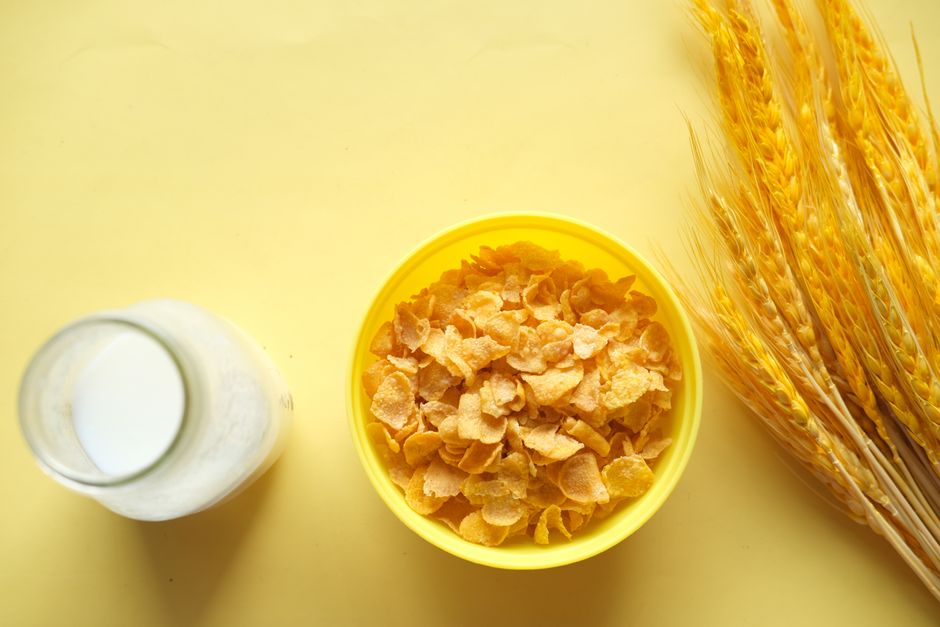
The Result: Bloating, gas, and worsening diarrhea. That bowl of cereal or slice of pizza might seem harmless, but your gut is currently ill-equipped to handle it.
What to eat instead: Stick to clear liquids or, if you’re feeling a bit better, try a small amount of lactose-free yogurt with live cultures. The probiotics in yogurt can actually help replenish the “good” bacteria in your gut, provided it doesn’t have too much added sugar.
2. Greasy and Fried Foods
We all love a good burger or a side of crispy fries, but when your stomach is sensitive, fat is your worst enemy. Fried foods are incredibly high in fat, which takes a long time to move through the digestive tract. This is known as “delayed gastric emptying.”
The Result: When food sits in your stomach for too long because it’s too fatty to process, it can lead to acid reflux and a heavy, nauseous feeling that just won’t go away.
What to eat instead: Choose steamed or boiled options. A plain piece of boiled chicken or a steamed potato provides the energy you need without the heavy fat content that triggers nausea.
3. Spicy Seasonings and Hot Peppers
I’m a huge fan of hot sauce, but there is a time and a place for it—and an upset stomach isn’t it. Spicy foods contain a compound called capsaicin. While capsaicin has many health benefits, it is also a known irritant to the stomach lining.
The Result: If your stomach is already inflamed, adding spice is like throwing gasoline on a fire. It can cause burning sensations, cramping, and can speed up the “transit time” of food, leading to more trips to the bathroom.
What to eat instead: Keep it bland. Use a tiny bit of salt for flavor, but skip the peppers, chili flakes, and garlic powder. Think “nursery food”—mild and unexciting is exactly what your stomach wants right now.
4. Raw Vegetables and High-Fiber Foods
This one sounds counterintuitive because we’re always told to eat more fiber. However, fiber is hard work for your stomach to break down. Raw vegetables like broccoli, cauliflower, and cabbage are particularly difficult because they contain complex sugars that cause gas.
The Result: Eating a big raw salad while your stomach is cramping will likely lead to more bloating and sharp gas pains. Your body has to work overtime to ferment and break down those tough fibers.
What to eat instead: Cooked vegetables are much easier on the system. Think peeled, boiled carrots or a well-cooked zucchini. Peeling the skins off fruits and veggies is key because the skin is where most of the tough fiber lives.
5. Caffeine and Coffee
For many of us, coffee is a non-negotiable part of the morning. But when your stomach is in knots, that cup of joe is doing you no favors. Caffeine is a stimulant, not just for your brain, but for your digestive tract as well. It acts as a laxative, which is the last thing you need if you’re already dealing with a loose stomach.
The Result: Coffee is also highly acidic, which can irritate an already sensitive stomach lining and cause heartburn.
What to eat (or drink) instead: Herbal teas are your best friend here. Peppermint tea or ginger tea are world-renowned for their ability to soothe stomach muscles and reduce nausea. Just make sure they are caffeine-free!
6. Sugary Drinks and Sodas
You might have heard that sipping on a ginger ale or a cola is good for an upset stomach. This is an old wives’ tale that needs to be retired. Most modern sodas are packed with high-fructose corn syrup and carbonation.
The Result: Sugar can draw water into the intestines, making diarrhea worse. Meanwhile, the bubbles from the carbonation can lead to painful bloating and gas.
What to eat (or drink) instead: If you want something other than plain water, try an oral rehydration solution (like Pedialyte) or coconut water. These provide electrolytes without the massive sugar dump or the gas-inducing bubbles.
7. Acidic Citrus Fruits
Oranges, lemons, limes, and grapefruits are packed with Vitamin C, which is great for your immune system, but they are also very acidic. When your stomach is upset, the acid in these fruits can cause further irritation and reflux.
The Result: Drinking a big glass of orange juice on an empty, upset stomach can lead to a gnawing, burning pain in the upper abdomen.
What to eat instead: Bananas are the gold standard here. They are non-acidic, easy to chew, and contain potassium, which you likely need if you’ve been losing fluids.
8. Alcohol
This might seem obvious, but it’s worth mentioning. Alcohol is a toxin that irritates the stomach lining and interferes with the way your liver processes nutrients. It also dehydrates you, which is dangerous when you’re already losing fluids through vomiting or diarrhea.
The Result: Alcohol can delay healing and make any nausea feel significantly more intense.
What to eat (or drink) instead: Plain, room-temperature water. Sip it slowly. If you can’t keep water down, try sucking on ice chips to stay hydrated without overwhelming your stomach.
What To Eat Instead: The Road to Recovery
Now that we’ve covered the 8 Foods To Avoid With an Upset Stomach and What To Eat Instead, let’s look at a simple plan for reintroducing food. The most famous approach is the BRAT Diet, which stands for:
- Bananas: Easy to digest and rich in potassium.
- Rice: Plain white rice is low in fiber and helps “bind” things together.
- Applesauce: Provides a bit of sugar for energy but is much easier to digest than a whole apple.
- Toast: Plain white toast (no butter!) provides simple carbohydrates for energy.
While the BRAT diet is a great starting point, you don’t have to stay on it forever. As you start to feel better, you can add in “low-residue” foods like saltine crackers, plain noodles, or soft-boiled eggs. The key is to listen to your body. If you take a bite of something and your stomach immediately grumbles in protest, stop eating and go back to clear liquids for a few hours.
Real-World Example: A Day of Recovery
Imagine you woke up feeling terrible. Here is how you might navigate your meals:
- Morning: A few sips of lukewarm ginger tea and two plain saltine crackers.
- Mid-day: A small bowl of white rice cooked in a little bit of chicken broth for flavor and electrolytes.
- Afternoon: Half a banana and plenty of sips of water.
- Evening: A small piece of steamed chicken breast (no skin) and a well-cooked, peeled carrot.
Key Takeaways
- Avoid Irritants: Stay away from spice, acid, and caffeine until you are 100% back to normal.
- Fat is the Enemy: Greasy foods will slow down your recovery and make you feel heavier and more nauseous.
- Hydration is Priority #1: If you can’t eat, don’t force it, but you must keep sipping water or electrolyte drinks.
- Think Bland: If it looks like something you’d feed a toddler, it’s probably safe for your upset stomach.
- Temporary Dairy Fast: Even if you love cheese, give it a rest for 48 hours to let your gut enzymes recover.
Frequently Asked Questions
How long should I wait to eat after vomiting?
Generally, it is best to wait about 2 to 4 hours after the last time you vomited before trying to eat anything solid. Start with small sips of water or clear broth first. If you can keep those down for an hour, try a cracker or a bite of toast.
Can I drink ginger ale for my stomach?
While ginger is great for nausea, most commercial ginger ales contain very little real ginger and a lot of carbonation and sugar. It’s much better to drink ginger tea or chew on a small piece of fresh ginger.
When should I see a doctor for an upset stomach?
If your symptoms last more than 48 hours, if you have a high fever, if you see blood in your stool, or if you show signs of severe dehydration (like not urinating or feeling extremely dizzy), you should seek medical attention immediately.
Is oatmeal okay for an upset stomach?
Yes, but keep it simple. Make it with water instead of milk, and avoid adding lots of sugar or heavy toppings. Plain, well-cooked oatmeal can be very soothing and provides gentle fiber to help stabilize your digestion.
Recovering from an upset stomach is all about patience. It’s tempting to jump back into your normal diet the moment you feel a tiny bit better, but your digestive system needs time to repair itself. By following this guide on the 8 Foods To Avoid With an Upset Stomach and What To Eat Instead, you’ll be giving your body the best chance to heal quickly and efficiently. Feel better soon!
Written with love and assistance and refined for quality.
{“@context”:”https://schema.org”,”@type”:”Article”,”headline”:”8 Foods To Avoid With an Upset Stomach and What To Eat Instead”,”description”:”In this article, weu2019ll explore: 8 Foods To Avoid With an Upset Stomachand What To Eat Instead and why it…”,”author”:{“@type”:”Person”,”name”:”Dr. Cuterus”},”datePublished”:”2026-05-27T11:24:36+00:00″,”dateModified”:”2026-05-27T11:24:36+00:00″,”mainEntityOfPage”:”https://healthyworldz.com/8-foods-to-avoid-with-an-upset-stomach-and-what-to-eat-instead-24/”,”image”:[“https://healthyworldz.com/wp-content/uploads/2026/05/8-foods-to-avoid-with-an-upset-stomachand-what-to-eat-instead-157.jpg”]}
🔗 Related: Hormonal mechanisms of womens risk in…
🔗 Related: 8 Foods To Avoid With an…