In this article, we’ll explore: BcozSheMatters: WHO Health Ministry roll out campaign on women and girls health and well-being and why it matters today.
Related:
👉 Why PCOS Makes Pregnancy Tough: The Science of Endometrial Receptivity and Histone Lactylation
👉 Why Closing the Diagnostics Gap is the Secret to Transforming Women’s Healthcare
👉 Why Her Health is Our Priority: Everything You Need to Know About the BcozSheMatters Campaign
Have you ever noticed how, in many households, the mother or the daughter is the last person to sit down for a meal? Or how a woman might ignore a persistent ache in her back because she’s too busy making sure everyone else’s doctor appointments are scheduled? It’s a story we see across the globe, from bustling cities to quiet rural villages. But a new shift is happening, and it’s one that promises to put the spotlight exactly where it belongs: on the health and vitality of women and girls.
The World Health Organization (WHO) and the Ministry of Health have recently joined forces to launch a groundbreaking initiative. The campaign, titled BcozSheMatters: WHO Health Ministry roll out campaign on women and girls health and well-being, isn’t just another government program. It is a movement designed to bridge the gap in healthcare equity and ensure that no woman is left behind simply because of her gender or her postal code.
In this post, we’re going to dive deep into what this campaign actually means for the average person, why it’s a game-changer, and how it aims to transform the future of public health.
What Exactly is the #BcozSheMatters Campaign?
At its heart, the BcozSheMatters: WHO Health Ministry roll out campaign on women and girls health and well-being is a multi-layered strategy. It’s not just about building more clinics (though that’s part of it); it’s about changing the cultural conversation around health. For too long, “women’s health” was a term limited to pregnancy and childbirth. While maternal health is vital, this campaign recognizes that a woman’s well-being encompasses so much more.
The campaign focuses on a “Life-Course Approach.” This means looking at health from the moment a girl is born, through her adolescent years, her reproductive years, and into her senior years. It acknowledges that the nutritional needs of a ten-year-old girl directly impact her health when she’s forty. By taking this long-term view, the WHO and the Health Ministry are moving away from “reactive” medicine and toward “proactive” wellness.
A Shift from Treatment to Empowerment
One of the most refreshing aspects of this rollout is the focus on empowerment. The campaign isn’t just telling women what to do; it’s providing them with the tools and knowledge to take charge of their own bodies. This includes digital health literacy, access to affordable screenings, and breaking the taboos that often surround female biology.
The Core Pillars of the Campaign
To understand the scale of this initiative, we need to look at the specific areas it targets. The BcozSheMatters: WHO Health Ministry roll out campaign on women and girls health and well-being is built on several key pillars:
- Nutritional Security: Addressing anemia and malnutrition in young girls to prevent long-term health complications.
- Reproductive and Sexual Health: Expanding access to safe contraception, maternal care, and cervical cancer screenings.
- Mental Health and Resilience: Creating safe spaces for women to discuss anxiety, depression, and the unique stressors they face in society.
- Non-Communicable Diseases (NCDs): Increasing awareness about heart disease and diabetes, which often present differently in women than in men.
- Menstrual Hygiene Management: Ensuring that every girl has access to clean facilities and products so that her education isn’t interrupted by her period.
Real-World Impact: The Story of Anjali
To see why this campaign is so necessary, let’s look at a real-world example. Meet Anjali, a 32-year-old woman living in a suburban neighborhood. Anjali works as a teacher and has two young children. For months, she felt a small lump in her breast. However, between her job and her family, she felt that going to a specialist was a “luxury” of time and money she didn’t have. She also felt a sense of fear—if something was wrong, who would take care of the kids?
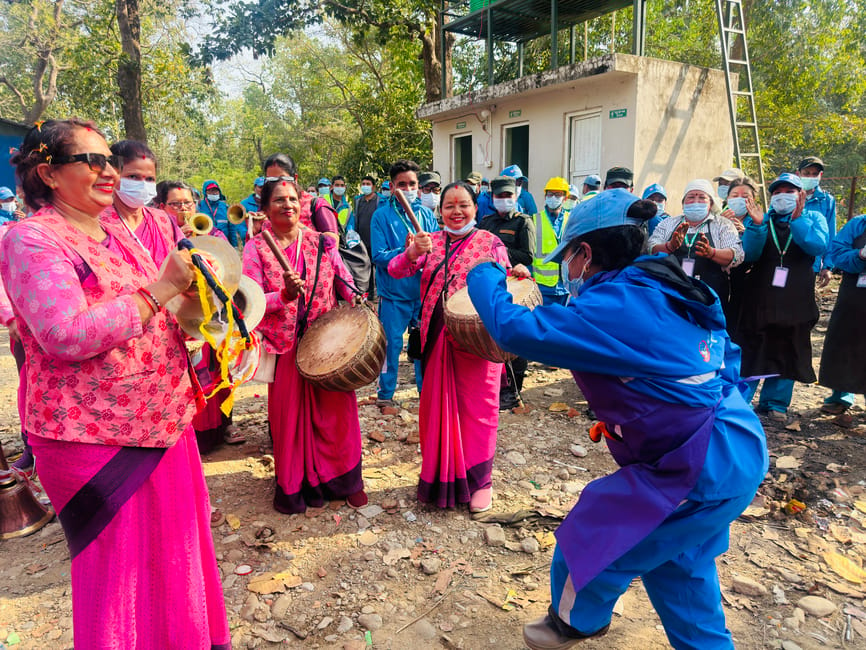
Under the new BcozSheMatters: WHO Health Ministry roll out campaign on women and girls health and well-being, Anjali’s local community center hosted a “Wellness Saturday.” It was a free, walk-in clinic specifically designed for working women. Because the campaign had normalized these check-ups through local radio ads and social media, Anjali felt encouraged rather than scared. She went in, got a screening, and fortunately, the lump was benign. But more importantly, she was taught how to do self-exams and was given a schedule for future check-ups.
This is the “BcozSheMatters” effect in action. It’s about removing the barriers of cost, time, and stigma so that women like Anjali feel empowered to prioritize themselves.
Why Now? The Post-Pandemic Reality
You might be wondering, “Why is the WHO launching this now?” The truth is, the last few years have been incredibly tough on women’s health. During the global pandemic, many resources were diverted away from routine screenings and maternal care. Statistics show that women were more likely to skip their annual exams during this period, and the mental health toll on women—who often took on the bulk of caregiving and homeschooling—was immense.
The BcozSheMatters: WHO Health Ministry roll out campaign on women and girls health and well-being is a direct response to this “health debt.” It is an urgent attempt to catch up and build a more resilient system that can withstand future crises without sacrificing the needs of half the population.
Breaking the Silence on Mental Health
One of the most significant parts of this campaign is the emphasis on mental well-being. For centuries, women have been expected to “just get on with it.” Whether it’s postpartum depression, the stress of the “double burden” (working and managing a home), or the hormonal shifts of menopause, these issues were often suffered in silence.
The WHO and Health Ministry are rolling out community-based support groups and tele-health counseling services. By naming these struggles and providing professional support, the campaign is telling women: “Your mental health isn’t a secondary concern. It is the foundation of your overall health.”
The Role of Men and Boys
Interestingly, the campaign also reaches out to men and boys. It recognizes that for women’s health to improve, the entire community needs to be on board. When husbands, fathers, and brothers understand the importance of nutrition and healthcare for the women in their lives, the results are much more sustainable. It’s about creating a culture of mutual care.
Key Takeaways from the #BcozSheMatters Initiative
If you’re looking for the “too long; didn’t read” version, here are the most important points to remember about the BcozSheMatters: WHO Health Ministry roll out campaign on women and girls health and well-being:
- Holistic Care: It covers everything from physical ailments to mental health and nutrition.
- Accessibility: The goal is to make healthcare affordable and physically reachable for women in all geographic locations.
- Education: A huge part of the campaign is about debunking myths and providing accurate health information.
- Policy Change: It’s not just a PR campaign; it involves actual changes in how the Health Ministry allocates funds and resources.
- Community Involvement: Success depends on local leaders, families, and individuals taking the message to heart.
How You Can Support the Movement
You don’t have to be a doctor or a politician to make a difference. The success of the BcozSheMatters: WHO Health Ministry roll out campaign on women and girls health and well-being depends on grassroots support. Here is how you can help:
- Spread the Word: Share information about free screenings or health workshops in your local area.
- Check on the Women in Your Life: Sometimes a simple “Have you had your check-up this year?” can be the nudge someone needs.
- Educate Yourself: Learn about the unique health risks women face at different ages so you can be an advocate for your own health or the health of your loved ones.
- Support Local Clinics: If you have the means, volunteer or donate to organizations that provide hygiene products or health services to underserved girls.
Looking Toward a Healthier Future
The launch of this campaign is a beacon of hope. It signals a future where a girl’s potential isn’t limited by her health, and where a woman doesn’t have to choose between her family’s needs and her own survival. The BcozSheMatters: WHO Health Ministry roll out campaign on women and girls health and well-being is a reminder that when we invest in the health of women, we are actually investing in the health of the entire world.
Healthy women lead to healthy families, which lead to thriving communities, and ultimately, a more prosperous society. It’s a ripple effect that starts with a single screening, a single meal, and a single conversation. Because at the end of the day, she matters—not just for what she does for others, but for who she is.
Frequently Asked Questions (FAQ)
1. Who is eligible for the services under the BcozSheMatters campaign?
The campaign is designed to be inclusive, targeting women and girls of all ages, socioeconomic backgrounds, and regions. While some specific programs might focus on underserved or rural areas, the general awareness and educational resources are available to everyone.
2. Does this campaign only focus on pregnancy?
No! While maternal health is a major pillar, the campaign covers a wide range of issues including mental health, nutrition, non-communicable diseases (like heart disease), and menstrual hygiene. It follows a “life-course” approach from childhood through old age.
3. How can I find a BcozSheMatters clinic or event near me?
You can check the official website of your local Health Ministry or the WHO regional office. Many events are also advertised through community centers, local radio stations, and social media using the hashtag #BcozSheMatters.
4. Is there a cost associated with the screenings?
One of the primary goals of the BcozSheMatters: WHO Health Ministry roll out campaign on women and girls health and well-being is to provide low-cost or free essential screenings to ensure that financial status is not a barrier to healthcare.
5. Why is the Health Ministry involved alongside the WHO?
The WHO provides the global expertise and guidelines, while the Health Ministry handles the local implementation, staffing, and infrastructure. This partnership ensures that global health standards are met using local resources and knowledge.
Written with love and assistance and refined for quality.
{“@context”:”https://schema.org”,”@type”:”Article”,”headline”:”Why Every Voice Counts: The Impact of BcozSheMatters: WHO Health Ministry roll out campaign on women and girls health and well-being”,”description”:”In this article, weu2019ll explore: BcozSheMatters: WHO Health Ministry roll out campaign on women and girls health and well-being and…”,”author”:{“@type”:”Person”,”name”:”Dr. Cuterus”},”datePublished”:”2026-05-30T17:04:09+00:00″,”dateModified”:”2026-05-30T17:04:09+00:00″,”mainEntityOfPage”:”https://healthyworldz.com/why-every-voice-counts-the-impact-of-bcozshematters-who-health-ministry-roll-out-campaign-on-women-and-girls-health-and-well-being/”,”image”:[“https://healthyworldz.com/wp-content/uploads/2026/05/bcozshematters-who-health-ministry-roll-out-campaign-on-women-and-girls-health-and-well-being-40.jpg”]}
🔗 Related: Hormonal mechanisms of womens risk in…
🔗 Related: Hormonal mechanisms of womens risk in…
🔗 Related: Hormonal mechanisms of womens risk in…