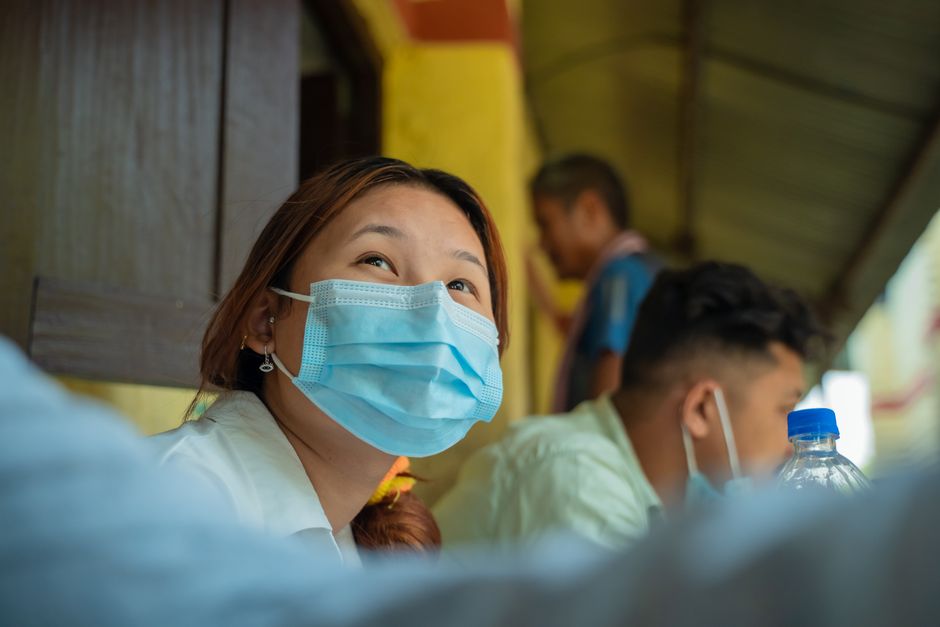
In this article, we’ll explore: BcozSheMatters: WHO Health Ministry roll out campaign on women and girls health and well-being and why it matters today.
Related:
👉 The Biology of Resilience: Understanding Hormonal Mechanisms of Womens Risk in the Face of Traumatic Stress
👉 Closing the Gap: Why It’s Time to Redesign the Healthcare System for Women
👉 Why Her Health is Our Future: Inside the BcozSheMatters: WHO Health Ministry roll out campaign on women and girls health and well-being
Imagine a world where every woman, regardless of where she lives or how much she earns, has the tools to live her healthiest life. Imagine a young girl in a remote village who doesn’t have to miss school because of her period, or a first-time mother in a crowded city who feels fully supported through her pregnancy and beyond. This isn’t just a dream anymore—it’s the mission behind a massive new movement.
The World Health Organization (WHO) and various Health Ministries have officially joined forces to launch a groundbreaking initiative. Known as BcozSheMatters: WHO Health Ministry roll out campaign on women and girls health and well-being, this project is more than just a series of posters or social media posts. It is a comprehensive, heart-centered effort to close the gap in healthcare equality.
In this post, we’re going to dive deep into what this campaign actually means for you, your family, and the global community. We’ll look at the pillars of the program, the real-world stories that inspired it, and why focusing on women’s health is the single best investment a society can make.
What Exactly is the BcozSheMatters Campaign?
At its core, the BcozSheMatters campaign is a global call to action. For too long, women’s health has been sidelined or narrowed down to just “reproductive health.” While having a safe birth is incredibly important, a woman’s well-being encompasses so much more. It includes her mental health, her nutritional status, her heart health, and her right to live free from violence.
The WHO and the Health Ministry realized that to truly improve the health of a nation, you have to start with the women. Why? Because women are often the primary caregivers, the backbone of the workforce, and the heart of the family. When a woman is healthy, her children are more likely to stay in school, her household is more financially stable, and her community thrives.
The Vision Behind the Movement
The campaign aims to dismantle the barriers that prevent women from seeking care. These barriers aren’t just physical—like a lack of clinics—but also social and economic. By using the slogan “BcozSheMatters,” the initiative reminds everyone that a woman’s health is a priority, not an afterthought.
The Core Pillars of the Campaign
The BcozSheMatters: WHO Health Ministry roll out campaign on women and girls health and well-being isn’t a one-size-fits-all solution. It’s built on several key pillars designed to address the unique challenges girls and women face at different stages of their lives.
- Maternal and Newborn Excellence: Ensuring that every pregnancy is wanted and every birth is safe. This includes better access to prenatal vitamins, skilled midwives, and postnatal mental health support.
- Menstrual Health and Dignity: Breaking the stigma around periods. The campaign works to provide affordable hygiene products and clean facilities in schools so girls never have to choose between their education and their bodies.
- Mental Health Support: Addressing the high rates of anxiety and depression among women, often caused by societal pressures, domestic stress, or hormonal changes.
- Preventive Screenings: Making it easier for women to get screened for breast cancer, cervical cancer, and cardiovascular diseases early on.
- Nutrition and Lifestyle: Educating families on the importance of iron-rich diets and physical activity to combat anemia and obesity-related illnesses.
A Real-World Story: Meet Anjali
To understand why this campaign is so vital, let’s look at the story of Anjali, a 24-year-old living in a suburban neighborhood. Anjali recently had her first child. While she was physically healing, she felt an overwhelming sense of sadness and exhaustion that she couldn’t explain. She felt guilty for not being “happy” as a new mother.
In the past, Anjali might have suffered in silence because of the stigma surrounding postpartum depression. However, through a local clinic supported by the BcozSheMatters initiative, she was approached by a community health worker. This worker didn’t just check the baby’s weight; she asked Anjali, “How are you feeling?”
That simple question opened the door to counseling and support groups. Today, Anjali is thriving, and her baby is growing up in a happy, healthy home. This is the “BcozSheMatters” effect in action. It’s about seeing the human being behind the patient.
Breaking the Taboos: Menstrual Hygiene and Education
One of the most courageous parts of the BcozSheMatters: WHO Health Ministry roll out campaign on women and girls health and well-being is its focus on menstrual health. In many parts of the world, periods are still spoken about in whispers. This silence leads to infections, school dropouts, and a lack of confidence.
The campaign is rolling out “Dignity Kits” in schools and community centers. These kits contain reusable pads, soap, and educational brochures. By normalizing the conversation around menstruation, the WHO is empowering young girls to take pride in their bodies rather than feeling ashamed of a natural biological process.
Education is the Best Medicine
It’s not just about giving out supplies; it’s about knowledge. The campaign includes workshops for fathers and brothers, too. When men understand the health needs of the women in their lives, they become allies. This shift in perspective is crucial for long-term cultural change.
The Economic Impact: Why Investing in Women Saves Money
Some critics might ask, “Why a specific campaign for women?” The answer is simple: it makes economic sense. According to global health data, for every dollar invested in women’s health, there is a many-fold return in economic growth.
When women are healthy, they can participate fully in the workforce. They can start businesses, lead companies, and contribute to the GDP. Conversely, when women’s health is neglected, the cost of emergency care and lost productivity is staggering. The BcozSheMatters campaign is a smart strategy for a more prosperous future for everyone.
How Technology is Powering the Campaign
We live in a digital age, and the WHO and Health Ministry are using this to their advantage. A major part of the BcozSheMatters rollout involves mobile health (mHealth). In areas where doctors are scarce, women can now use SMS services to receive health tips, vaccination reminders for their children, and even “tele-consultations” with specialists.
There is also a new app being tested that allows women to track their symptoms, learn about nutrition, and find the nearest “She-Friendly” health center. This use of technology ensures that even those in remote areas are not left behind.
Key Takeaways from the BcozSheMatters Initiative
- Holistic Approach: The campaign covers everything from puberty to menopause, ensuring no stage of a woman’s life is ignored.
- Community-Led: It relies on local health workers who understand the specific cultural needs of their neighbors.
- Policy Change: Beyond awareness, the campaign pushes for laws that protect women’s health rights in the workplace and in society.
- Inclusive: It focuses on the most vulnerable—refugees, women with disabilities, and those in extreme poverty.
How You Can Get Involved
You don’t have to be a doctor or a government official to support the BcozSheMatters: WHO Health Ministry roll out campaign on women and girls health and well-being. Here is how you can help:
1. Share the Knowledge
Use your social media platforms to share accurate health information. Use the hashtag #BcozSheMatters to join the global conversation.
2. Support Local Charities
Look for organizations in your area that provide menstrual products or maternal support and offer your time or a small donation.
3. Start Conversations
Talk to your daughters, sisters, and friends about the importance of regular check-ups. Encourage the women in your life to prioritize their own well-being.
Conclusion: A Healthier Future for All
The BcozSheMatters: WHO Health Ministry roll out campaign on women and girls health and well-being is a beacon of hope. It reminds us that when we uplift women, we uplift humanity. It’s a recognition that a woman’s health is not just her own concern—it is a global priority.
As this campaign rolls out across the globe, we can expect to see lower maternal mortality rates, higher school attendance for girls, and a more resilient healthcare system. Because at the end of the day, we do this not just because it’s a policy or a project, but simply because she matters.
Frequently Asked Questions (FAQ)
What is the main goal of the BcozSheMatters campaign?
The main goal is to provide comprehensive, accessible, and dignified healthcare for women and girls globally, focusing on maternal health, mental well-being, and preventive care.
Who is funding this initiative?
The campaign is a collaborative effort funded by the WHO, national Health Ministries, and various international non-profit partners and private donors.
Does the campaign only focus on developing countries?
No. While the challenges might differ, the campaign is global. In developed nations, it might focus more on mental health and reproductive rights, while in developing nations, the focus might be on basic hygiene and maternal safety.
How can I find out if there are BcozSheMatters events in my city?
You can visit the official WHO website or your local Ministry of Health’s social media pages for updates on local workshops, clinics, and events.
Is the campaign inclusive of women with disabilities?
Yes, inclusivity is a core pillar. The campaign aims to make healthcare facilities physically accessible and provides health information in various formats (like Braille or sign language) to ensure no one is left out.
Written with love and assistance and refined for quality.
{“@context”:”https://schema.org”,”@type”:”Article”,”headline”:”BcozSheMatters: Why the WHO and Health Ministryu2019s New Campaign is a Game-Changer for Women and Girls”,”description”:”In this article, weu2019ll explore: BcozSheMatters: WHO Health Ministry roll out campaign on women and girls health and well-being and…”,”author”:{“@type”:”Person”,”name”:”Dr. Cuterus”},”datePublished”:”2026-06-02T17:04:48+00:00″,”dateModified”:”2026-06-02T17:04:48+00:00″,”mainEntityOfPage”:”https://healthyworldz.com/bcozshematters-why-the-who-and-health-ministrys-new-campaign-is-a-game-changer-for-women-and-girls-2/”,”image”:[“https://healthyworldz.com/wp-content/uploads/2026/06/bcozshematters-who-health-ministry-roll-out-campaign-on-women-and-girls-health-and-well-being-6.jpg”]}
🔗 Related: Hormonal mechanisms of womens risk in…
🔗 Related: Why womens health needs a system…