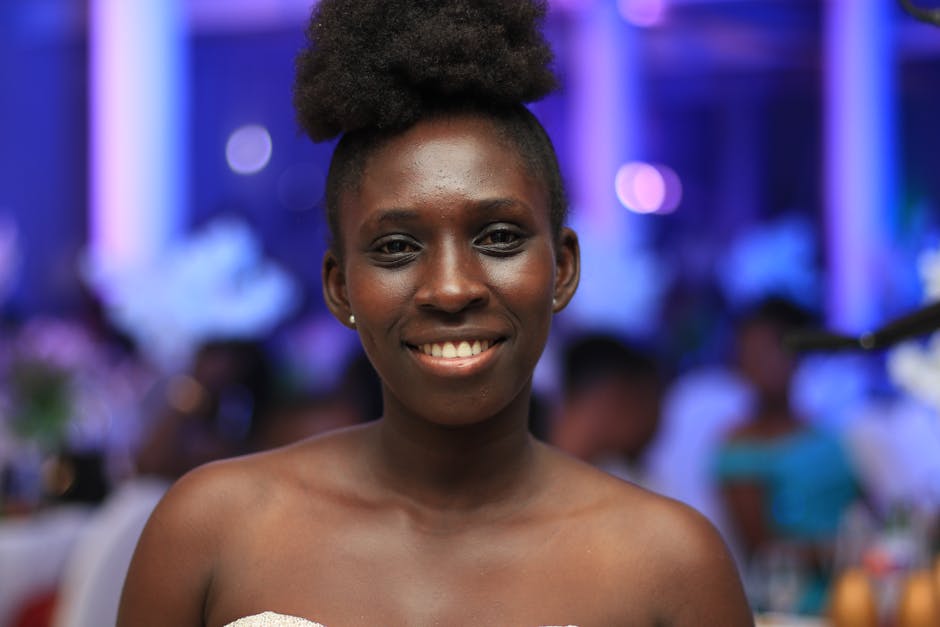
In this article, we’ll explore: BcozSheMatters: WHO Health Ministry roll out campaign on women and girls health and well-being and why it matters today.
Related:
👉 It’s Time to Stop Guessing: Why Women’s Health Needs a System Redesign to Close the Diagnostics Gap
👉 Why Women Process Trauma Differently: A Deep Dive into Hormones and Stress
👉 BcozSheMatters: Why the WHO and Health Ministry’s New Campaign is a Game-Changer for Women and Girls
Learn more: BcozSheMatters: WHO Health Ministry roll out campaign on women and girls health and well-being on Wikipedia
Think about the women in your life for a moment. Your mother, your sister, your best friend, or perhaps the woman you see in the mirror every morning. For too long, women’s health has been treated as a “niche” topic, often sidelined or reduced to just one or two specific issues. But the reality is that when a woman is healthy, her family thrives, her community grows stronger, and the entire economy gets a boost.
That is exactly why the latest announcement has sent a wave of hope through the global health community. The BcozSheMatters: WHO Health Ministry roll out campaign on women and girls health and well-being is not just another government program. It is a loud, clear statement that the well-being of women and girls is a global priority that can no longer wait.
In this post, we’re going to dive deep into what this campaign actually means, why it’s happening now, and how it’s designed to change lives on the ground. This isn’t just about policy papers; it’s about real people, real health, and a future where no girl is left behind.
What is the BcozSheMatters Campaign All About?
At its core, the BcozSheMatters initiative is a collaborative effort between the World Health Organization (WHO) and various Ministries of Health. The goal? To create a holistic, 360-degree approach to female health. Instead of looking at health issues in isolation, this campaign recognizes that a girl’s health at age five affects her health at age twenty-five, and her well-being in her senior years.
The campaign focuses on several key pillars:
- Preventative Care: Moving from “treating sickness” to “maintaining wellness.”
- Mental Health: Breaking the stigma surrounding anxiety, depression, and postpartum struggles.
- Nutritional Security: Ensuring girls have the fuel they need to grow and learn.
- Reproductive and Maternal Health: Making sure every pregnancy is safe and every choice is informed.
- Digital Health Access: Using technology to reach women in remote areas who have historically been cut off from quality care.
The “BcozSheMatters: WHO Health Ministry roll out campaign on women and girls health and well-being” is designed to be a grassroots movement. It’s about making sure that the woman in a rural village has the same access to life-saving screenings as a woman living in a major metropolitan city.
The Human Side: Why This Matters Now
Let’s talk about Sarah. Sarah is a 28-year-old mother of two living in a small town. She works a full-time job, manages the household, and cares for her aging parents. Like many women, Sarah often puts her own health at the bottom of the “to-do” list. She ignores that persistent fatigue, skips her annual check-ups because she “doesn’t have time,” and pushes through her stress without a second thought.
The BcozSheMatters campaign is built for women like Sarah. It aims to restructure health systems so that they are more accessible, less intimidating, and more integrated into the daily lives of women. When the Health Ministry rolls out these initiatives, they aren’t just opening clinics; they are creating support systems that say, “Your health is the foundation of everything else you do.”
Breaking the Silence on Mental Well-being
For decades, mental health was the “elephant in the room.” Women are statistically more likely to experience certain types of mental health challenges, yet they are often the least likely to seek help due to societal pressure to “hold it all together.”
The WHO and Health Ministry are putting a massive emphasis on mental health within this campaign. They are training frontline health workers to recognize the signs of burnout and depression, and they are launching community-led support groups. The message is simple: You don’t have to carry the weight of the world on your shoulders alone.
The Power of Prevention: Beyond the Doctor’s Office
One of the most exciting parts of the BcozSheMatters: WHO Health Ministry roll out campaign on women and girls health and well-being is its focus on education. Health doesn’t just happen at the doctor’s office; it happens in the kitchen, in the schoolyard, and in the workplace.
The campaign is rolling out massive awareness programs focused on:
- Cervical Cancer Screening: Early detection is a lifesaver, yet many women don’t have access to regular Pap smears or HPV vaccines. This campaign aims to bridge that gap.
- Menstrual Hygiene: Ensuring that girls don’t miss school because they lack basic sanitary products or clean facilities. This is a matter of dignity and education as much as it is a matter of health.
- Non-Communicable Diseases (NCDs): Heart disease and diabetes are rising among women globally. Education on nutrition and physical activity is a core part of the BcozSheMatters strategy.
A Story of Change: The Impact on Young Girls
Consider a 12-year-old girl named Amina. In many parts of the world, reaching puberty can mean the end of a girl’s education if she doesn’t have the support she needs. Through the BcozSheMatters initiative, Amina’s school receives better facilities and health education. She learns that her body is her own, she understands her health rights, and she stays in school. Ten years from now, Amina will be a healthy, educated adult who contributes to her community. That is the long-term vision of this campaign.
Why Collaboration is the Secret Sauce
You might wonder, “Why does the WHO need to work with the Health Ministry? Can’t they just do it themselves?”
The answer lies in local relevance. The WHO provides the global standards, the research, and the framework. However, every country has its own unique cultural, economic, and geographical challenges. By working directly with local Health Ministries, the BcozSheMatters campaign can be tailored to fit the specific needs of the people it serves.
In some regions, the focus might be on reducing maternal mortality. In others, it might be about tackling the rise of obesity or improving access to contraception. This “Global Vision, Local Action” approach is what makes this campaign different from those that have come before it.
The Role of Technology in BcozSheMatters
We live in a digital age, and the WHO is leaning into that. The campaign includes a significant “Digital Health” component. We’re talking about mobile apps that track maternal health, SMS services that send vaccination reminders, and tele-health platforms that allow women to consult with specialists without traveling for hours.
This is especially revolutionary for girls in rural areas. A smartphone can now be a gateway to expert medical advice, empowering women with knowledge and reducing the fear that often comes with health issues.
Key Takeaways from the BcozSheMatters Initiative
If you’re looking for the “too long; didn’t read” version, here are the most important points to remember about the BcozSheMatters: WHO Health Ministry roll out campaign on women and girls health and well-being:
- It’s Holistic: It covers everything from physical health to mental and emotional well-being.
- It’s Lifelong: The campaign focuses on girls from birth through old age.
- It’s Inclusive: It aims to reach the most vulnerable and marginalized women in society.
- It’s Empowering: By providing education and resources, it gives women the power to take charge of their own health.
- It’s Collaborative: It brings together global expertise and local knowledge for maximum impact.
How Can You Get Involved?
You don’t have to be a doctor or a politician to support this movement. Change often starts with a conversation. Share information about the campaign with your friends and family. Encourage the women in your life to prioritize their check-ups. If you’re an employer, look at your workplace policies—do they support women’s health and well-being?
The BcozSheMatters campaign belongs to all of us. When we support women’s health, we are investing in a better, brighter, and more equitable world for everyone.
Frequently Asked Questions (FAQ)
1. Who is the primary target of the BcozSheMatters campaign?
The campaign is designed for women and girls of all ages, from infancy through senior years. It specifically aims to reach those in underserved or rural communities where healthcare access is limited.
2. Is this campaign only happening in certain countries?
While the WHO provides a global framework, the roll-out happens through individual national Health Ministries. Many countries have already signed on, and the goal is for it to become a worldwide standard for women’s healthcare.
3. How does BcozSheMatters address mental health?
The campaign integrates mental health into primary care. This means that when a woman visits a clinic for a physical issue, she is also screened for mental well-being. It also focuses on community awareness to reduce the stigma of seeking help.
4. Does the campaign focus on reproductive rights?
Yes, reproductive health is a major pillar. The campaign focuses on providing accurate information, safe maternal care, and access to family planning resources so women can make informed decisions about their bodies.
5. How can I stay updated on the campaign’s progress?
You can follow the official websites of the WHO and your local Ministry of Health. They often share updates, success stories, and new resources under the #BcozSheMatters hashtag on social media.
In the end, the BcozSheMatters campaign is a reminder that health is a human right, not a luxury. By focusing on the unique needs of women and girls, the WHO and Health Ministries are laying the groundwork for a healthier, more resilient global population. Because at the end of the day, she matters—to her family, to her community, and to the world.
Written with love and assistance and refined for quality.
{“@context”:”https://schema.org”,”@type”:”Article”,”headline”:”BcozSheMatters: Why the New WHO and Health Ministry Campaign is a Game-Changer for Women Everywhere”,”description”:”In this article, weu2019ll explore: BcozSheMatters: WHO Health Ministry roll out campaign on women and girls health and well-being and…”,”author”:{“@type”:”Person”,”name”:”Dr. Cuterus”},”datePublished”:”2026-06-02T20:04:58+00:00″,”dateModified”:”2026-06-02T20:04:58+00:00″,”mainEntityOfPage”:”https://healthyworldz.com/bcozshematters-why-the-new-who-and-health-ministry-campaign-is-a-game-changer-for-women-everywhere-9/”,”image”:[“https://healthyworldz.com/wp-content/uploads/2026/06/bcozshematters-who-health-ministry-roll-out-campaign-on-women-and-girls-health-and-well-being-7.jpg”]}
🔗 Related: Why Am I Losing Inches But…
🔗 Related: Making sense of the widening gender…
🔗 Related: Hormonal mechanisms of womens risk in…