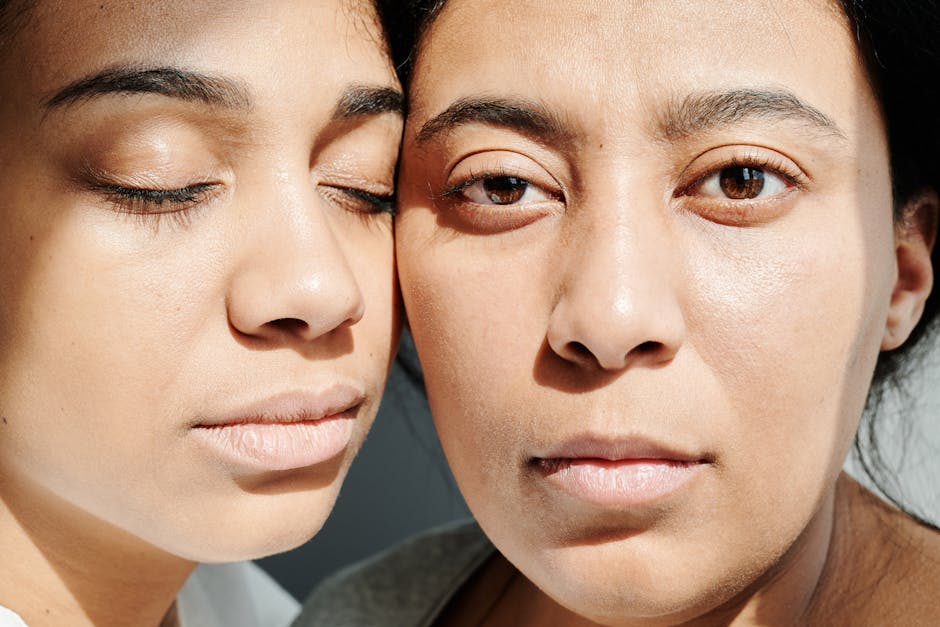
In this article, we’ll explore: Hormonal mechanisms of womens risk in the face of traumatic stress and why it matters today.
Related:
👉 It’s Not Just in Your Head: Why Women’s Health Needs a System Redesign to Close the Diagnostics Gap
👉 Why Does Trauma Hit Differently? Understanding the Hormonal Mechanisms of Women’s Risk in the Face of Traumatic Stress
👉 Why Her Story is Different: Understanding the Hormonal Mechanisms of Women’s Risk in the Face of Traumatic Stress
Learn more: Hormonal mechanisms of womens risk in the face of traumatic stress on Investopedia
Imagine two people—a man and a woman—standing on a busy street corner when a car swerves onto the sidewalk, narrowly missing them both. In the immediate aftermath, both feel their hearts racing, their palms sweating, and their breathing turn shallow. But as the weeks turn into months, their paths to recovery might look very different. Statistics consistently show that women are about twice as likely as men to develop Post-Traumatic Stress Disorder (PTSD) following a traumatic event. For a long time, society chalked this up to “emotional differences” or social conditioning. However, modern science is telling a much more complex and fascinating story.
It turns out, the way a woman’s body processes a terrifying event isn’t just about her personality or her past—it’s deeply rooted in her biology. When we look at the hormonal mechanisms of womens risk in the face of traumatic stress, we find a delicate chemical dance that influences how the brain records fear and how it eventually tries to let that fear go. Understanding this isn’t just for scientists in lab coats; it’s vital for every woman who has ever wondered why her body seems to “hold onto” stress longer than others.
It’s Not Just “In Your Head”—It’s in Your Hormones
When we talk about trauma, we often focus on the brain. We talk about the amygdala (the brain’s alarm bell) and the hippocampus (the memory center). But these brain regions don’t work in a vacuum. They are constantly being bathed in a soup of hormones that change depending on the time of the month, life stage, and even the time of day.
The primary reason women may face a higher risk when dealing with traumatic stress is that their stress-response systems are intimately linked with their reproductive hormones. Specifically, estrogen and progesterone play a massive role in how the brain handles “fear extinction”—the process of learning that a previously dangerous situation is now safe.
The Role of Estrogen: The Brain’s Protective Shield
Estrogen is often thought of as a “female hormone” responsible for reproductive health, but it’s actually a powerful neuroprotector. In the brain, estrogen helps regulate the neurotransmitters that keep us calm and focused. However, estrogen levels aren’t constant; they rise and fall throughout the menstrual cycle.
Research suggests that when estrogen levels are high, women are often better at “extinguishing” fear. Their brains can more easily say, “That car crash happened in the past; I am safe now.” But when estrogen is low—such as during the days right before or during a period—the brain’s ability to dampen that fear response is significantly weakened. If a trauma occurs during this “low estrogen” window, the memory may be seared into the brain more deeply, making it harder to shake off later.
The HPA Axis: The Stress Thermostat
To understand the hormonal mechanisms of womens risk in the face of traumatic stress, we have to talk about the Hypothalamic-Pituitary-Adrenal (HPA) axis. Think of the HPA axis as your body’s thermostat for stress. When you encounter a threat, this system kicks in to release cortisol, the “stress hormone.”
In a healthy system, cortisol rises to help you deal with the threat and then drops back down once the danger has passed. However, in many women, this thermostat can become “sticky.” Because of the interplay with estrogen, the HPA axis might overreact or stay “on” for too long. This chronic state of high alert is a major risk factor for developing long-term trauma symptoms.
- Hyper-responsivity: Women often show a more robust cortisol response to social rejection or emotional stress compared to men.
- Negative Feedback Loops: In some cases, the body stops responding to its own “stop” signals, leading to a permanent state of fight-or-flight.
- The Progesterone Connection: Progesterone breaks down into a neurosteroid called allopregnanolone, which usually has a calming effect. If this process is disrupted, anxiety levels can skyrocket.
Real-World Example: Why Timing Matters
Let’s look at a hypothetical example. Meet Sarah and Elena. Both were involved in the same workplace accident. Sarah happened to be in the follicular phase of her cycle (high estrogen), while Elena was in her mid-luteal phase (plummeting estrogen and shifting progesterone).
A month later, Sarah still feels nervous when she walks into the office, but she’s able to work through it. Elena, however, is having intrusive flashbacks and can’t sleep. Because Elena’s brain was in a state of hormonal vulnerability at the moment of the trauma, her “fear extinction” pathways weren’t firing correctly. Her brain “encoded” the trauma as an ongoing threat rather than a past event. This isn’t because Elena is “less tough” than Sarah; it’s because her internal chemistry was in a different state when the alarm went off.
The “Window of Vulnerability”
This concept of the “window of vulnerability” is a game-changer for how we treat women’s mental health. It suggests that the risk of PTSD isn’t just about what happened, but when it happened in relation to a woman’s hormonal cycle. This is why some researchers are now looking into whether giving hormonal support immediately after a trauma could actually prevent PTSD from developing in the first place.
Oxytocin: The Double-Edged Sword
Oxytocin is often called the “cuddle hormone.” It’s what helps mothers bond with their babies and what makes us feel connected to our friends. Generally, women have higher levels of oxytocin than men. While oxytocin is usually great for reducing stress, in the context of trauma, it can be a bit of a double-edged sword.
On one hand, oxytocin encourages women to “tend and befriend”—to seek out social support during stress, which is a powerful healing tool. On the other hand, high levels of oxytocin can actually enhance the memory of a stressful event if that event involved a betrayal of trust or social pain. Because women are biologically wired to value social connection so highly, traumatic events that involve other people (like assault or domestic violence) can be particularly devastating to their hormonal equilibrium.
Key Takeaways: What You Need to Know
Understanding these biological factors is empowering. It moves the conversation away from “What is wrong with me?” to “How is my body trying to protect me?” Here are the main points to remember:
- Hormones dictate the brain’s “Fear Learning”: Estrogen helps the brain realize when a danger has passed. Low estrogen periods can make it harder to “unlearn” fear.
- The HPA Axis is sensitive: Women’s stress-response systems are often more reactive to emotional and social stressors.
- Timing is everything: The phase of the menstrual cycle at the time of a traumatic event can influence the long-term risk of PTSD.
- Biology is not destiny: Recognizing these hormonal mechanisms of womens risk in the face of traumatic stress allows for more targeted, effective treatments like hormone-informed therapy.
Moving Toward Healing
If you are a woman who has experienced trauma, it’s important to realize that your physical response is a highly sophisticated—though sometimes overzealous—biological process. We are moving toward a world where “one size fits all” medicine is a thing of the past. Future treatments for trauma will likely take a woman’s hormonal health into account, perhaps even timing therapy sessions to coincide with phases of the cycle where the brain is most receptive to healing.
In the meantime, self-care that supports hormonal balance—like getting enough sleep, managing blood sugar, and reducing environmental toxins—isn’t just “wellness” talk. It’s a legitimate way to support your brain’s ability to process stress. You aren’t “sensitive” or “weak”; you have a complex biological system that requires specific care and understanding.
Frequently Asked Questions
Does this mean birth control affects how women handle stress?
It’s a great question. Because hormonal contraceptives (like the pill) stabilize estrogen and progesterone levels, they can indeed change how the brain responds to stress. Some studies suggest the pill might actually have a protective effect by preventing the “low estrogen” dips, while others suggest it might dampen the body’s natural ability to regulate cortisol. Research is still ongoing in this area.
Is the risk the same for women after menopause?
Post-menopausal women have lower overall estrogen, which can theoretically increase the risk of anxiety and difficulty with fear extinction. However, the lack of fluctuations can sometimes make the system more predictable. Many women find that managing their stress through HRT (Hormone Replacement Therapy) can significantly improve their emotional resilience during this stage of life.
Can men have these hormonal risks too?
Men have estrogen too, but in much lower amounts. Their primary stress-modulating hormone is testosterone. While testosterone also plays a role in how men handle fear, it doesn’t fluctuate in the same cyclical way that female hormones do, which is one reason why the “risk profile” for men is different.
What can I do if I feel my hormones are making my stress worse?
First, track your symptoms alongside your cycle. If you notice your trauma symptoms (like flashbacks or anxiety) spike during the week before your period, talk to a trauma-informed therapist or an endocrinologist. Knowledge is power, and once you see the pattern, you can plan your most intensive self-care for those vulnerable windows.
Are there specific therapies that work better for women?
Therapies that focus on the “bottom-up” approach—meaning they calm the body first—are often very effective. Somatic Experiencing, EMDR, and yoga-based trauma recovery help “reset” the HPA axis by teaching the body that it is safe, which in turn helps the hormonal system find its balance again.
Written with love and assistance and refined for quality.
{“@context”:”https://schema.org”,”@type”:”Article”,”headline”:”The Hidden Chemistry of Resilience: Understanding Hormonal Mechanisms of Womenu2019s Risk in the Face of Traumatic Stress”,”description”:”In this article, weu2019ll explore: Hormonal mechanisms of womens risk in the face of traumatic stress and why it matters…”,”author”:{“@type”:”Person”,”name”:”Dr. Cuterus”},”datePublished”:”2026-06-07T03:04:54+00:00″,”dateModified”:”2026-06-07T03:04:54+00:00″,”mainEntityOfPage”:”https://healthyworldz.com/the-hidden-chemistry-of-resilience-understanding-hormonal-mechanisms-of-womens-risk-in-the-face-of-traumatic-stress-3/”,”image”:[“https://healthyworldz.com/wp-content/uploads/2026/06/hormonal-mechanisms-of-womens-risk-in-the-face-of-traumatic-stress-77.jpg”]}
🔗 Related: Why womens health needs a system…