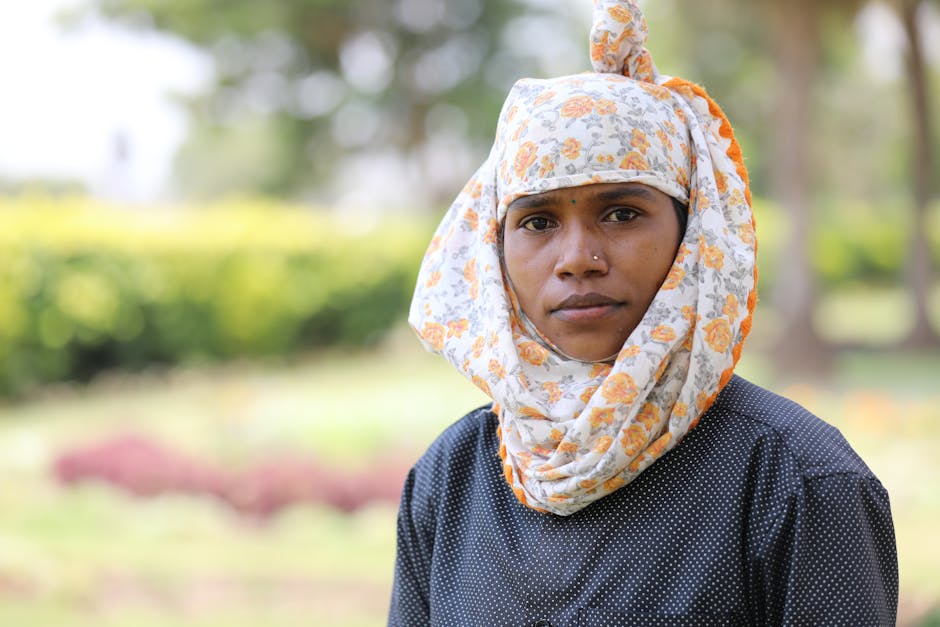
In this article, we’ll explore: BcozSheMatters: WHO Health Ministry roll out campaign on women and girls health and well-being and why it matters today.
Related:
👉 Beyond "Bikini Medicine": Why Womens Health Needs a System Redesign to Close the Diagnostics Gap
👉 Why Am I Losing Inches But Not Weight? Here Are 4 Possible Reasons The Scale Isn't Changing
👉 Why "BcozSheMatters" is the Health Revolution Women and Girls Have Been Waiting For
We’ve all seen it. The mother who stays up late to finish her child’s school project while nursing a headache she’s ignored for three days. The young professional who skips breakfast and lunch to meet a deadline, fueled only by caffeine and sheer willpower. The grandmother who insists she’s “just fine” despite the persistent ache in her joints because she doesn’t want to be a “burden.”
For too long, women’s health has been treated as a secondary thought—or worse, reduced solely to reproductive health. But things are changing. The recent launch of the BcozSheMatters: WHO Health Ministry roll out campaign on women and girls health and well-being marks a pivotal shift in how global society views the physical, mental, and social health of half the world’s population.
This isn’t just another government initiative with a fancy acronym. It is a loud, clear statement that a woman’s health is the foundation of a healthy society. Let’s dive deep into what this campaign actually means for you, your sisters, your mothers, and your daughters.
The “Superwoman” Myth and Why This Campaign is Necessary
In many cultures, women are celebrated for being “selfless.” We praise them for putting everyone else first. While that sounds noble, it has created a dangerous health crisis. When you are always at the bottom of your own to-do list, your health suffers.
The BcozSheMatters: WHO Health Ministry roll out campaign on women and girls health and well-being aims to dismantle the idea that women must suffer in silence. Statistics show that women are more likely to experience delayed diagnoses for heart disease, are at a higher risk for certain mental health struggles like anxiety and depression, and often face significant barriers in accessing basic nutritional needs.
This campaign is the WHO’s way of saying: “It’s time to put yourself back on the map.”
What Does the Campaign Actually Cover?
The scope of BcozSheMatters is impressively broad. It doesn’t just look at hospitals and medicines; it looks at the environment in which women live and work. The campaign is built on four primary pillars:
- Preventative Care: Moving from “treating sickness” to “maintaining wellness” through regular screenings and early intervention.
- Mental Health Support: Breaking the stigma around postpartum depression, menopause-related anxiety, and the “invisible load” of household management.
- Nutritional Security: Addressing anemia and micronutrient deficiencies that plague girls and women globally.
- Health Literacy: Empowering women with the knowledge to make informed decisions about their own bodies.
Real-Life Impact: Meet Maya and Mrs. Kapoor
To understand why the BcozSheMatters: WHO Health Ministry roll out campaign on women and girls health and well-being is so vital, let’s look at two hypothetical but very “real” examples of how this campaign changes lives.
The Story of Maya: Breaking the Cycle of Anemia
Maya is 14 years old and lives in a rural town. She’s bright and loves sports, but lately, she’s been feeling constantly exhausted. Her grades are slipping because she can’t concentrate. In the past, her family might have just thought she was “lazy” or going through a phase.
Under the BcozSheMatters initiative, Maya’s school now hosts monthly health check-ups. A simple blood test reveals she is severely anemic. Through the campaign’s nutritional support program, she receives iron supplements and her family is educated on iron-rich local foods. Three months later, Maya is back on the football field. This is the power of early intervention.
The Story of Mrs. Kapoor: Navigating the Menopause Transition
Mrs. Kapoor is a 52-year-old bank manager. For the last year, she’s been struggling with brain fog, hot flashes, and sudden bursts of irritability. She felt like she was “losing her mind” and considered quitting her job.
Through a BcozSheMatters community workshop at her workplace, she learned that these were standard symptoms of perimenopause—a topic rarely discussed openly. The campaign provided her with access to a specialist who helped her manage her symptoms. Instead of quitting, she’s now mentoring younger women at her firm. Because she mattered, her career and her well-being were saved.
The Invisible Burden: Addressing Mental Health
One of the most groundbreaking aspects of the BcozSheMatters: WHO Health Ministry roll out campaign on women and girls health and well-being is its heavy focus on mental health. For decades, a woman’s “moodiness” was dismissed. Today, we know that hormonal shifts, societal pressures, and the “double shift” (working a job and then coming home to do all the housework) take a massive toll.
The WHO and Health Ministry are rolling out dedicated helplines and community support groups. The goal is to normalize the conversation. It’s okay to say, “I’m overwhelmed.” It’s okay to seek therapy. By integrating mental health into primary care, the campaign ensures that a woman’s mind is cared for as much as her body.
Why Focus on Girls Specifically?
You might wonder why “girls” are specifically mentioned alongside women. The reason is simple: health is cumulative. The habits, nutrition, and psychological safety a girl experiences during puberty dictate her health outcomes for the rest of her life.
By focusing on adolescent girls, the BcozSheMatters campaign is essentially “future-proofing” the next generation. This includes menstrual hygiene education, HPV vaccinations, and building body confidence to combat the negative effects of social media.
The Role of the Community and Men
While the campaign is titled “BcozSheMatters,” the WHO emphasizes that this isn’t just a “woman’s issue.” It’s a family issue. When a mother is healthy, her children are more likely to attend school and stay healthy. When a female employee is supported, the economy grows.
Men play a crucial role here. The campaign encourages men to be “Health Allies.” This means sharing the domestic load, encouraging the women in their lives to go for their annual check-ups, and fostering an environment where women’s health concerns are taken seriously, not mocked or ignored.
Key Takeaways from the BcozSheMatters Campaign
- Holistic Approach: It moves beyond just maternal health to cover every stage of a woman’s life, from puberty to geriatric care.
- Accessibility: The Health Ministry is working to bring clinics closer to remote areas, ensuring that “access” isn’t a privilege for the wealthy.
- Education: Knowledge is power. The campaign uses digital tools and local language workshops to explain complex health issues simply.
- Stigma Reduction: By talking openly about menstruation, menopause, and mental health, the campaign aims to end the “shame” often associated with women’s biological processes.
How You Can Get Involved
You don’t have to be a doctor or a policymaker to support the BcozSheMatters: WHO Health Ministry roll out campaign on women and girls health and well-being. Change starts at home.
Start by scheduling that appointment you’ve been putting off. Talk to your friends about their health. If you are an employer, look at your policies—do you offer support for menstrual health or flexible hours for caregivers? Small changes create a massive ripple effect.
Frequently Asked Questions (FAQ)
1. What is the main goal of the BcozSheMatters campaign?
The primary goal is to improve the overall health outcomes for women and girls by providing better access to healthcare, improving health literacy, and addressing specific issues like nutrition, mental health, and preventative screenings.
2. Is this campaign only for women in developing countries?
No. While the challenges may differ, the WHO and Health Ministry have designed this as a global framework. Women in developed nations still face gender bias in medical research and lack of support for menopause and mental health.
3. How does the campaign address reproductive health?
BcozSheMatters views reproductive health as one part of a larger whole. It includes access to safe family planning, maternal care, and cervical cancer screenings, but it also links these to a woman’s overall physical and mental well-being.
4. How can I find BcozSheMatters resources in my local area?
You can visit your local Health Ministry website or the official WHO regional portal. Many local community centers and public hospitals will also have posters and brochures with information on the specific services being rolled out in your district.
5. Why is the campaign focused on “well-being” and not just “health”?
“Health” often implies the absence of disease. “Well-being” is much broader—it includes feeling mentally strong, socially connected, and physically capable of living a full, happy life.
Conclusion: A Future Where She Matters
The BcozSheMatters: WHO Health Ministry roll out campaign on women and girls health and well-being is more than just a policy document; it’s a movement toward equity. It acknowledges that for centuries, women’s health has been sidelined, and it offers a concrete roadmap to fix that.
When we invest in a woman’s health, we aren’t just helping one person. We are stabilizing a family, strengthening a community, and building a more resilient world. Because at the end of the day, she doesn’t just matter—she is essential.
Let’s stop celebrating “selflessness” and start celebrating “self-care.” Because she matters. Today, tomorrow, and always.
Written with love and assistance and refined for quality.
{“@context”:”https://schema.org”,”@type”:”Article”,”headline”:”BcozSheMatters: Why the New WHO and Health Ministry Campaign is a Game-Changer for Women Everywhere”,”description”:”In this article, weu2019ll explore: BcozSheMatters: WHO Health Ministry roll out campaign on women and girls health and well-being and…”,”author”:{“@type”:”Person”,”name”:”Dr. Cuterus”},”datePublished”:”2026-06-07T09:07:07+00:00″,”dateModified”:”2026-06-07T09:07:07+00:00″,”mainEntityOfPage”:”https://healthyworldz.com/bcozshematters-why-the-new-who-and-health-ministry-campaign-is-a-game-changer-for-women-everywhere-11/”,”image”:[“https://healthyworldz.com/wp-content/uploads/2026/06/bcozshematters-who-health-ministry-roll-out-campaign-on-women-and-girls-health-and-well-being-36.jpg”]}
🔗 Related: Hormonal mechanisms of womens risk in…
🔗 Related: Why womens health needs a system…
🔗 Related: Hormonal mechanisms of womens risk in…