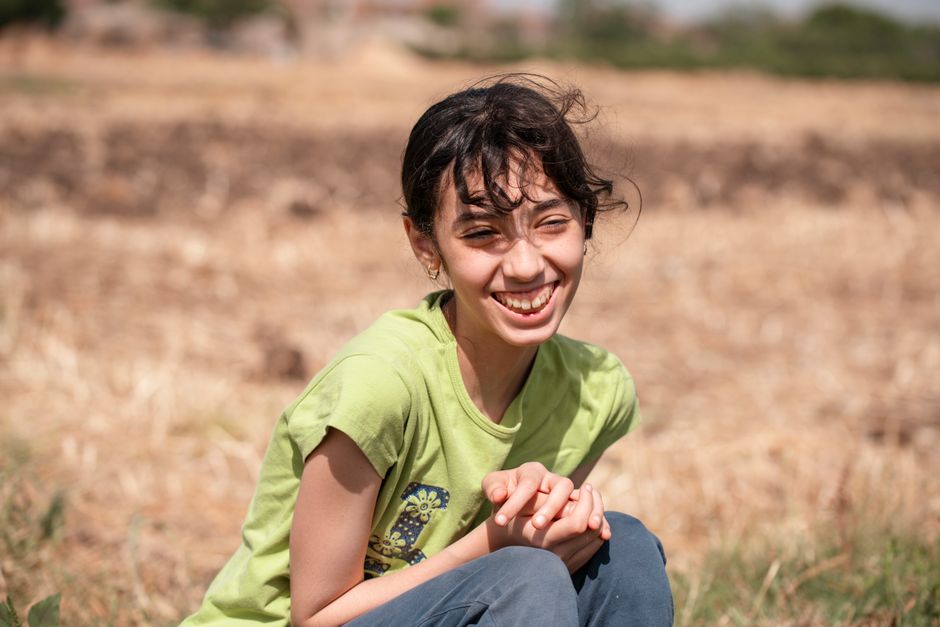
In this article, we’ll explore: Sirona Foundation Promotes Menstrual Hygiene and Sustainable Period Care in India and why it matters today.
Related:
👉 Why Trauma Hits Differently: Understanding the Hormonal Mechanisms of Women’s Risk in the Face of Traumatic Stress
👉 Why Her Health Changes Everything: Exploring the BcozSheMatters Campaign by WHO and Health Ministry
👉 The Hidden Biological Link: Understanding the Hormonal Mechanisms of Women’s Risk in the Face of Traumatic Stress
Learn more: Sirona Foundation Promotes Menstrual Hygiene and Sustainable Period Care in India on Investopedia
Imagine being a young girl in a small village in rural India. You’ve just started your period, but instead of being told it’s a natural sign of health, you’re told you are “impure.” You aren’t allowed in the kitchen, you can’t touch the pickles, and most devastatingly, you might have to skip school for a week every single month because you don’t have access to a simple sanitary pad. This isn’t a scene from a movie; it is the daily reality for millions of women across the country.
However, the narrative is shifting. There is a quiet revolution happening in the heart of India, led by organizations that believe a period should never be a punctuation mark on a girl’s education or a woman’s dignity. One of the most influential voices in this movement is the Sirona Foundation. By focusing on both health and the environment, the Sirona Foundation Promotes Menstrual Hygiene and Sustainable Period Care in India in a way that is truly changing lives.
In this post, we’re going to dive deep into how they are doing it, why sustainability matters, and the real-world impact of their “cup-verter” movement.
The Silent Crisis: Why Period Poverty Matters
Before we look at the solution, we have to understand the scale of the problem. In India, menstrual hygiene is often shrouded in silence and shame. According to various reports, a staggering number of girls drop out of school once they reach puberty simply because they lack private toilets and affordable menstrual products.
Many women in low-income households still rely on old rags, ash, or even dried leaves. These methods aren’t just uncomfortable; they are dangerous. They lead to chronic infections and long-term reproductive health issues. This is where the Sirona Foundation steps in. They aren’t just “donating pads”—they are looking for a long-term, sustainable solution that respects both the body and the planet.
A Sustainable Shift: Why Menstrual Cups are the Game-Changer
For a long time, the standard response to period poverty was to distribute disposable plastic pads. While this helps in the short term, it creates two major problems:
- The Cost Barrier: A family living on a tight budget cannot afford to buy a fresh pack of pads every month. If the donations stop, the woman goes back to using rags.
- The Waste Problem: India generates billions of used sanitary pads every year. Most of these end up in landfills or water bodies, where they take 500 to 800 years to decompose.
The Sirona Foundation realized that if they wanted to make a permanent dent in the problem, they needed a sustainable alternative. This is why they champion the menstrual cup. One medical-grade silicone cup can last up to 10 years. By teaching a woman how to use a cup, the foundation isn’t just giving her a product; they are giving her ten years of period freedom and saving the environment from thousands of pads worth of plastic waste.
The “Cup-verter” Movement
Changing habits is hard. If you’ve used pads your whole life, the idea of a menstrual cup can be intimidating. The Sirona Foundation doesn’t just hand out cups and walk away. They run “Cup-verter” programs where they conduct workshops, explain the anatomy of the female body, and debunk myths. They show women that the cup is safe, hygienic, and incredibly cost-effective.
The Red Dot Campaign: Dignity for Waste Pickers
One of the most human-centric initiatives by the foundation is the Red Dot Campaign. Have you ever thought about what happens to a used sanitary pad after you throw it away? In India, waste pickers—often working without gloves—have to manually sort through garbage. Touching used, unhygienic pads exposes them to diseases like Hepatitis and E. coli.
The Sirona Foundation encourages people to wrap their menstrual waste in paper and mark it with a prominent red dot. This simple act tells the waste picker exactly what is inside, allowing them to handle the waste with the necessary precautions. It’s a powerful example of how the foundation promotes empathy and dignity for everyone in the ecosystem, not just the users of the products.
Real Stories of Impact: From Shame to Strength
To understand the real impact, let’s look at the story of Laxmi, a community worker in a semi-urban area. For years, Laxmi struggled with the recurring cost of pads for herself and her two daughters. When the Sirona Foundation held a workshop in her neighborhood, she was skeptical. She had never heard of a menstrual cup.
After the training, Laxmi decided to try it. “At first, I was scared,” she admits. “But now? I feel like I’m not even on my period. I can walk, work, and move freely. Most importantly, I don’t have to worry about buying pads every month. That money now goes toward my daughter’s books.”
Laxmi is now a “Sirona Champion,” teaching other women in her village how to make the switch. This ripple effect is exactly how the Sirona Foundation Promotes Menstrual Hygiene and Sustainable Period Care in India—by empowering local leaders to take the message forward.
Education: Breaking the Taboos
Hygiene isn’t just about products; it’s about mindset. The Sirona Foundation spends a significant amount of time on Menstrual Health Education (MHE). They work with schools, NGOs, and local government bodies to talk openly about periods.
They tackle questions that many are too afraid to ask:
- Is it okay to bath during my period? (Yes!)
- Can I exercise? (Absolutely!)
- Is period blood “dirty”? (No, it’s a natural biological process.)
By normalizing these conversations, they are removing the “shame” factor that has held Indian women back for centuries.
Key Takeaways: How Sirona is Making a Difference
- Long-term Solutions: Moving away from disposables to menstrual cups that last 10 years.
- Environmental Protection: Preventing tons of plastic waste from entering Indian landfills.
- Dignity for All: The Red Dot Campaign protects the health of waste pickers.
- Education First: Breaking cultural taboos through community workshops and school programs.
- Economic Empowerment: Saving families money by eliminating the monthly expense of sanitary products.
The Road Ahead: A Period-Positive India
The work is far from over. With a population as large as India’s, reaching every corner of the country is a massive challenge. However, the Sirona Foundation has proven that with the right mix of innovation, education, and empathy, change is possible.
By promoting sustainable period care, they aren’t just cleaning up the environment; they are cleaning up the misconceptions that have prevented women from reaching their full potential. When a girl doesn’t have to worry about her period, she can focus on her dreams. And when women are empowered, entire communities thrive.
Frequently Asked Questions (FAQ)
1. What is the Sirona Foundation’s main goal?
The Sirona Foundation aims to eradicate period poverty in India by providing access to sustainable menstrual products, education, and health resources to underprivileged women and girls.
2. Why does the foundation promote menstrual cups over pads?
Menstrual cups are more sustainable and cost-effective. One cup lasts up to 10 years, which eliminates the recurring cost of pads for low-income families and prevents thousands of kilograms of non-biodegradable waste.
3. What is the Red Dot Campaign?
It is an initiative that encourages people to wrap their menstrual waste in paper and mark it with a red dot. This helps waste pickers identify the waste and handle it safely, preventing exposure to infections.
4. How can I support the Sirona Foundation?
You can support them by donating to their “Buy One, Give One” programs, volunteering for their workshops, or simply spreading awareness about sustainable period care and the Red Dot Campaign.
5. Is the Sirona Foundation active only in cities?
No, the foundation works extensively in rural areas, urban slums, and with various NGOs across India to reach the women who need these resources the most.
In conclusion, the fact that the Sirona Foundation Promotes Menstrual Hygiene and Sustainable Period Care in India is a beacon of hope. It shows that when we combine modern innovation with deep social empathy, we can solve some of the oldest problems in society. Let’s support a future where every period is a period of pride, not shame.
Written with love and assistance and refined for quality.
🔗 Related: From PCOS to PMOS: is a…