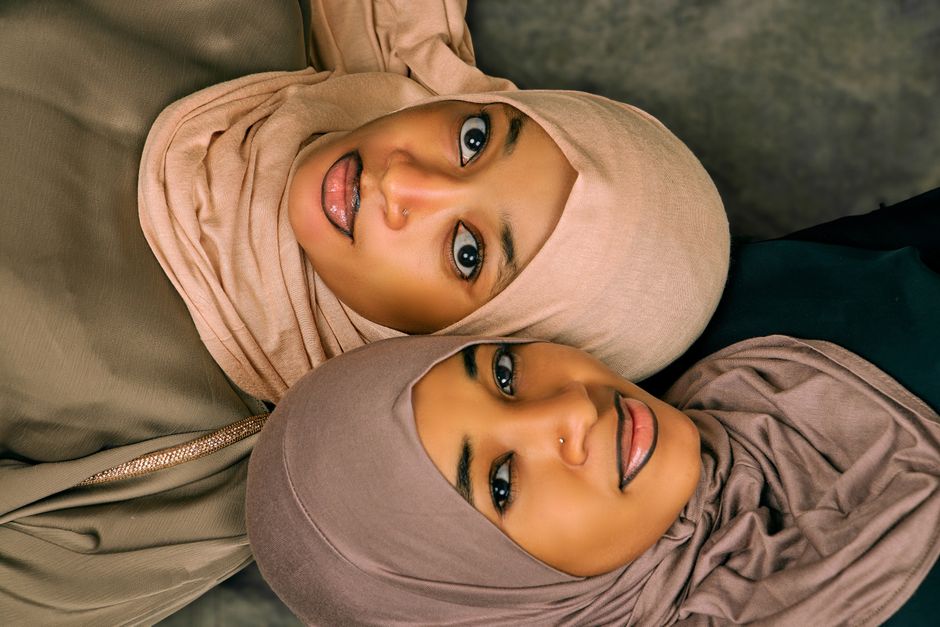
In this article, we’ll explore: Sirona Foundation Promotes Menstrual Hygiene and Sustainable Period Care in India and why it matters today.
Related:
👉 Changing Lives One Cup at a Time: How Sirona Foundation Promotes Menstrual Hygiene and Sustainable Period Care in India
👉 Why Am I Losing Inches But Not Weight? Here Are 4 Possible Reasons The Scale Isn't Changing
👉 The Secret to a Fairer Workplace: How the 4-Day Week Benefits Women at Work
Learn more: Sirona Foundation Promotes Menstrual Hygiene and Sustainable Period Care in India on Wikipedia
Imagine being a young girl in a small village in rural India. You’ve just started your period, but instead of feeling like it’s a natural milestone, you feel a sense of dread. There are no pads in the house, and even if there were, you wouldn’t know how to dispose of them without everyone seeing. You resort to using an old, damp rag hidden in a dark corner of the room. You miss school for five days every month because you’re afraid of staining your skirt. This isn’t a scene from a movie; it is the lived reality for millions of women and girls across India.
For decades, the conversation around menstruation in India was whispered in shadows. But things are changing, and they are changing fast. At the forefront of this revolution is a social initiative that is doing more than just handing out products. The Sirona Foundation Promotes Menstrual Hygiene and Sustainable Period Care in India by tackling the root causes of period poverty: lack of education, high costs, and the environmental burden of plastic waste.
In this post, we’ll dive deep into how this foundation is rewriting the narrative for Indian women, why sustainability is the key to long-term change, and how a small silicone cup is becoming a symbol of empowerment.
The Silent Crisis: Why Menstrual Hygiene is Still a Struggle
Before we look at the solutions, we have to understand the scale of the problem. India has roughly 355 million menstruating women. However, a significant percentage still lacks access to safe and hygienic menstrual products. The barriers are three-fold: economic, social, and environmental.
First, there is the cost. For a family living on daily wages, buying a pack of disposable sanitary pads every month is a luxury they often cannot afford. Second, there is the stigma. In many parts of India, menstruation is still seen as “impure.” This prevents women from seeking help or even drying their reusable cloths in the sun, which is essential for killing bacteria. Finally, there is the waste. An average woman uses about 11,000 disposable pads in her lifetime. In India, where waste management systems are often lacking, these pads end up in landfills or water bodies, taking up to 800 years to decompose.
This is where the Sirona Foundation steps in. They realized that simply giving away disposable pads was a “Band-Aid” solution. To create real change, they needed something sustainable, affordable, and revolutionary.
The Sirona Foundation’s Mission: Beyond the Disposable Mindset
The Sirona Foundation, the social arm of Sirona Hygiene, operates with a clear vision: to ensure that no woman is held back by her period. But what sets them apart is their focus on sustainable period care. While most NGOs focus on distributing sanitary napkins, Sirona has taken the harder, more impactful route of promoting menstrual cups.
The foundation’s flagship initiative, “Project Lakhon Khushiyan,” aims to donate menstrual cups to underprivileged women and provide them with the necessary training to use them. Why cups? Because one cup can last up to 10 years. It replaces thousands of pads, saves thousands of rupees, and generates zero waste. By focusing on this, the Sirona Foundation Promotes Menstrual Hygiene and Sustainable Period Care in India in a way that respects both the woman and the planet.
Breaking the “Cup” Barrier
Switching to a menstrual cup is a big jump for someone who has used pads or cloth their whole life. There are myths to bust and fears to calm. The Sirona Foundation doesn’t just drop off a box of cups and leave. They conduct extensive workshops. They use anatomical models to show how the body works, explain the science of suction, and address the common fear that the cup will “get lost” inside the body (spoiler alert: it can’t!).
Real-World Impact: The Story of the “Pad-Free” Village
Let’s look at a real example of how this works on the ground. In several villages where the Sirona Foundation has been active, the transformation is visible. Take the case of a group of female sanitation workers in Delhi. These women spend their days cleaning the city, often without access to clean toilets. Using pads was a nightmare for them—they had nowhere to change and nowhere to dispose of the soiled products.
When the Sirona Foundation introduced them to menstrual cups, the feedback was overwhelming. One worker mentioned that for the first time in 20 years, she felt “free” during her period. She didn’t have to worry about the smell, the dampness, or finding a place to change. She could work an 8-hour shift with total peace of mind. This is the human face of sustainable period care.
The Economic Ripple Effect
When a woman in a low-income household switches to a menstrual cup, she saves approximately ₹40,000 to ₹50,000 over a decade. In the context of rural India, that money can pay for a child’s school fees, buy a goat for a small farm, or contribute to a family’s savings. By promoting sustainability, the Sirona Foundation is indirectly contributing to the economic empowerment of these women.
Why Sustainability is Non-Negotiable
We often talk about “going green” as a choice for the wealthy, but the Sirona Foundation proves that sustainability is actually a necessity for the poor. In rural India, there is no “garbage man” who comes to pick up your trash every morning. Used sanitary pads are often buried in pits, thrown into rivers, or burnt in the open. Burning pads releases toxic fumes, and burying them pollutes the soil.
By advocating for menstrual cups and biodegradable options, the foundation is protecting the local environment. They are teaching communities that hygiene doesn’t have to come at the cost of the Earth. This holistic approach is why the statement “Sirona Foundation Promotes Menstrual Hygiene and Sustainable Period Care in India” carries so much weight—it’s about health, dignity, and ecology all at once.
Education: The Ultimate Taboo Breaker
You can’t change habits without changing minds. The Sirona Foundation spends a huge amount of resources on educational content. They create videos, pamphlets in local languages, and peer-to-peer training modules. They involve community leaders and “Asha” workers to spread the word.
One of their most successful strategies is targeting the younger generation. By going into schools and talking to adolescent girls, they are ensuring that the next generation of Indian women grows up without the shame and misinformation that their mothers faced. They are taught that a period is a sign of health, not a curse.
- Workshops: Hands-on training on how to use and sterilize menstrual cups.
- Myth-Busting: Addressing cultural taboos regarding virginity and internal period products.
- Accessibility: Ensuring that even the most remote villages have access to high-quality medical-grade silicone cups.
- Collaboration: Partnering with other NGOs and government bodies to scale their impact.
The Challenges Ahead
Is the road easy? Not at all. India is a vast country with diverse cultures. In some areas, the resistance to internal menstrual products is deeply rooted in patriarchy. There is a fear that using a cup will “break” the hymen, a concept tied to a woman’s “purity.” The Sirona Foundation navigates these sensitive topics with empathy and scientific facts, slowly winning over the trust of the community elders.
Another challenge is water. Menstrual cups need to be washed with clean water. In areas with acute water scarcity, the foundation has to adapt its teaching to ensure that hygiene is maintained even with limited resources. This level of detail shows their commitment to practical, real-world solutions.
Key Takeaways
- Sustainable Focus: The Sirona Foundation prioritizes long-term solutions like menstrual cups over short-term disposable products.
- Education First: Product distribution is always paired with deep-dive educational workshops to ensure proper usage.
- Economic Impact: Switching to sustainable care saves low-income families significant money over time.
- Environmental Protection: By reducing pad waste, the foundation helps prevent soil and water pollution in rural areas.
- Empowerment: Proper menstrual hygiene allows girls to stay in school and women to work without interruption, fostering gender equality.
Final Thoughts: A Period of Change
The work being done by the Sirona Foundation is a testament to what happens when innovation meets empathy. By choosing to promote menstrual cups and sustainable practices, they aren’t just giving women a product; they are giving them their time, their money, and their dignity back.
As the Sirona Foundation Promotes Menstrual Hygiene and Sustainable Period Care in India, the ripple effects are felt across society. A girl who stays in school today becomes the leader of tomorrow. A woman who saves money on pads today invests in her family’s future. The “red stain” of stigma is finally being washed away, replaced by a green wave of sustainability and a bright future for every menstruator in India.
Frequently Asked Questions (FAQ)
1. What exactly does the Sirona Foundation do?
The Sirona Foundation is a non-profit organization that works to improve menstrual hygiene in India. They focus on providing sustainable period products like menstrual cups to underprivileged women and offer extensive education on how to use them safely.
2. Why does the foundation promote menstrual cups instead of pads?
Menstrual cups are more sustainable and cost-effective in the long run. One cup can last for 10 years, whereas disposable pads create massive amounts of plastic waste and require monthly purchases that many women cannot afford.
3. Are menstrual cups safe for women in rural areas?
Yes, as long as they are made of medical-grade silicone (like Sirona’s) and the users are taught proper sterilization techniques. The Sirona Foundation conducts workshops specifically to teach women how to clean and maintain their cups even with limited resources.
4. How can I support the Sirona Foundation’s mission?
You can support them by donating through their official website or by purchasing Sirona products, as a portion of their sales often goes toward their social initiatives. Spreading awareness about sustainable period care is also a great way to help.
5. Does the foundation only work in villages?
While a large part of their work is in rural India, they also work with urban poor populations, such as sanitation workers and slum dwellers in major cities, who face similar challenges with period poverty.
Written with love and assistance and refined for quality.
🔗 Related: Hormonal mechanisms of womens risk in…