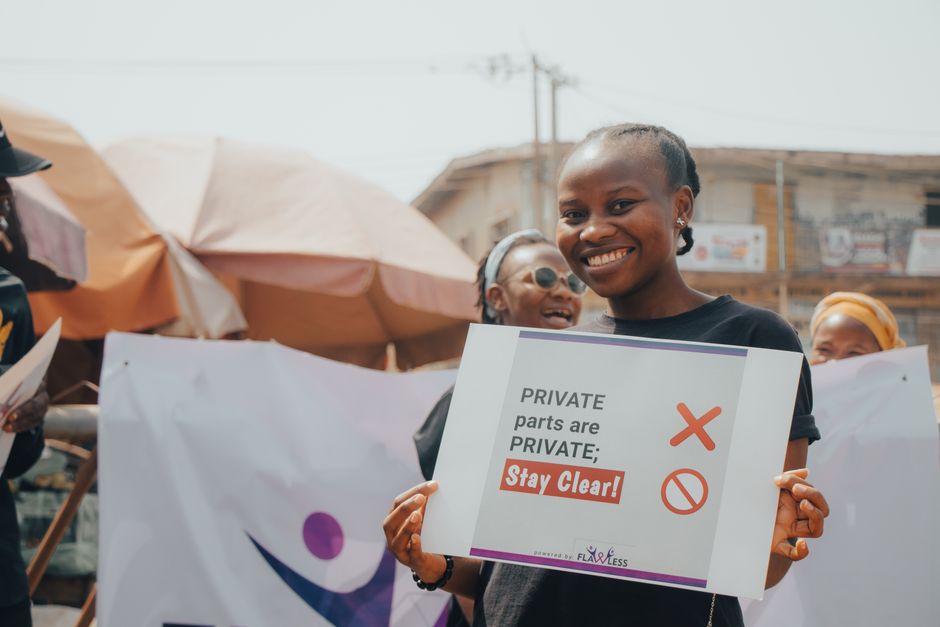
In this article, we’ll explore: BcozSheMatters: WHO Health Ministry roll out campaign on women and girls health and well-being and why it matters today.
Related:
👉 Changing Lives One Cup at a Time: How Sirona Foundation Promotes Menstrual Hygiene and Sustainable Period Care in India
👉 Why Am I Losing Inches But Not Weight? Here Are 4 Possible Reasons The Scale Isn't Changing
👉 Why Am I Losing Inches But Not Weight? Here Are 4 Possible Reasons The Scale Isn't Changing
Imagine a world where every girl, regardless of where she is born, has the same chance to grow up healthy, educated, and empowered. Imagine a mother who doesn’t have to choose between her own health and the well-being of her children. It sounds like a dream, doesn’t it? But for millions of women globally, this isn’t just a dream—it’s a daily struggle for basic healthcare rights.
This is exactly why the recent announcement has sent ripples of hope across the globe. The BcozSheMatters: WHO Health Ministry roll out campaign on women and girls health and well-being is more than just a government initiative; it is a loud, clear statement that women’s health is not a secondary issue. It is a primary necessity for a thriving society.
In this post, we’re going to dive deep into what this campaign actually means, why it’s happening now, and how it’s set to change lives on the ground. Whether you’re a healthcare professional, a community leader, or someone who simply cares about the women in your life, there is something in this movement for you.
The Heart of the Movement: What is BcozSheMatters?
At its core, “BcozSheMatters” is a collaborative effort between the World Health Organization (WHO) and national Health Ministries. It’s designed to bridge the gap between healthcare policy and the actual lived experiences of women and girls. We’ve all seen campaigns that look good on paper but fail to reach the person living in a remote village or a crowded urban slum. This campaign aims to be different.
The campaign focuses on a “life-course approach.” This means it doesn’t just look at pregnancy or elderly care in isolation. Instead, it looks at the health of a female from the moment she is born, through her teenage years, her reproductive years, and into her senior life. It recognizes that the health of a 10-year-old girl today determines the health of the woman she will become in twenty years.
Breaking the Silence on Taboo Topics
One of the most refreshing aspects of the BcozSheMatters: WHO Health Ministry roll out campaign on women and girls health and well-being is its willingness to talk about things that are often whispered about. From menstrual hygiene to menopause and mental health, the campaign is bringing these “taboo” topics into the light of the doctor’s office and the dinner table.
The Four Pillars of the Campaign
To make a real impact, the WHO and the Health Ministry have identified four critical areas that need immediate attention. Let’s break them down:
- Maternal and Reproductive Health: Ensuring that no woman dies while giving life. This includes better access to prenatal care, safe delivery options, and postpartum support.
- Nutrition and Anemia Prevention: In many parts of the world, women eat last and eat the least. The campaign focuses on nutritional education and providing iron-folic acid supplements to combat the epidemic of anemia among adolescent girls.
- Mental Health and Well-being: Women often carry the “invisible load” of caregiving and household management. This pillar focuses on providing counseling services and reducing the stigma around postpartum depression and anxiety.
- Preventive Screenings: Early detection of breast and cervical cancer can save thousands of lives. The campaign is rolling out mobile screening units to make these tests accessible to everyone, not just those in big cities.
A Story from the Ground: Meet Anjali
To understand the weight of this campaign, we have to look at the people it serves. Take Anjali, for example. Anjali is a 19-year-old living in a rural district. For years, she missed three days of school every month because she didn’t have access to proper sanitary products or a private bathroom at her school. She felt ashamed and fell behind in her studies.
When the BcozSheMatters initiative reached her village, things began to shift. The local health center, supported by the Health Ministry, started a “Dignity Kit” program. But more importantly, they held community workshops where even the men in the village learned about the importance of girls’ health. Today, Anjali is finishing her exams and dreams of becoming a nurse. This isn’t just about healthcare; it’s about giving a young woman her future back.
Why Now? The Post-Pandemic Reality
You might be wondering, why is the BcozSheMatters: WHO Health Ministry roll out campaign on women and girls health and well-being launching at this specific moment? The truth is, the last few years have been incredibly tough on women’s health. During the global pandemic, many resources were diverted away from maternal care and routine screenings.
Statistics show that domestic violence increased, and many girls were forced to drop out of school. We are currently in a “recovery phase,” and the WHO recognizes that we cannot recover as a society if we leave half the population behind. This campaign is a “reset button”—a way to reclaim the progress we lost and push even further ahead.
The Economic Impact of Healthy Women
There’s also a very practical reason for this campaign. Economists have long argued that when women are healthy, economies grow. A healthy woman is more likely to participate in the workforce, her children are more likely to be educated, and the entire community’s poverty level drops. Investing in “BcozSheMatters” isn’t just “the right thing to do”; it’s the smartest financial move a country can make.
How the Campaign is Being Implemented
The Health Ministry isn’t just putting up posters. They are taking a multi-pronged approach to ensure this isn’t just another forgotten slogan:
1. Training Health Workers
Frontline workers, like nurses and midwives, are the backbone of this campaign. They are receiving specialized training to handle sensitive issues like domestic abuse and adolescent reproductive health with empathy and confidentiality.
2. Leveraging Technology
In many regions, “Tele-Health” is being integrated into the campaign. A woman in a remote area can now video call a specialist in the city to discuss her symptoms, saving her hours of travel time and expensive transport costs.
3. Community Engagement
The campaign is partnering with local leaders, religious figures, and schools. By getting the community involved, they ensure that the message of health and well-being is trusted and accepted at a grassroots level.
The Challenges Ahead
Of course, no campaign is without its hurdles. Deep-seated cultural norms, lack of infrastructure in rural areas, and funding gaps are real obstacles. However, the partnership between the WHO and the Health Ministry provides a level of authority and resource-sharing that we haven’t seen in a long time.
The biggest challenge? Consistency. It’s easy to launch a campaign, but it’s hard to keep it running for five, ten, or twenty years. This is why the “BcozSheMatters” framework includes regular audits and data collection to see what’s working and what needs to change.
Key Takeaways from the BcozSheMatters Campaign
- Holistic Approach: It covers everything from physical health to mental well-being across all ages.
- Collaboration is Key: The partnership between the WHO and the Health Ministry ensures both global expertise and local implementation.
- Focus on Equity: The campaign specifically targets underserved and marginalized communities to ensure no girl is left behind.
- Empowerment through Education: By breaking taboos, the campaign empowers women to take charge of their own bodies and health.
How You Can Support the Cause
You don’t have to be a doctor to support the BcozSheMatters: WHO Health Ministry roll out campaign on women and girls health and well-being. Here is how you can help:
Spread the Word: Use your social media platforms to share information about women’s health. Knowledge is power.
Support Local Initiatives: Look for charities in your area that focus on girl’s education or maternal health. Many of these are now aligning with the BcozSheMatters goals.
Advocate: Talk to your local representatives about the importance of funding for women’s healthcare services.
Conclusion: A Healthier Future for Everyone
At the end of the day, the BcozSheMatters campaign is a reminder that we are all connected. When a girl stays in school because she has the health support she needs, she grows up to be a woman who can lead, innovate, and care for others. When a mother survives childbirth, a family stays intact, and a community stays strong.
The BcozSheMatters: WHO Health Ministry roll out campaign on women and girls health and well-being is a giant leap in the right direction. It’s an acknowledgment that her health, her dreams, and her life matter—not just for her sake, but for the sake of the entire world. Let’s make sure this message isn’t just heard, but acted upon, every single day.
Frequently Asked Questions (FAQ)
What is the main goal of the BcozSheMatters campaign?
The main goal is to improve the overall health and well-being of women and girls by providing better access to healthcare, education on nutrition and hygiene, and support for mental health, while reducing maternal mortality rates.
Who is behind this initiative?
The campaign is a collaborative effort between the World Health Organization (WHO) and the national Health Ministry, involving local healthcare providers and community leaders.
How does the campaign address mental health?
BcozSheMatters integrates mental health services into primary healthcare. This includes training for doctors to recognize signs of depression and anxiety and providing counseling services for women, especially during and after pregnancy.
Is this campaign only for women in rural areas?
While there is a strong focus on underserved rural areas, the campaign is nationwide. It addresses health issues that affect women in urban settings as well, such as lifestyle diseases, stress, and preventive cancer screenings.
How can I stay updated on the campaign’s progress?
You can follow the official websites of the WHO and your local Health Ministry, or follow the hashtag #BcozSheMatters on social media for real-time updates and success stories.
Written with love and assistance and refined for quality.
🔗 Related: Genelia DSouza opens up about menopause…
🔗 Related: For millions of women PCOS was…
🔗 Related: Genelia DSouza opens up about menopause…