In this article, we’ll explore: BcozSheMatters: WHO Health Ministry roll out campaign on women and girls health and well-being and why it matters today.
Related:
👉 The Scale is Lying to You: Why Am I Losing Inches But Not Weight Here Are 4 Possible Reasons The Scale Isn't Changing
👉 Putting Her First: Why the #BcozSheMatters Campaign is a Game-Changer for Women’s Health
👉 Why Women Process Trauma Differently: Understanding the Hormonal Mechanisms of Women’s Risk in the Face of Traumatic Stress
Learn more: BcozSheMatters: WHO Health Ministry roll out campaign on women and girls health and well-being on Wikipedia
Have you ever noticed how, in many households, the woman is the last person to sit down for a meal? She’s often the one making sure the kids have their vitamins, the husband has his lunch, and the elderly parents have their prescriptions filled. But when it comes to her own nagging headache, that persistent fatigue, or her annual check-up, she says, “I’ll do it tomorrow.”
Tomorrow often turns into next month, and next month turns into next year. This is a story we see played out in millions of homes across the globe. But a new initiative is looking to change that narrative once and for all. The BcozSheMatters: WHO Health Ministry roll out campaign on women and girls health and well-being is more than just a government program; it’s a movement to put women’s health back where it belongs—at the very center of the conversation.
In this post, we’re going to break down what this campaign actually means for you, your sisters, your mothers, and your daughters. We’ll look at why it’s happening now and how it aims to bridge the gap between “getting by” and “thriving.”
The Heart of the Matter: Why #BcozSheMatters?
For too long, women’s health has been pigeonholed into just one or two categories—mostly related to childbirth. While maternal health is incredibly important, a woman’s well-being is so much broader than that. It’s about her mental health, her bone density, her heart health, and her right to live without the shadow of preventable diseases.
The BcozSheMatters: WHO Health Ministry roll out campaign on women and girls health and well-being recognizes that a healthy woman is the backbone of a healthy society. When a girl is healthy, she stays in school. When a woman is healthy, she can participate in the workforce and lead her community. The ripple effect is massive.
But the reality is often harsh. Statistics show that women are more likely to suffer from nutritional deficiencies like anemia, and they are often diagnosed with heart disease much later than men because their symptoms look different. This campaign is a loud, clear signal that these gaps are no longer acceptable.
Breaking the Silence on Taboo Topics
One of the most refreshing parts of this campaign is its willingness to talk about the things we usually whisper about. We’re talking about menstrual hygiene, menopause, and reproductive rights. For many girls in rural areas, starting their period often means missing a week of school every month. That’s not just a health issue; it’s an education and an economic issue.
By bringing these topics into the light, the WHO and the Health Ministry are stripping away the shame. They are providing kits, education, and most importantly, a platform where girls can ask questions without feeling embarrassed.
The Four Pillars of the Campaign
To make a real impact, the campaign isn’t just throwing money at the problem. It’s focusing on four specific areas that have the biggest impact on a woman’s life cycle.
- Preventive Screenings: Early detection for breast and cervical cancer. These are often “silent” killers that can be treated if caught early.
- Nutritional Support: Addressing the “hidden hunger” of micronutrient deficiencies, particularly during adolescence and pregnancy.
- Mental Health Advocacy: Moving beyond the “strong woman” trope to provide real support for postpartum depression, anxiety, and the stress of caregiving.
- Digital Health Access: Using mobile technology to give women in remote areas access to doctors and health information at their fingertips.
Meet Sarah: A Real-World Example of Why This Works
To understand the weight of this campaign, let’s look at Sarah. Sarah is a 34-year-old mother of three living in a semi-urban town. She works at a local retail store and spends her evenings managing her household. For two years, Sarah felt a constant dull ache in her back and felt exhausted by noon. She assumed it was just “part of being a mom.”
Through a local community drive organized under the BcozSheMatters: WHO Health Ministry roll out campaign on women and girls health and well-being, Sarah was encouraged to get a free blood test and a screening. It turned out she had severe iron-deficiency anemia and a thyroid imbalance. Within three months of treatment, Sarah felt like a different person. She had the energy to play with her kids and even applied for a promotion at work.
Sarah’s story isn’t unique, but her access to care was. This campaign aims to make Sarah’s experience the norm, not the exception. It’s about making sure the “hidden” illnesses are found and fixed before they become life-altering problems.
The Role of Men and the Community
You might think a campaign for women and girls is only for women and girls. But that’s where many initiatives in the past have failed. The #BcozSheMatters movement is actively involving men—fathers, brothers, and husbands.
Why? Because when a father understands the importance of his daughter’s nutrition, she grows up stronger. When a husband supports his wife’s mental health journey, the whole family thrives. The campaign includes workshops for men to learn how to be “health allies.” It’s about changing the culture of the home so that everyone values the health of the women in their lives as much as they value their own.
Bringing Healthcare to the Doorstep
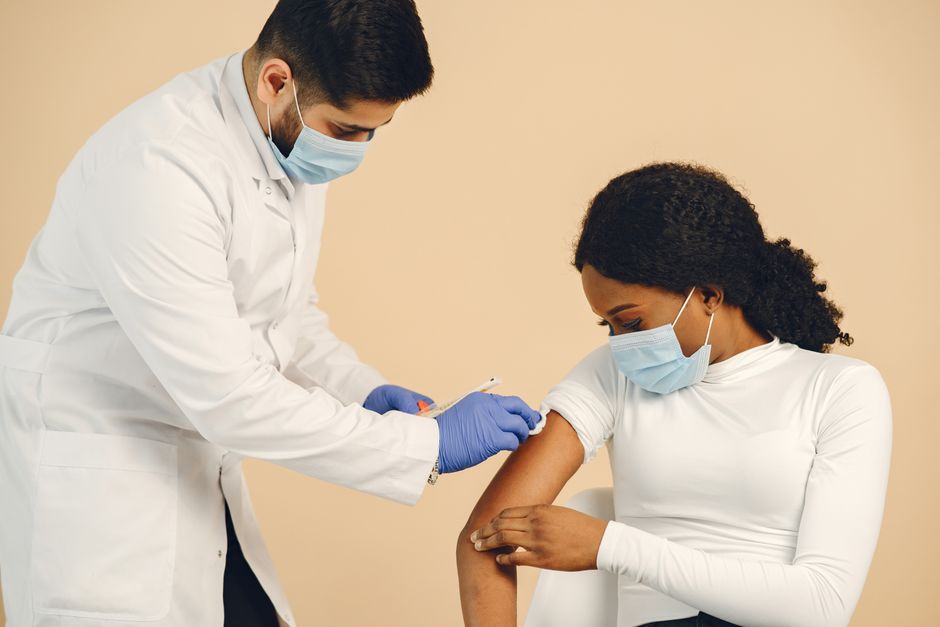
One of the biggest hurdles to healthcare is simply getting there. If a woman has to take two buses and lose a day’s wages to see a doctor, she probably won’t go. The Health Ministry is addressing this by deploying mobile health clinics. These “clinics on wheels” go directly to villages and urban slums, offering everything from vaccinations to counseling sessions.
The Digital Revolution in Women’s Health
We live in a digital age, and the BcozSheMatters: WHO Health Ministry roll out campaign on women and girls health and well-being is leaning heavily into technology. They’ve launched a user-friendly app that allows women to track their cycles, monitor pregnancy milestones, and even chat with a mental health counselor anonymously.
This is a game-changer for someone who might be too afraid or too busy to visit a clinic in person. It puts the power of health information directly into the palm of her hand. No more relying on “old wives’ tales” or potentially dangerous advice from unverified sources online.
Addressing the “Invisible” Years: Menopause
For a long time, the medical community largely ignored menopause. Women were expected to “just deal with it.” This campaign is finally shining a light on this transition. By providing education to both healthcare providers and women themselves, the initiative ensures that women in their 40s, 50s, and beyond receive the hormonal support, bone density checks, and mental health care they need to navigate this phase with dignity.
Key Takeaways from the #BcozSheMatters Campaign
- Holistic Approach: It’s not just about physical health; it’s about mental and emotional well-being too.
- Life-Cycle Focus: Support starts from the girl child and continues through the senior years.
- Accessibility: Mobile clinics and digital apps are breaking down the physical barriers to care.
- Empowerment through Education: Knowledge is power. When women understand their bodies, they make better decisions for their future.
- Community Involvement: Men and local leaders are key partners in making this campaign a success.
The Road Ahead: What Can You Do?
Government and international organizations can provide the tools, but the real change happens at the grassroots level. You don’t have to be a doctor to support this cause. Here’s how you can get involved:
1. Talk about it: Share information about the campaign on your social media. Use the hashtag #BcozSheMatters to keep the conversation going.
2. Check in: Ask the women in your life when they last had a check-up. Sometimes, a gentle nudge from a loved one is all it takes.
3. Educate yourself: Learn about the specific health challenges women face so you can be a better advocate for your friends and family.
Conclusion
The BcozSheMatters: WHO Health Ministry roll out campaign on women and girls health and well-being is a long-overdue acknowledgment that we cannot have a healthy world if half the population is left behind. It’s an investment in our collective future. By prioritizing the health of women and girls, we are building stronger families, more resilient communities, and a more equitable world.
Let’s stop asking women to be “resilient” and start giving them the resources to be healthy. Because at the end of the day, her health isn’t just her business—it’s everyone’s business. #BcozSheMatters.
Frequently Asked Questions (FAQ)
1. What is the primary goal of the BcozSheMatters campaign?
The primary goal is to improve the overall health and well-being of women and girls by providing better access to preventive care, nutritional support, and mental health resources, while also breaking societal taboos around women’s health issues.
2. Who is eligible for the services provided by this campaign?
The campaign is designed to reach girls and women of all ages, with a particular focus on those in underserved or rural communities who historically have had less access to quality healthcare.
3. Does the campaign only focus on reproductive health?
No. While reproductive health is a major component, the campaign also focuses on non-communicable diseases (like cancer and heart disease), mental health, nutrition, and age-related health issues like menopause.
4. How can I find a mobile clinic or screening center near me?
You can check the official Health Ministry website or download the campaign’s dedicated mobile app, which features a GPS-based locator for all participating clinics and health drives.
5. Is there a cost associated with the screenings?
Many of the core screenings and educational programs offered under the #BcozSheMatters initiative are provided free of charge or at a highly subsidized rate to ensure that financial status is not a barrier to health.
Written with love and assistance and refined for quality.
🔗 Related: BcozSheMatters: WHO Health Ministry roll out…
🔗 Related: Why Am I Losing Inches But…
🔗 Related: Period poverty: A global menstrual health…