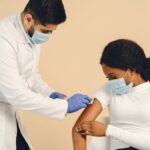
In this article, we’ll explore: BcozSheMatters: WHO Health Ministry roll out campaign on women and girls health and well-being and why it matters today.
Related:
👉 Why Her Health Changes Everything: A Deep Dive into the BcozSheMatters: WHO Health Ministry roll out campaign on women and girls health and well-being
👉 The One Supplement That Builds Lean Muscle and Sharpens Your Brain (It’s Not What You Think)
👉 The Scale is Lying to You: Why Am I Losing Inches But Not Weight Here Are 4 Possible Reasons The Scale Isn't Changing
Imagine a small village where a young mother named Anjali lives. Every day, she wakes up before the sun, prepares meals for her family, walks miles to fetch water, and ensures her children are ready for school. She is the backbone of her home, yet when she feels a lingering pain in her chest or a wave of overwhelming exhaustion, she brushes it off. “It’s nothing,” she tells herself. “The family needs me more.”
This story isn’t just Anjali’s; it’s the story of millions of women across the globe. For too long, women’s health has been treated as a secondary priority, often limited strictly to maternal care. But change is finally on the horizon. The BcozSheMatters: WHO Health Ministry roll out campaign on women and girls health and well-being is a groundbreaking initiative designed to change this narrative forever.
This isn’t just another government program with a fancy acronym. It is a movement aimed at recognizing that when a woman is healthy, her family, her community, and her country thrive. Let’s take a closer look at what this campaign means for the future of healthcare.
What is the BcozSheMatters Campaign All About?
The “BcozSheMatters” initiative is a collaborative effort between the World Health Organization (WHO) and the Ministry of Health. Its primary goal is to provide a holistic approach to the health of women and girls, moving beyond the traditional focus on just pregnancy and childbirth. While maternal health remains vital, this campaign acknowledges that a woman’s well-being spans her entire life—from infancy and adolescence through to her senior years.
The campaign is built on the belief that health is a fundamental human right. By addressing the unique biological, social, and economic challenges women face, the BcozSheMatters: WHO Health Ministry roll out campaign on women and girls health and well-being seeks to close the gap in healthcare equity.
The Core Pillars of the Campaign
To ensure no girl or woman is left behind, the campaign focuses on several key areas:
- Preventative Screenings: Early detection of non-communicable diseases like breast cancer, cervical cancer, and cardiovascular issues.
- Mental Health Support: Breaking the stigma around anxiety, depression, and postpartum struggles.
- Nutritional Security: Combating anemia and malnutrition, which disproportionately affect young girls and pregnant women.
- Menstrual Hygiene: Ensuring access to clean products and education to keep girls in school.
- Geriatric Care: Addressing the health needs of aging women, including bone health and menopause management.
Breaking the Silence: Why “She” Matters More Than Ever
Why is this campaign launching now? The reality is that the global pandemic and shifting economic climates have hit women the hardest. Statistics show that women are more likely to skip their own medical appointments to save money for their children’s needs. They are also more likely to suffer from “hidden” illnesses that go undiagnosed due to a lack of awareness.
Take the example of Sarah, a high-achieving corporate professional in a bustling city. To the outside world, she has it all. But Sarah has been struggling with chronic fatigue and hormonal imbalances for years. Because these symptoms are often dismissed as “just stress,” she never received the right care. The BcozSheMatters campaign aims to educate healthcare providers to listen more closely to women like Sarah, ensuring that “vague” symptoms are taken seriously.
Shifting the Focus to Adolescence
One of the most exciting parts of this roll-out is the focus on young girls. Adolescence is a critical window. If we can provide girls with the right nutrition and health education between the ages of 10 and 19, we set them up for a lifetime of success. The campaign introduces school-based health checks and “safe space” clinics where girls can ask questions about their changing bodies without shame.
The Ripple Effect: How Healthy Women Build Healthy Societies
There is a famous saying: “Educate a woman, and you educate a nation.” The same applies to health. When the WHO and the Health Ministry invest in women, the return on investment is staggering. Healthy women are more productive in the workforce, their children are more likely to survive and thrive, and community poverty levels drop.
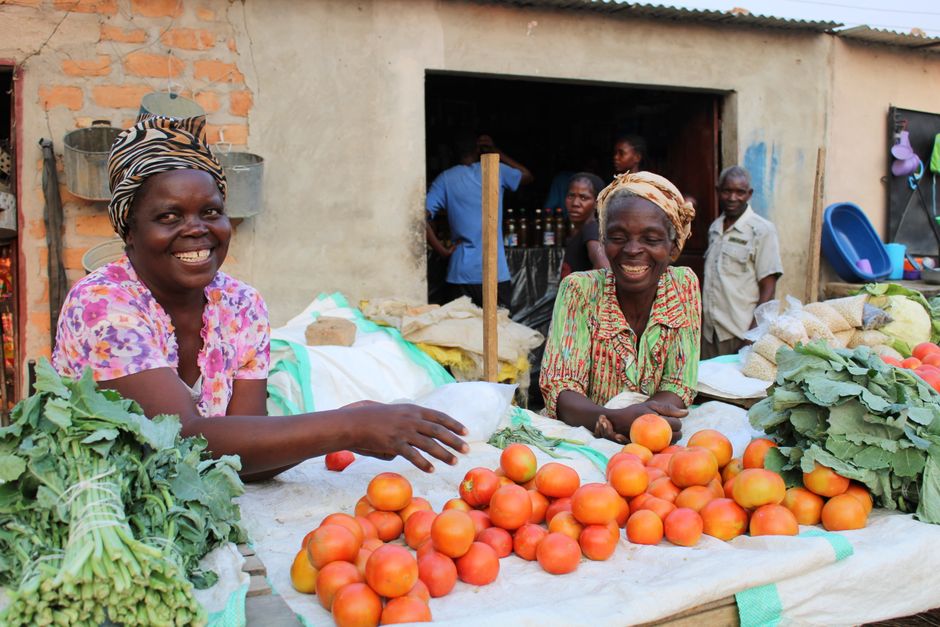
Consider a local marketplace. If the women running the stalls are healthy, the local economy stays vibrant. If they fall ill due to preventable diseases, the entire local supply chain suffers. By launching the BcozSheMatters: WHO Health Ministry roll out campaign on women and girls health and well-being, the government is essentially investing in the economic engine of the country.
Real-World Impact: Stories from the Ground
In the early stages of the pilot program, we’ve already seen incredible transformations. In a rural district in the northern region, mobile health vans branded with the BcozSheMatters logo have been visiting villages weekly.
One resident, Mrs. Gupta, shared her experience: “I never knew I had high blood pressure. I just thought I was getting old and tired. The doctors at the mobile clinic gave me medicine and taught me how to eat better. Now, I have the energy to play with my grandkids again. I feel like I’ve been given a second life.”
These mobile clinics aren’t just giving out pills; they are giving out hope and dignity. They are proving that no matter how remote a woman’s home is, her health matters to the world.
The Role of Technology
The campaign is also leveraging technology in a big way. A new “BcozSheMatters” app has been launched, providing women with a period tracker, a mental health chatbot, and a direct line to tele-consultations with female doctors. This is a game-changer for women who may feel uncomfortable discussing certain topics in person or who cannot travel to a hospital.
Addressing the Mental Health Elephant in the Room
For too long, a woman’s mental health has been a “quiet” issue. The BcozSheMatters campaign is bringing it to the forefront. From the pressure of being a perfect mother to the anxieties of the workplace, women carry a heavy emotional load.
The WHO and Health Ministry are training community health workers to recognize signs of domestic distress and mental exhaustion. By integrating mental health into primary care, the campaign ensures that a woman’s mind is cared for as much as her body.
Key Takeaways from the BcozSheMatters Campaign
- Holistic Approach: It covers everything from puberty to menopause, not just maternal health.
- Accessibility: Focuses on reaching rural and underserved areas through mobile clinics and digital tools.
- Empowerment: Aims to give women the knowledge to advocate for their own health needs.
- Partnership: A massive collaboration between global experts (WHO) and local authorities (Health Ministry).
- Economic Growth: Recognizes that women’s health is a cornerstone of a thriving economy.
How You Can Support the Movement
You don’t have to be a doctor or a politician to make a difference. The success of the BcozSheMatters: WHO Health Ministry roll out campaign on women and girls health and well-being depends on community support. Here is how you can help:
1. Spread Awareness: Share information about the campaign on your social media. Use the hashtag #BcozSheMatters.
2. Encourage the Women in Your Life: Remind your mother, sister, wife, or friend to go for their annual check-ups.
3. Volunteer: Many local health centers need help with administrative tasks or community outreach during health drives.
4. Listen: Sometimes, the best thing you can do is provide a safe space for a woman to talk about her health struggles without judgment.
Conclusion
The launch of the BcozSheMatters campaign marks a turning point in global healthcare. It is a formal recognition that the health of women and girls is not a “special interest” group—it is the foundation of humanity. By addressing the gaps in care, breaking down taboos, and bringing services directly to those who need them most, the WHO and the Health Ministry are building a brighter, healthier future for everyone.
Because at the end of the day, when she thrives, we all thrive. And that is exactly why she matters.
Frequently Asked Questions (FAQ)
1. Who is eligible for the services under the BcozSheMatters campaign?
The campaign is designed for all women and girls, regardless of age, socio-economic status, or location. Special emphasis is placed on reaching marginalized communities and rural areas.
2. Does this campaign only focus on pregnancy?
No. While maternal health is a part of it, the campaign covers a wide range of issues including mental health, nutrition, non-communicable diseases (like cancer and diabetes), and geriatric care for older women.
3. How can I find a BcozSheMatters clinic near me?
You can check the official Health Ministry website or download the BcozSheMatters mobile app to find a list of participating hospitals, clinics, and mobile health unit schedules.
4. Is there a cost associated with these health services?
Most of the screenings and consultations provided through the campaign’s mobile units and government health centers are free or highly subsidized to ensure financial barriers don’t stop women from seeking care.
5. Why is the WHO involved in this local campaign?
The WHO provides technical expertise, global health data, and funding support to ensure the campaign follows international best practices and achieves measurable results in improving women’s life expectancy and quality of life.
Written with love and assistance and refined for quality.
🔗 Related: Why Am I Losing Inches But…
🔗 Related: Period poverty: A global menstrual health…
🔗 Related: Period poverty: A global menstrual health…