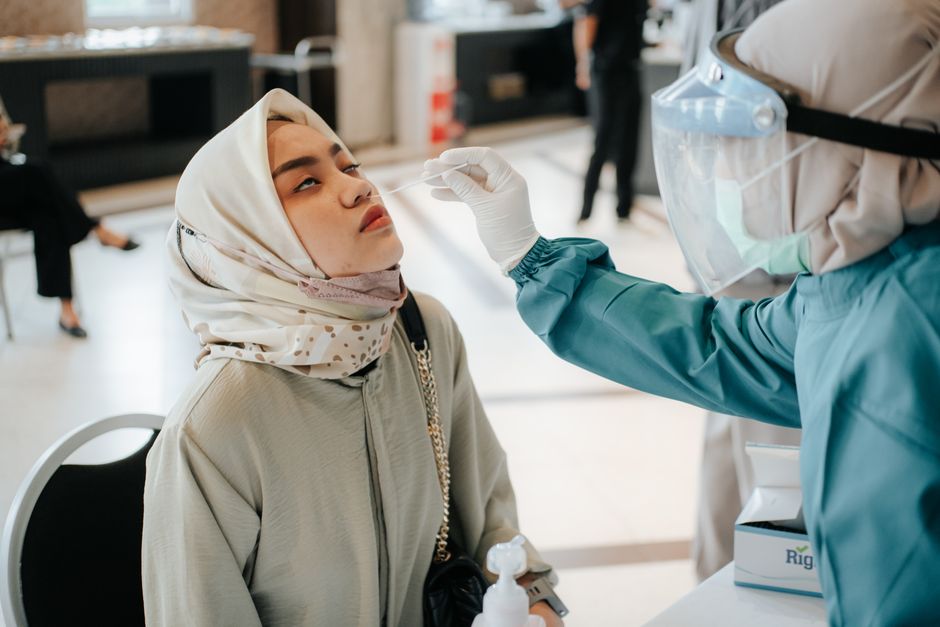
In this article, we’ll explore: BcozSheMatters: WHO Health Ministry roll out campaign on women and girls health and well-being and why it matters today.
Related:
👉 Why Her Health Changes the World: A Deep Dive into the BcozSheMatters: WHO Health Ministry roll out campaign on women and girls health and well-being
👉 Beyond the Name: Why For Millions of Women PCOS Was Never Just About the Ovaries
👉 Feeling Stuck? Here’s Why You Might Not Be Losing Weight on Wegovy
Think about the women in your life for a moment. Your mother, your sister, your best friend, or the colleague who always has a spare pen. Now, think about the last time any of them put their own health at the top of their to-do list. If you’re struggling to remember, you aren’t alone. For decades, women have been the primary caregivers of the world, often at the expense of their own well-being.
But things are finally shifting. There is a new wave of change coming, and it’s called BcozSheMatters: WHO Health Ministry roll out campaign on women and girls health and well-being. This isn’t just another government initiative with a fancy acronym; it is a heartfelt, systemic push to ensure that every woman and girl, regardless of where she lives, has the right to a healthy life.
In this post, we’re going to dive deep into what this campaign really means, why it’s happening now, and how it’s designed to change lives on the ground.
The Heart of the Movement: What is #BcozSheMatters?
At its core, the BcozSheMatters: WHO Health Ministry roll out campaign on women and girls health and well-being is a collaborative effort to bridge the gap in healthcare equity. The World Health Organization (WHO), in partnership with national Health Ministries, recognized that while global health has improved, women still face unique biological, social, and economic barriers to care.
The campaign focuses on a holistic approach. It’s not just about treating illnesses; it’s about prevention, education, and empowerment. It’s about making sure a young girl in a rural village understands her menstrual cycle without shame, and a working mother in a bustling city has access to mental health support for burnout.
The “Bcoz She Matters” slogan is a powerful reminder. It tells the world—and women themselves—that their health is a priority, not an afterthought.
Why Does This Campaign Matter Right Now?
You might wonder, “Why a specific campaign for women?” The answer lies in the data, but more importantly, in the lived experiences of millions. Women often face a “triple burden.” They work, they manage households, and they care for the elderly and children. In this whirlwind, their own symptoms—the persistent fatigue, the unusual lump, or the creeping feeling of anxiety—get pushed to the “maybe next month” list.
Recent global events have also highlighted the fragility of healthcare systems. During the pandemic, maternal health services were often disrupted, and domestic wellness took a backseat. The BcozSheMatters: WHO Health Ministry roll out campaign on women and girls health and well-being is a direct response to these gaps, aiming to build a more resilient system that protects the most vulnerable.
Breaking the Silence on Taboo Topics
One of the most refreshing aspects of this campaign is its willingness to talk about things usually whispered in shadows. We are talking about:
- Menstrual Hygiene: Moving past the stigma and providing actual infrastructure and supplies.
- Menopause: Supporting women through a major life transition that is often ignored by workplace policies and general practitioners.
- Sexual and Reproductive Health: Ensuring autonomy and safe access to necessary services.
The Four Pillars of the Campaign
The WHO and Health Ministry have structured this rollout around four key areas to ensure no stone is left unturned.
1. Preventive Care and Early Screening
Prevention is always better (and cheaper) than a cure. The campaign is rolling out massive mobile screening units. Imagine a van pulling into a local community center offering free breast cancer screenings, cervical cancer swabs, and blood pressure checks. This “taking the clinic to the people” approach is a game-changer for women who can’t afford a day off work to travel to a city hospital.
2. Nutritional Security
Anemia remains a massive hurdle for women and girls globally. This campaign integrates nutritional education with the distribution of iron and folic acid supplements. But it goes further—it teaches families about the importance of “the girl child’s plate,” ensuring that daughters get the same nutritional quality as sons.
3. Mental Health and Emotional Well-being
This is perhaps the most “human” part of the initiative. Women are statistically more likely to experience depression and anxiety, often linked to societal pressures and hormonal changes. The campaign is training community health workers to recognize signs of mental distress and provide “psychological first aid.”
4. Digital Health Literacy
In today’s world, your phone can be a health tool. The rollout includes a dedicated app and SMS service that sends health tips, appointment reminders, and a safe space to ask “embarrassing” questions anonymously.
Real-World Impact: Sarah’s Story
To understand the weight of the BcozSheMatters: WHO Health Ministry roll out campaign on women and girls health and well-being, look at Sarah. Sarah is a 34-year-old mother of three living in a suburban neighborhood. For months, she felt a dull ache in her back and constant exhaustion. She assumed it was just the “mom life.”
Through a local BcozSheMatters workshop at her children’s school, she learned that her symptoms weren’t just “tiredness”—they were signs of a severe vitamin deficiency and early-stage hypertension. Because the campaign provided a free check-up on-site, she caught it early. Today, Sarah isn’t just surviving; she’s thriving. She’s back to playing soccer with her kids, all because a campaign told her that she matters enough to get checked.
How the Community Can Get Involved
A campaign of this scale cannot succeed in a vacuum. It requires a “village” approach. Here is how you can contribute to the success of the BcozSheMatters: WHO Health Ministry roll out campaign on women and girls health and well-being:
- Spread the Word: Use the hashtag #BcozSheMatters on social media. Share verified health tips from the WHO website.
- Be an Ally: If you are a man, support the women in your life by taking over household duties so they can attend health appointments.
- Advocate at Work: Encourage your HR department to adopt women-friendly health policies, like flexible hours for medical screenings.
- Volunteer: Many local Health Ministry branches need volunteers to help coordinate the logistics of community health camps.
The Ripple Effect: Why This Benefits Everyone
There is a famous saying: “When you educate a woman, you educate a nation.” The same applies to health. When a woman is healthy, her children are more likely to be healthy and stay in school. Her household is more economically stable. The workforce becomes more productive. By investing in the BcozSheMatters: WHO Health Ministry roll out campaign on women and girls health and well-being, the government is essentially investing in the future of the entire economy.
It’s a win-win scenario. Reduced maternal mortality rates and better-managed chronic diseases mean less strain on the public health system in the long run. It’s smart policy disguised as compassionate action.
Key Takeaways for You
If you take away nothing else from this post, remember these three points:
- Early Detection Saves Lives: Don’t ignore the small signs. Utilize the free screenings provided by the campaign.
- Mental Health is Health: Your emotional well-being is just as important as your physical stats. Seek help if you’re struggling.
- Knowledge is Power: Stay informed through official WHO and Health Ministry channels to avoid misinformation.
Looking Ahead: The Future of Women’s Health
The rollout of this campaign is just the beginning. The long-term goal is to integrate these services so deeply into the regular healthcare system that we no longer need a special campaign. We want a world where women’s health is naturally prioritized every single day.
As the WHO and Health Ministry continue to monitor the progress of #BcozSheMatters, we can expect to see more localized efforts, better data collection, and hopefully, a generation of girls who grow up knowing that their bodies are worth caring for.
Frequently Asked Questions (FAQ)
What is the main goal of the BcozSheMatters campaign?
The main goal is to improve the overall health and well-being of women and girls by providing better access to screenings, nutritional support, mental health care, and education about reproductive health.
Is this campaign only for women in rural areas?
No. While rural areas are a major focus due to lack of existing infrastructure, the campaign is nationwide. It addresses the needs of urban women, such as workplace stress and lifestyle-related diseases, as well.
How can I find a BcozSheMatters health camp near me?
You can check the official website of your national Health Ministry or follow the WHO’s regional social media pages. Many local community centers and government schools will also display posters with schedules.
Are the services provided under this campaign free?
The majority of the primary screenings and educational workshops rolled out by the Health Ministry under this campaign are free of charge to ensure that financial status is not a barrier to health.
Can men participate in this campaign?
Absolutely! Men are encouraged to participate as allies, helping to spread awareness and supporting the health journeys of their mothers, wives, daughters, and friends.
—
Final Thought: Health is a journey, not a destination. With the BcozSheMatters: WHO Health Ministry roll out campaign on women and girls health and well-being, that journey just got a lot easier for millions of women. Let’s make sure we keep the conversation going.
Written with love and assistance and refined for quality.
🔗 Related: Period poverty: A global menstrual health…
🔗 Related: Making sense of the widening gender…