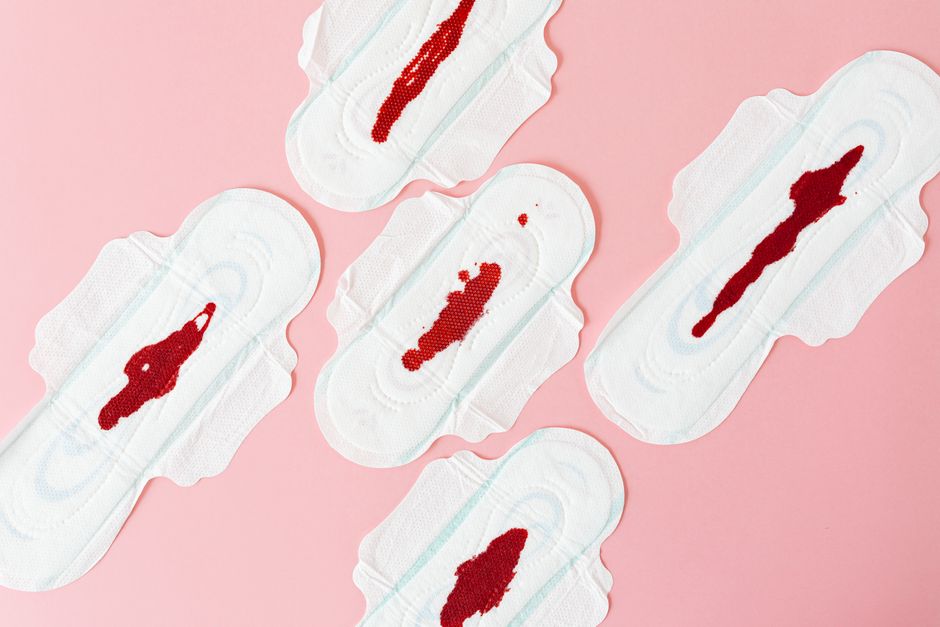
In this article, we’ll explore: Period poverty: A global menstrual health crisis and why it matters today.
Related:
👉 Why "BcozSheMatters" is the Health Revolution Women Have Been Waiting For
👉 Why Am I Not Losing Weight on Wegovy? Here’s What’s Really Going On
👉 Beyond the Taboo: Why Period Poverty Is a Global Menstrual Health Crisis We Can No Longer Ignore
Learn more: Period poverty: A global menstrual health crisis on Investopedia
Imagine for a second that every single month, you had to choose between buying a loaf of bread for your family or buying a pack of menstrual pads. Imagine having to use old rags, newspaper, or even dried leaves because you simply cannot afford the basic products needed to manage your period with dignity. For millions of people around the world, this isn’t a scary “what if” scenario—it is their monthly reality.
When we talk about period poverty: a global menstrual health crisis, we aren’t just talking about a lack of tampons or pads. We are talking about a systemic failure that strips people of their education, their health, and their fundamental human rights. It is a quiet crisis, often whispered about in shadows because of the deep-rooted social stigma surrounding menstruation. But it’s time we start talking about it loudly.
What Exactly is Period Poverty?
At its core, period poverty is the lack of access to sanitary products, menstrual hygiene education, toilets, hand-washing facilities, and waste management. While it is often framed as a financial issue, it is much broader than that. It is a complex mix of economic, social, and political barriers.
Think about a young girl in a rural village. Even if she could find a way to pay for a pad, does she have a private bathroom at school to change it? Does she have clean water to wash her hands? Does she have a teacher who explains that her body isn’t “broken” or “dirty” when she bleeds? If the answer to any of these is “no,” she is experiencing period poverty.
The Hidden Impact on Education
One of the most heartbreaking aspects of this crisis is how it affects young students. Education is supposed to be the great equalizer, but for those dealing with period poverty, it becomes a source of anxiety and shame.
In many parts of Sub-Saharan Africa, it is estimated that one in ten girls misses school during their period. Over the course of a school year, that adds up to a massive gap in learning. When a girl misses a week of school every month, she falls behind. Eventually, many of these girls drop out entirely. This doesn’t just hurt the individual; it hurts entire communities by limiting the potential of half the population.
Real-World Example: Maya’s Story
In a small town in India, 14-year-old Maya used to be at the top of her class. When she started her period, her family couldn’t afford store-bought pads. She tried using old pieces of cloth, but they often leaked. After being teased by boys at school when a stain appeared on her uniform, Maya stopped going to school during her “days.” Eventually, the gap in her education became too wide, and she stopped attending altogether. Maya’s story isn’t unique; it’s a pattern repeated millions of times over across the globe.
It’s Not Just a Developing World Problem
There is a common misconception that period poverty only happens in low-income countries. This couldn’t be further from the truth. In high-income nations like the United States, the United Kingdom, and Australia, the cost of living crisis has pushed menstrual products out of reach for many.
- In the UK, a survey found that 1 in 10 girls had been unable to afford sanitary wear.
- In the United States, many states still categorize tampons and pads as “luxury items,” meaning they are subject to sales tax (often called the “Pink Tax”), while items like Viagra or Rogaine are exempt in some places.
- Low-income individuals often have to rely on food banks for menstrual products, but these items are frequently the least donated and the first to run out.
When you are living on the edge of poverty, a $10 box of tampons is a massive expense. For a homeless person, the situation is even more dire. Finding a clean, safe place to manage a period while living on the streets is an uphill battle every single month.
The Health Risks We Rarely Discuss
When people cannot afford safe products, they turn to alternatives. This isn’t just uncomfortable; it’s dangerous. Using the same tampon for 24 hours because you only have one left can lead to Toxic Shock Syndrome (TSS), a life-threatening condition. Using dirty rags or newspapers can lead to severe reproductive and urinary tract infections.
Furthermore, the mental health toll is significant. The constant stress of wondering how you will manage your next cycle, combined with the shame of potential leaks, leads to increased rates of anxiety and depression among those experiencing period poverty.
Breaking the Stigma: The Cultural Barrier
We cannot solve period poverty: a global menstrual health crisis without addressing the “shame factor.” In many cultures, menstruation is still seen as “taboo” or “impure.”
In some regions, menstruating people are forbidden from cooking, entering religious spaces, or even sleeping in the same house as their families. This isolation reinforces the idea that periods are something to be ashamed of. When a topic is shrouded in shame, people don’t advocate for their needs. Politicians don’t debate it, and companies don’t prioritize it. Breaking the silence is the first step toward policy change.
Success Stories: Where Change is Happening
While the situation is serious, there is hope. We are seeing a global movement of activists, lawmakers, and everyday citizens standing up to demand change.
Scotland Leads the Way
In 2020, Scotland made history by becoming the first country in the world to make period products free for everyone. The Period Products (Free Provision) Act ensures that local authorities and education providers must make products available to anyone who needs them, free of charge. It was a landmark moment that proved that with enough political will, period poverty can be tackled head-on.
The “Padman” of India
Arunachalam Muruganantham, famously known as India’s “Padman,” revolutionized menstrual hygiene in rural India. After realizing his wife was using dirty rags, he invented a low-cost machine to manufacture sanitary pads. His work not only provided affordable products but also created jobs for women in rural villages, helping to break the stigma through economic empowerment.
Kenya’s Policy Shift
Kenya was one of the first countries to scrap the “tampon tax” entirely. The government also committed to distributing free sanitary pads to girls in public schools. While distribution challenges remain, the policy shift represents a massive step toward recognizing menstrual health as a public health priority.
How We Can Solve the Crisis
Ending period poverty requires a multi-pronged approach. There is no “silver bullet” solution, but there are clear steps we can take:
- Abolish the Tampon Tax: Menstrual products are a necessity, not a luxury. Governments must stop taxing them.
- Free Products in Public Spaces: Schools, libraries, and government buildings should provide free menstrual products, just as they provide free toilet paper and soap.
- Comprehensive Education: We need to educate everyone—not just girls—about menstruation. Normalizing the conversation helps eliminate stigma.
- Investment in Infrastructure: In developing regions, we must invest in clean water and private sanitation facilities in schools and workplaces.
- Support Sustainable Options: Providing reusable options like menstrual cups or period underwear can be a cost-effective, long-term solution for those with access to clean water to wash them.
Key Takeaways
- Period poverty is a global issue affecting millions in both wealthy and developing nations.
- It is a leading cause of school absenteeism for young girls, perpetuating the cycle of poverty.
- The lack of safe products leads to serious health risks, including infections and TSS.
- Cultural stigma prevents many people from seeking help or advocating for better policies.
- Countries like Scotland have proven that making products free and accessible is a viable solution.
FAQ: Understanding the Crisis
What is the main cause of period poverty?
The main causes are a combination of high costs of menstrual products, lack of education about menstrual health, and inadequate water and sanitation facilities. Social stigma also plays a huge role in keeping the issue hidden.
How does period poverty affect mental health?
It causes significant stress, anxiety, and a sense of “period shame.” The fear of leaking in public or being unable to stay clean can lead to social withdrawal and lower self-esteem.
Is period poverty only about women?
No. Period poverty affects anyone who menstruates, including transgender men and non-binary individuals. These groups often face even greater barriers to accessing safe facilities and products due to additional layers of discrimination.
How can I help end period poverty?
You can donate menstrual products to local food banks or shelters, support organizations like Period.org or ActionAid, and advocate for policy changes in your local community, such as removing taxes on period products.
Final Thoughts
The period poverty: a global menstrual health crisis is a reflection of how we value—or fail to value—the health and dignity of half the world’s population. It is a solvable problem. We have the resources; we just need the collective will to ensure that no one is ever forced to choose between their dignity and their dinner.
By talking about it, donating, and voting for policies that prioritize menstrual health, we can create a world where a period is just a natural biological process, not a barrier to a person’s dreams.
Written with love and assistance and refined for quality.
🔗 Related: Hormonal mechanisms of womens risk in…
🔗 Related: Research Shows This Supplement Can Help…