In this article, we’ll explore: Research Shows This Supplement Can Help Build Lean Muscle And Improve Brain Health and why it matters today.
Related:
👉 The Double-Duty Powerhouse: Why Research Shows This Supplement Can Help Build Lean Muscle And Improve Brain Health
👉 Genelia D’Souza Opens Up About Menopause Shaming: Why She’s Much Cooler at 40
👉 Why Am I Not Losing Weight on Wegovy? The Real Reasons the Scale Isn’t Budging
Learn more: Research Shows This Supplement Can Help Build Lean Muscle And Improve Brain Health on Investopedia
Imagine you’re standing in the supplement aisle of a health food store. To your left, there are rows of neon-colored tubs promising “explosive energy.” To your right, there are sleek bottles of “nootropics” claiming to turn you into the next Einstein. Most of us pick one or the other—we either train our bodies or we train our brains.
But what if I told you there was a single, budget-friendly powder that has been sitting under our noses for decades that does both? For years, it was tucked away in the gym bags of bodybuilders, hidden behind a reputation of “meathead” culture. However, recent research shows this supplement can help build lean muscle and improve brain health in ways that scientists are only beginning to fully appreciate.
We are talking about Creatine Monohydrate. And no, it’s not just for people who want to look like action figures. Whether you’re a 25-year-old athlete, a 45-year-old busy parent, or a 70-year-old looking to stay sharp, this might be the most important addition to your daily routine.
The Identity Crisis of Creatine
Before we dive into the heavy science, let’s clear the air. For a long time, creatine had a bit of a PR problem. People thought it was a steroid (it’s not), that it would destroy your kidneys (it won’t, provided you’re healthy), or that it would make you look “puffy.”
In reality, creatine is a naturally occurring compound found in red meat and fish. Our bodies even produce it in small amounts. It’s essentially a backup battery for your cells. When you do something high-intensity—like sprinting for a bus or lifting a heavy grocery bag—your body uses a molecule called ATP for energy. Creatine helps you “recharge” that battery faster.
But the real magic happens when we look at how that “recharge” affects more than just our biceps. It turns out, your brain is just as energy-hungry as your muscles.
How Creatine Builds Lean Muscle (Without the Fluff)
When people hear “muscle building,” they often think of bulky giants. But building lean muscle is about more than aesthetics; it’s about metabolic health, bone density, and longevity. Research shows this supplement can help build lean muscle and improve brain health by increasing the work capacity of your muscles.
1. More Reps, Better Results
Creatine doesn’t magically grow muscle while you sit on the couch. Instead, it gives your muscles the endurance to do one or two more repetitions during a workout. Over months, those extra reps add up to significant gains in strength and lean mass.
2. Cell Hydration
Creatine pulls water into your muscle cells. This isn’t the “bloating” people fear under their skin; it’s intracellular hydration. This makes the muscles look fuller and creates a better environment for muscle protein synthesis (the process of repairing and growing muscle tissue).
3. Reducing Myostatin
Some interesting studies suggest that creatine can lower levels of myostatin, a protein that actually slows down or inhibits muscle growth. By lowering this “brake,” your body can build lean tissue more efficiently.
The Brain Connection: The Secret Benefit
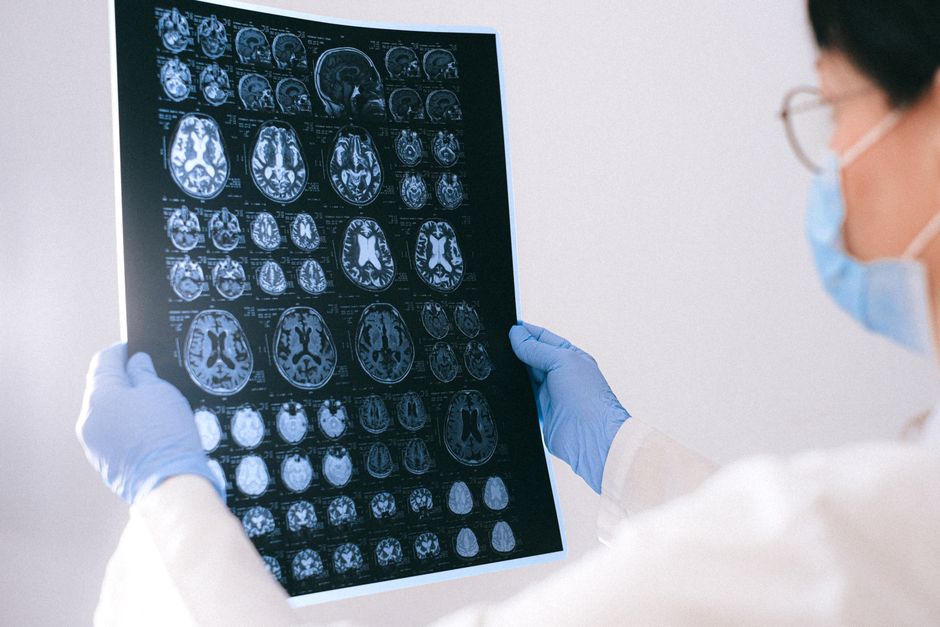
This is where the story gets really interesting. While the fitness world has known about creatine since the 1990s, the neuroscience community is just now catching on. Your brain is a massive energy consumer, using about 20% of your body’s total calories despite being only 2% of your weight.
Just like your muscles, your brain uses ATP to function. When you’re focused on a complex task, your brain’s energy levels can dip. Because research shows this supplement can help build lean muscle and improve brain health, scientists began testing it on cognitive performance.
Mental Fatigue and Focus
Have you ever had that “brain fog” feeling after a long day of Zoom calls? That’s mental fatigue. Studies have shown that creatine supplementation can help maintain mental performance during demanding tasks. It’s like giving your brain a second wind.
Sleep Deprivation Support
We’ve all been there—tossing and turning, only to have to give a presentation the next morning. Research has indicated that creatine can actually help mitigate some of the cognitive declines that happen when we are short on sleep. It helps the brain maintain its “energy status” even when the rest of the body is tired.
Neuroprotection for the Long Haul
As we age, our brains naturally lose some of their efficiency. There is emerging evidence that creatine may play a role in protecting against neurodegenerative diseases by ensuring the brain always has a steady supply of energy to keep its “wiring” healthy.
A Real-World Example: Sarah’s Story
Let’s look at Sarah, a 38-year-old marketing manager and mother of two. Sarah started lifting weights twice a week to “tone up” and stay healthy. However, she often felt too exhausted after work to give her workouts any real effort. She also struggled with “mom brain”—forgetting keys, losing her train of thought during meetings, and feeling sluggish by 3:00 PM.
After reading that research shows this supplement can help build lean muscle and improve brain health, she decided to try 5 grams of creatine daily. She didn’t turn into a bodybuilder overnight. Instead, she noticed that by week three, she could finish her workouts without feeling like she needed a nap immediately after. More importantly, her afternoon “slump” at the office began to vanish. She felt sharper, more present, and less “fried” by the end of the day.
Sarah’s experience is a classic example of how creatine works. It’s subtle, but it provides the foundation for better physical and mental performance.
Is It Safe? (Addressing the Myths)
If you search the internet, you might find some scary-sounding claims. Let’s debunk them with facts:
- “It’s bad for your kidneys.” False. In healthy individuals, hundreds of studies have shown no adverse effects on kidney function. If you have pre-existing kidney disease, you should always talk to your doctor first, but for the general population, it’s remarkably safe.
- “It causes hair loss.” This came from a single study on rugby players years ago that showed an increase in DHT (a hormone linked to hair loss). However, this study has never been replicated, and dozens of other studies have found no link between creatine and baldness.
- “You’ll gain fat.” Creatine has zero calories. Any weight gain in the first week is simply water being stored in the muscles—which is actually a good thing for performance.
How to Take Creatine for Maximum Benefit
You don’t need fancy “buffered” or “liquid” versions. Plain old Creatine Monohydrate is the most researched and most effective form.
- The Dose: 3 to 5 grams per day is the “sweet spot” for almost everyone.
- The Timing: It doesn’t really matter when you take it. Consistency is key. Take it every single day, even on days you don’t exercise.
- The Method: Mix it with water, juice, or your morning coffee. It’s virtually tasteless.
- The “Loading” Phase: Some people take 20 grams a day for the first week to saturate their muscles faster. You can do this, but it’s not necessary. Taking 5 grams a day will get you to the same place in about three weeks.
Key Takeaways
- Dual Benefits: Creatine is one of the few supplements that effectively bridges the gap between physical fitness and mental clarity.
- Muscle Health: It helps build lean muscle by increasing energy availability (ATP) for higher-intensity work.
- Brain Power: It supports cognitive function, reduces mental fatigue, and may help during periods of sleep deprivation.
- Safety: It is one of the most researched supplements in history, with a stellar safety profile.
- Simplicity: Stick to 5g of Creatine Monohydrate daily for the best results.
Frequently Asked Questions (FAQ)
Does creatine make you look bloated?
No, it doesn’t cause “belly bloat.” It increases water retention *inside* the muscle cells, which actually makes your muscles look firmer and more defined, not soft or puffy.
Can women take creatine?
Absolutely! In fact, some research suggests women may benefit even more than men, particularly regarding brain health and mood regulation during hormonal shifts.
Do I need to “cycle” off creatine?
There is no evidence that you need to stop taking it. Your body does not stop producing its own creatine just because you are supplementing, and long-term use is considered safe.
Will I lose muscle if I stop taking it?
You might lose a little bit of water weight from the muscles, but you won’t lose the actual muscle fiber you built while using it. Your strength might dip slightly because your “backup battery” isn’t as full, but the gains remain.
Can I get enough creatine from food?
It’s difficult. You would need to eat about 2-3 pounds of raw steak per day to get 5 grams of creatine. Supplementing is much more practical and cost-effective.
Final Thoughts
In a world full of overhyped “superfoods” and expensive “bio-hacks,” creatine stands out as a reliable, science-backed tool. Research shows this supplement can help build lean muscle and improve brain health, making it a rare “two-for-one” win for your body. Whether you want to hit a new personal best in the gym or just want to stay sharp during a grueling work week, it’s time to give this misunderstood supplement a second look.
Your muscles—and your brain—will thank you.
Written with love and assistance and refined for quality.
🔗 Related: Making sense of the widening gender…
🔗 Related: Genelia DSouza opens up about menopause…