In this article, we’ll explore: 8 Foods To Avoid With an Upset Stomachand What To Eat Instead and why it matters today.
Related:
👉 Unlocking the Womb's Secrets: How PCOS Affects Endometrial Receptivity, ER, and Histone Lactylation
👉 8 Foods To Avoid With an Upset Stomach and What To Eat Instead: Your Guide to Feeling Better, Faster
👉 Unraveling the Invisible Threads: How Hormones Shape Women's Risk in the Face of Traumatic Stress
Recommended product: 8 Foods To Avoid With an Upset Stomachand What To Eat Instead on Clickbank
Learn more: 8 Foods To Avoid With an Upset Stomachand What To Eat Instead on Wikipedia
We’ve all been there. That familiar, unwelcome gurgle, the sudden cramp, the general feeling of unease that signals an upset stomach is brewing. It’s a truly miserable experience, often leaving us curled up on the couch, wondering what on earth we could have eaten to deserve such discomfort. When your tummy is doing flip-flops, the last thing you want is to make things worse. In fact, what you choose to put into your body during these sensitive times can either soothe the storm or intensify it.
Navigating the culinary landscape with a tender tummy can feel like walking through a minefield. You want relief, comfort, and a swift return to normalcy, but sometimes, our cravings betray us. Eating the wrong thing can prolong the agony, irritate your digestive system further, and leave you feeling even more depleted. That’s why understanding which foods to steer clear of and, more importantly, what gentle alternatives can offer solace, is incredibly empowering.
This guide isn’t just about what to skip; it’s about empowering you with knowledge to make smart, comforting choices when your stomach isn’t feeling its best. We’re going to dive deep into **8 foods to avoid with an upset stomach and what to eat instead**, helping you find your way back to digestive peace. So, let’s turn that frown upside down and give your gut the tender loving care it deserves.
The “No-Go” List: Foods That Can Worsen an Upset Stomach
When your digestive system is already in distress, certain foods act like unwelcome guests, stirring up more trouble. Here are the top culprits to avoid:
1. Spicy Foods
There’s nothing quite like the kick of a fiery chili, a zesty curry, or a generously spiced taco. But when your stomach is already feeling delicate, that “kick” can turn into a literal punch. Capsaicin, the compound responsible for the heat in chili peppers, can irritate the lining of your esophagus and stomach, leading to heartburn, indigestion, and even increased stomach pain. Imagine trying to calm a sensitive area by pouring a little extra fire on it – not a great idea, right?
Story Time: My friend Sarah once tried to “sweat out” a cold with a super spicy ramen, only to find herself doubled over with stomach cramps an hour later. Her upset stomach just got a whole lot worse!
What to Eat Instead: Opt for bland, comforting foods. Think plain boiled chicken, steamed white rice, or a simple baked potato. These offer energy without any irritating compounds.
2. High-Fat & Greasy Foods
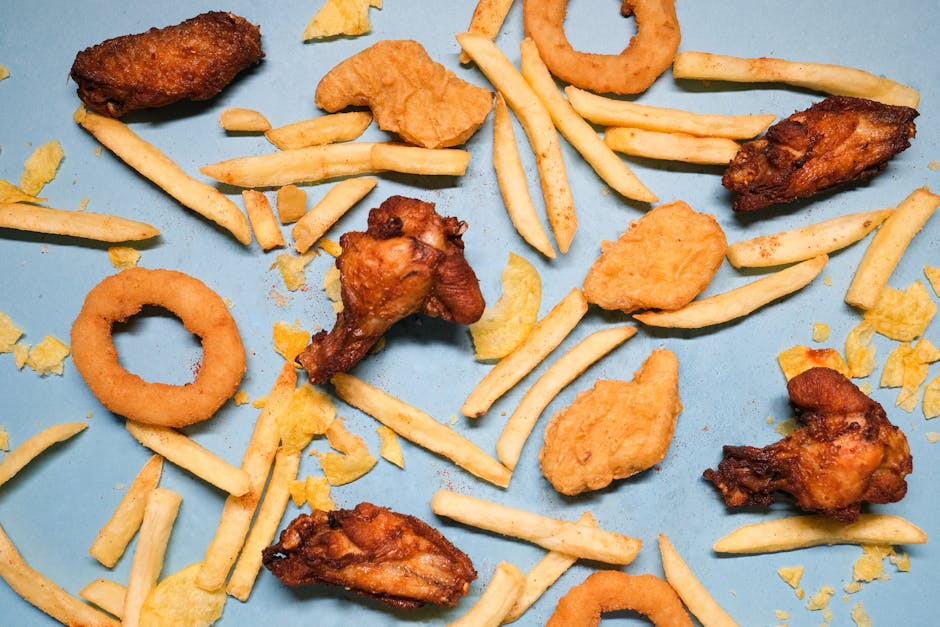
Burgers, fries, pizza, fried chicken – oh, how tempting they can be! But these greasy delights are notorious for slowing down digestion. Fats are complex molecules that take a lot longer for your body to break down compared to carbohydrates or proteins. When your stomach is upset, its digestive processes are already compromised. Loading it with fatty foods forces it to work even harder, potentially leading to nausea, bloating, and even diarrhea.
What to Eat Instead: Lean proteins like grilled chicken or fish, and simple carbohydrates such as toast or crackers. These are much easier for your stomach to process.
3. Dairy Products (Especially Full-Fat)
For many people, dairy can be a source of digestive woes even on a good day. If you’re lactose intolerant, your body lacks the enzyme lactase needed to break down lactose, the sugar found in milk. When your stomach is already upset, consuming dairy can exacerbate symptoms like bloating, gas, cramps, and diarrhea. Even if you’re not lactose intolerant, the fat content in full-fat dairy can be hard to digest, similar to other greasy foods.
What to Eat Instead: If you love dairy, consider lactose-free milk or plant-based alternatives like almond milk or oat milk. Small amounts of plain, low-fat yogurt with live cultures might be okay for some, as the cultures help break down lactose, but proceed with caution.
4. Acidic Foods (Citrus Fruits & Tomatoes)
Oranges, grapefruits, lemons, and tomatoes are packed with vitamins and antioxidants, making them wonderful for your health normally. However, their high acidity can be a real problem for an irritated stomach lining. If you’re experiencing heartburn, acid reflux, or general stomach upset, these foods can trigger a burning sensation and worsen discomfort. Imagine trying to soothe an open wound with lemon juice – ouch!
What to Eat Instead: Stick to less acidic fruits like bananas, applesauce, or melon. For vegetables, opt for cooked carrots or green beans.
5. Caffeinated & Alcoholic Beverages
Your morning coffee might be a ritual, but when your stomach is protesting, it’s best to hit pause. Caffeine is a stimulant that can increase stomach acid production and act as a laxative, potentially worsening diarrhea or acid reflux. Alcohol, on the other hand, is a direct irritant to the stomach lining. It can cause inflammation, disrupt digestion, and even dehydrate you, making your upset stomach feel even worse.
Story Time: Mark, a self-proclaimed coffee addict, once tried to power through a stomach bug with his usual triple espresso. He quickly realized it was a mistake when his nausea intensified and he felt even more jittery and uncomfortable.
What to Eat Instead: Water is your best friend! Clear broths, diluted fruit juices (like apple juice), and herbal teas (ginger or peppermint are often soothing) are excellent choices for hydration and comfort.
6. Carbonated Drinks
That fizzy sensation might seem refreshing, but the bubbles in sodas, sparkling water, and other carbonated beverages introduce gas into your digestive system. This extra gas can lead to bloating, burping, and increased stomach discomfort, especially if you’re already feeling gassy or nauseous. It’s like adding more air to an already overinflated balloon.
What to Eat Instead: Plain water, still fruit juice (diluted), or clear broths. These provide hydration without the added gas.
7. Highly Processed & Sugary Foods
Ah, the siren song of cookies, cakes, candy, and highly processed snacks! While they offer a momentary burst of flavor, they do very little good for an upset stomach. These foods are often low in fiber and nutrients, but high in refined sugars and artificial additives. Sugar can feed bad bacteria in your gut, leading to gas and bloating, while artificial ingredients can be difficult for a sensitive stomach to process. They essentially offer empty calories without any healing properties.
What to Eat Instead: Focus on whole, unprocessed foods. Think plain toast, rice cakes, or simple crackers. For a touch of sweetness, a ripe banana is a much better choice.
8. Raw & High-Fiber Vegetables (Especially Cruciferous & Legumes)
Normally, we sing the praises of fiber-rich vegetables, and for good reason! They’re essential for a healthy digestive system. However, when your stomach is upset, raw vegetables, particularly those high in insoluble fiber like broccoli, cabbage, and beans (legumes), can be challenging to digest. They require more effort from your gut to break down, and the fermentation process in the colon can lead to excessive gas and bloating, exacerbating your discomfort.
What to Eat Instead: Opt for well-cooked, low-fiber vegetables like boiled carrots, peeled potatoes, or cooked spinach. These are much gentler on the digestive system.
Key Takeaways for a Happy Tummy
- Listen to Your Body: Everyone is different. Pay attention to how certain foods make you feel.
- Keep it Bland: When in doubt, bland is best. Think BRAT diet (Bananas, Rice, Applesauce, Toast) as a starting point.
- Hydration is Key: Sip on water, clear broths, and herbal teas to stay hydrated and soothe your system.
- Small, Frequent Meals: Instead of large meals, try eating smaller portions more often to avoid overwhelming your digestive system.
- Cooked is Better: For vegetables, cooking them thoroughly makes them easier to digest than raw options.
FAQ: Your Upset Stomach Questions Answered
Q: Is ginger good for an upset stomach?
A: Absolutely! Ginger is a well-known natural remedy for nausea and indigestion. You can sip on ginger tea (made from fresh ginger slices) or chew on a small piece of candied ginger. Its anti-inflammatory properties can help calm your stomach.
Q: How long should I stick to a bland diet?
A: Generally, you should stick to a bland diet until your symptoms subside, which could be anywhere from 24 hours to a few days. Gradually reintroduce other foods, one at a time, to see how your body reacts. If symptoms return, you’ll know which food might be the culprit.
Q: When should I see a doctor for an upset stomach?
A: While most upset stomachs resolve on their own, it’s important to seek medical attention if you experience severe pain, high fever, persistent vomiting, blood in your stool or vomit, or signs of dehydration (like decreased urination or extreme thirst). Always trust your instincts and consult a healthcare professional if you’re concerned.
Finding Your Way Back to Comfort
An upset stomach is never fun, but with a little knowledge and mindful eating, you can significantly ease your discomfort and speed up your recovery. By avoiding the 8 foods we’ve discussed and opting for their gentler alternatives, you’re giving your digestive system the best chance to heal and get back on track.
Remember, your body is incredibly resilient, but it needs your help to bounce back. So, the next time your tummy starts to grumble, reach for soothing, easily digestible options. Your gut will thank you for it, and you’ll be back to feeling like yourself in no time!
Written with love and assistance and refined for quality.
{“@context”:”https://schema.org”,”@type”:”Article”,”headline”:”Banish the Bellyache: 8 Foods To Avoid With an Upset Stomach and What To Eat Instead”,”description”:”In this article, weu2019ll explore: 8 Foods To Avoid With an Upset Stomachand What To Eat Instead and why it…”,”author”:{“@type”:”Person”,”name”:”Dr. Cuterus”},”datePublished”:”2026-05-16T10:37:10+00:00″,”dateModified”:”2026-05-16T10:37:10+00:00″,”mainEntityOfPage”:”https://healthyworldz.com/banish-the-bellyache-8-foods-to-avoid-with-an-upset-stomach-and-what-to-eat-instead/”,”image”:[“https://healthyworldz.com/wp-content/uploads/2026/05/8-foods-to-avoid-with-an-upset-stomachand-what-to-eat-instead-61.jpg”]}
🔗 Related: Women with polycystic ovary syndrome exhibit…
🔗 Related: Hormonal mechanisms of womens risk in…
🔗 Related: 8 Foods To Avoid With an…