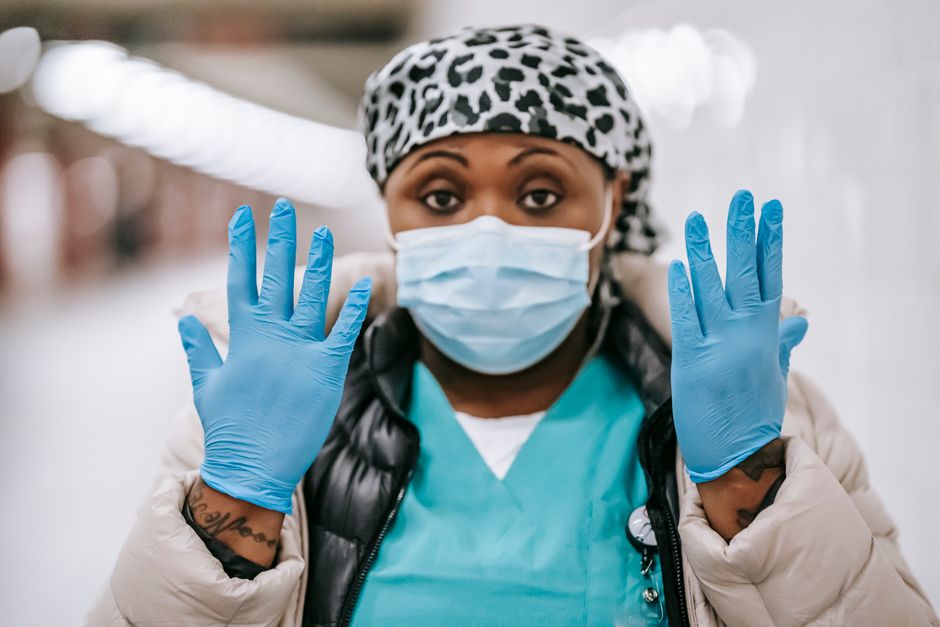
In this article, we’ll explore: BcozSheMatters: WHO Health Ministry roll out campaign on women and girls health and well-being and why it matters today.
Related:
👉 Why Getting Pregnant with PCOS is More Than Just Ovulation: The Science of Endometrial Receptivity
👉 The Invisible Patient: Why Women’s Health Needs a System Redesign to Close the Diagnostics Gap
👉 Why Am I Losing Inches But Not Weight? Here Are 4 Possible Reasons The Scale Isn't Changing
Learn more: BcozSheMatters: WHO Health Ministry roll out campaign on women and girls health and well-being on Wikipedia
Imagine a world where every woman, regardless of where she lives or how much she earns, has the power to prioritize her own health without guilt. For too long, women have been the primary caregivers for everyone else—their children, their aging parents, their partners—often leaving their own well-being at the very bottom of the “to-do” list. But things are finally shifting.
The recent announcement of BcozSheMatters: WHO Health Ministry roll out campaign on women and girls health and well-being marks a significant turning point in global healthcare. This isn’t just another government initiative with a fancy acronym; it’s a movement designed to put the spotlight back where it belongs: on the physical, mental, and emotional health of women and girls everywhere.
In this post, we’re going to dive deep into what this campaign actually means for the average woman, why it’s a game-changer, and how it aims to break the barriers that have kept women’s health in the shadows for decades.
What Exactly is the BcozSheMatters Campaign?
At its core, the BcozSheMatters initiative is a collaborative effort between the World Health Organization (WHO) and national Health Ministries. The goal is simple yet profound: to ensure that every girl and woman has access to the information, resources, and medical care she needs to thrive.
For years, “women’s health” was often reduced to just maternal health—pregnancy and childbirth. While those are incredibly important, they aren’t the whole story. The BcozSheMatters campaign expands this view. It looks at the girl in school who needs menstrual hygiene support, the working woman struggling with burnout and hormonal imbalances, and the elderly woman who needs specialized geriatric care.
By launching BcozSheMatters: WHO Health Ministry roll out campaign on women and girls health and well-being, authorities are acknowledging that a woman’s health journey is lifelong and multifaceted. It’s about prevention, education, and breaking the taboos that often prevent women from seeking help.
The Ripple Effect: Why “She” Matters to Everyone
There’s an old saying: “When you educate a woman, you educate a nation.” The same applies to health. When a woman is healthy, her family is healthier, her community is more stable, and the economy is stronger.
Think about a typical household. In many cultures, the woman is the “Chief Health Officer” of the home. She’s the one who notices when a child has a fever or when a grandparent is acting confused. If she is struggling with chronic pain, undiagnosed depression, or nutritional deficiencies, the entire support system of that family begins to crumble.
Real-World Example: The Story of Sarah
Take Sarah, a 38-year-old teacher and mother of two. For months, Sarah felt exhausted. She chalked it up to “just being a busy mom.” She skipped her annual check-ups because her kids had soccer practice and her husband had work meetings. By the time she finally collapsed and went to the doctor, she was diagnosed with severe anemia and a thyroid disorder that could have been managed months earlier.
The BcozSheMatters campaign is for women like Sarah. It’s a reminder—and a systemic push—to make sure Sarah doesn’t have to choose between her family’s schedule and her own life-saving medical appointments.
The Four Pillars of the Campaign
The WHO and Health Ministry haven’t just thrown a slogan at the wall; they’ve built this campaign on four very specific pillars. Let’s break them down:
1. Preventive Care and Early Screening
Early detection saves lives. The campaign aims to make screenings for breast cancer, cervical cancer, and cardiovascular diseases more accessible. In many rural areas, these tests are either too expensive or too far away. BcozSheMatters is working to bring mobile screening units and subsidized testing to these underserved communities.
2. Mental Health and Emotional Well-being
This is perhaps the most “human” part of the initiative. Society often expects women to be “strong” and “resilient,” which is often code for “suffer in silence.” Whether it’s postpartum depression, anxiety related to workplace discrimination, or the mental toll of caregiving, this campaign is opening up the conversation. It’s about saying: “It’s okay not to be okay, and here is where you can get help.”
3. Nutritional Security
Anemia and malnutrition still affect millions of girls and women globally. This pillar focuses on education regarding iron-rich diets and providing supplements in schools and community centers. If a girl starts her life healthy and well-nourished, her chances of a successful, healthy adulthood skyrocket.
4. Menstrual Health and Hygiene (MHH)
It’s 2024, yet millions of girls still miss school because they don’t have access to pads or clean toilets. BcozSheMatters is pushing for policy changes that treat menstrual products as a necessity, not a luxury, and aims to eliminate the stigma that still surrounds a natural biological process.
Breaking the Taboos: It’s Time to Talk
One of the biggest hurdles in women’s health isn’t just a lack of money; it’s a lack of conversation. In many parts of the world, topics like menopause, reproductive health, and even basic anatomy are considered “shameful” to discuss openly.
The BcozSheMatters: WHO Health Ministry roll out campaign on women and girls health and well-being is taking this head-on. By using social media, community leaders, and local “health ambassadors,” the campaign is normalizing these conversations. When we talk about these things openly, the shame disappears. And when the shame disappears, women feel empowered to walk into a clinic and ask for help.
- Community Workshops: Local leaders are being trained to discuss women’s health in village squares and community centers.
- Digital Literacy: Creating easy-to-use apps where women can track their symptoms and chat with healthcare professionals anonymously.
- School Programs: Teaching boys and girls alike that women’s health is a human rights issue, not just a “woman’s problem.”
How Technology is Powering the Campaign
We live in a digital age, and the WHO is leaning into that. A major part of the BcozSheMatters rollout involves “Telehealth.” For a woman living in a remote mountain village, seeing a specialist might involve a two-day journey. Now, through this campaign, the Health Ministry is setting up digital kiosks where she can have a video consultation with a doctor in the city.
Furthermore, data is being used to identify “health deserts”—areas where women’s health outcomes are particularly poor. By identifying these spots, the campaign can funnel resources, doctors, and supplies exactly where they are needed most, rather than using a one-size-fits-all approach.
Key Takeaways: What You Need to Know
If you’re looking for the “too long; didn’t read” version, here are the most important points about the BcozSheMatters initiative:
- Holistic Approach: It moves beyond just maternal health to cover mental health, nutrition, and aging.
- Accessibility: The focus is on bringing care to the woman, rather than making her jump through hoops to find it.
- Stigma Reduction: A major goal is to make talking about women’s health as normal as talking about the weather.
- Global and Local: While the WHO provides the framework, local Health Ministries are tailoring the campaign to fit their specific cultural needs.
- Empowerment: The end goal is to give women the agency to take charge of their own bodies and futures.
The Road Ahead: What Can We Do?
Governments and international organizations can do a lot, but they can’t do everything. The success of BcozSheMatters: WHO Health Ministry roll out campaign on women and girls health and well-being also depends on us—the friends, family members, and individuals in the community.
We can start by checking in on the women in our lives. We can advocate for better health policies in our own workplaces. We can support local charities that provide menstrual products to schools. Most importantly, we can stop the “superwoman” myth. We need to stop praising women for “pushing through” pain and start praising them for taking the time to heal.
FAQ: Frequently Asked Questions
Is this campaign only for developing countries?
No. While the challenges might differ, women in developed nations also face significant health disparities, particularly in mental health access and the gender pain gap (where women’s pain is often taken less seriously by doctors). The BcozSheMatters campaign is a global initiative.
How is the BcozSheMatters campaign being funded?
Funding comes from a mix of WHO grants, national health budgets, and private-public partnerships with healthcare technology companies and NGOs.
Can men participate in this campaign?
Absolutely! In fact, the campaign encourages men to be “Health Allies.” When fathers, brothers, and husbands support the health of the women in their lives, the positive outcomes are much higher.
Where can I find resources related to the campaign?
You can visit the official WHO website or your local Ministry of Health portal. Many regions are also launching dedicated BcozSheMatters social media pages to provide daily tips and local clinic locations.
Final Thoughts
The launch of BcozSheMatters: WHO Health Ministry roll out campaign on women and girls health and well-being is a breath of fresh air. It’s a recognition that for the world to be healthy, “she” has to be healthy. It’s an invitation for every woman to step out of the background and realize that her health isn’t a luxury—it’s a fundamental right.
Let’s support this movement, not just because it’s a good policy, but because she matters. She always has.
Written with love and assistance and refined for quality.
{“@context”:”https://schema.org”,”@type”:”Article”,”headline”:”BcozSheMatters: How the New WHO and Health Ministry Campaign is Changing the Narrative on Womenu2019s Wellness”,”description”:”In this article, weu2019ll explore: BcozSheMatters: WHO Health Ministry roll out campaign on women and girls health and well-being and…”,”author”:{“@type”:”Person”,”name”:”Dr. Cuterus”},”datePublished”:”2026-06-03T08:10:29+00:00″,”dateModified”:”2026-06-03T08:10:29+00:00″,”mainEntityOfPage”:”https://healthyworldz.com/bcozshematters-how-the-new-who-and-health-ministry-campaign-is-changing-the-narrative-on-womens-wellness/”,”image”:[“https://healthyworldz.com/wp-content/uploads/2026/06/bcozshematters-who-health-ministry-roll-out-campaign-on-women-and-girls-health-and-well-being-11.jpg”]}
🔗 Related: Hormonal mechanisms of womens risk in…
🔗 Related: Why womens health needs a system…