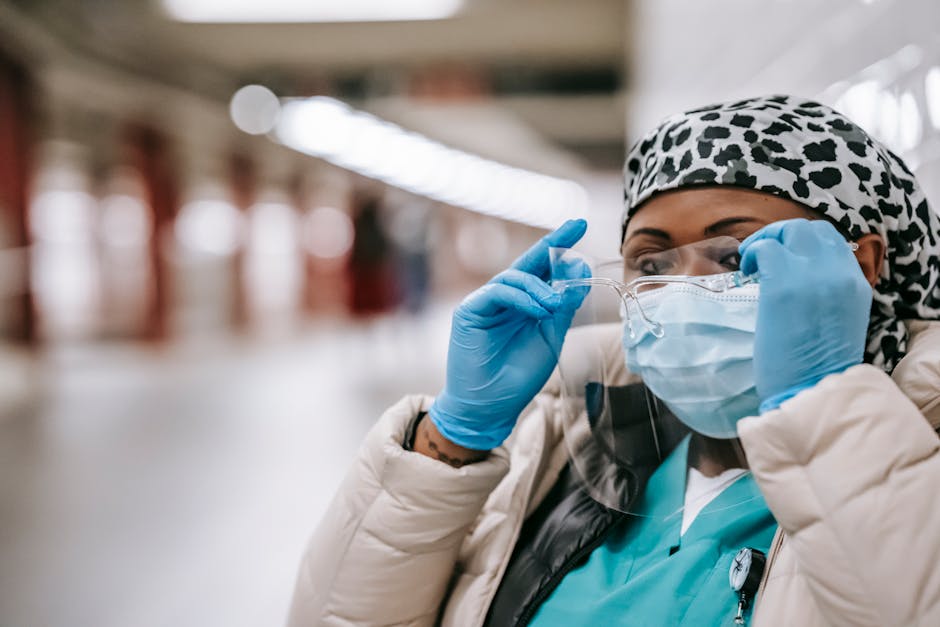
In this article, we’ll explore: BcozSheMatters: WHO Health Ministry roll out campaign on women and girls health and well-being and why it matters today.
Related:
👉 8 Foods To Avoid With an Upset Stomach and What To Eat Instead: A Survival Guide for Your Gut
👉 Why Stress Hits Differently: Understanding the Hormonal Mechanisms of Women’s Risk in the Face of Traumatic Stress
👉 BcozSheMatters: How the WHO and Health Ministry Are Changing the Game for Women’s Health
Think about the women in your life for a moment. Your mother, who might have ignored her own nagging back pain to make sure you finished your homework. Your sister, who balances a high-pressure job while managing a household. Or perhaps a young girl in your neighborhood who dreams of becoming a doctor but misses school every month because she lacks basic hygiene supplies. For too long, women have been the backbone of our society, yet their own health and well-being have often been pushed to the bottom of the priority list.
This is exactly why the latest initiative has everyone talking. The BcozSheMatters: WHO Health Ministry roll out campaign on women and girls health and well-being is more than just a government program; it is a long-overdue movement. It’s a global and local handshake aimed at ensuring that from the moment a girl is born until her senior years, her health is never treated as an afterthought.
In this post, we’re going to dive deep into what this campaign actually looks like, why it’s a game-changer, and how it plans to tackle the unique challenges women face in today’s world.
What is the BcozSheMatters Campaign All About?
At its heart, the “BcozSheMatters” campaign is a collaborative effort between the World Health Organization (WHO) and the Ministry of Health. The goal is simple yet profound: to create a healthcare system that actually understands and caters to women. For decades, medical research and healthcare delivery have often used a “one-size-fits-all” approach, which—let’s be honest—usually meant a “one-size-fits-men” approach.
The BcozSheMatters: WHO Health Ministry roll out campaign on women and girls health and well-being seeks to change that narrative. It focuses on a “life-course approach.” This means the campaign doesn’t just care about women when they are pregnant. It cares about them as toddlers, as teenagers navigating puberty, as working professionals, and as elders navigating menopause and beyond.
By focusing on the specific biological, social, and economic factors that affect women, the campaign aims to bridge the gap in health outcomes that has existed for far too long.
The Four Pillars of the Campaign
To make a real impact, the campaign isn’t just throwing money at the problem. It is focusing on four strategic areas that have the biggest influence on a woman’s quality of life.
1. Adolescent Health and Menstrual Dignity
In many parts of the world, a girl’s health journey hits a major roadblock the moment she starts her period. Whether it’s due to social stigma or a lack of affordable sanitary products, millions of girls lose out on education and health during this time. The campaign is rolling out educational programs in schools to normalize menstruation and providing better access to hygiene products. Because when a girl stays in school, her health outcomes improve for the rest of her life.
2. Maternal and Reproductive Excellence
While maternal mortality rates have dropped globally, they are still unacceptably high in many regions. The campaign is working to ensure that every woman has access to high-quality prenatal and postnatal care. This isn’t just about survival; it’s about thriving. It includes mental health support for postpartum depression—a topic that is finally getting the attention it deserves.
3. Non-Communicable Diseases (NCDs) and Screenings
Did you know that heart disease is often underdiagnosed in women because their symptoms look different than men’s? Or that cervical cancer is almost entirely preventable with the right screenings and HPV vaccinations? The BcozSheMatters initiative is setting up mobile screening clinics to bring life-saving tests directly to women in rural and underserved urban areas.
4. Mental Health and Empowerment
Women are statistically more likely to experience anxiety and depression, often linked to societal pressures, domestic roles, and gender-based violence. The campaign is integrating mental health services into primary healthcare, making it easier for women to seek help without the fear of being judged.
Real-World Impact: Meet Anjali and Sarah
To understand why the BcozSheMatters: WHO Health Ministry roll out campaign on women and girls health and well-being is so vital, let’s look at two hypothetical but very realistic examples.
Anjali’s Story: Anjali is a 14-year-old living in a rural village. Before the campaign reached her area, she used to stay home for five days every month. She fell behind in her classes and felt ashamed. Through the BcozSheMatters initiative, her school received a “Dignity Kit” and held a workshop for both boys and girls. Today, Anjali doesn’t miss a single day of school, and she understands that her body is nothing to be ashamed of.
Sarah’s Story: Sarah is 52 and lives in a busy city. She’s been feeling exhausted and having “weird” chest pains, but she assumed it was just stress from work. A BcozSheMatters pop-up clinic at her local community center offered free cardiovascular screenings. The nurses caught an underlying heart condition early. Because of the campaign’s focus on female-specific symptoms, Sarah is now on a treatment plan and back to her active self.
Why “She Matters” to the Economy
If the moral argument isn’t enough, there is a massive economic argument for this campaign. When women are healthy, societies prosper. According to the WHO, investing in women’s health provides a massive return on investment. Healthy women are more likely to participate in the workforce, and healthy mothers tend to have healthier children, breaking the cycle of poverty.
The campaign emphasizes that women’s health is not a “niche” issue. It is a fundamental pillar of global development. When the Ministry of Health rolls out these programs, they aren’t just helping individuals; they are strengthening the entire nation’s infrastructure.
Breaking the Taboos
One of the bravest parts of the BcozSheMatters campaign is its willingness to talk about things that were previously whispered. We are talking about menopause, sexual health, and the physical toll of domestic labor. By bringing these topics into the light, the WHO and the Health Ministry are stripping away the stigma.
For example, the campaign includes “Health Cafés”—safe spaces where women can gather to talk to healthcare professionals about anything from contraception to the mood swings of perimenopause. It’s about building a community where “She Matters” isn’t just a slogan, but a lived reality.
Key Takeaways from the Campaign
- Holistic Focus: The campaign covers the entire lifespan of a woman, from childhood to old age.
- Accessibility: By using mobile clinics and community centers, the campaign brings healthcare to those who can’t travel to big hospitals.
- Education: A huge part of the initiative is teaching girls and women about their own bodies, empowering them to advocate for themselves.
- Mental Health Integration: Moving beyond physical health to include emotional and psychological well-being.
- Collaborative Effort: A powerful partnership between the WHO’s global expertise and the Ministry of Health’s local reach.
How You Can Support the Movement
You don’t have to be a doctor or a government official to make a difference. The spirit of BcozSheMatters: WHO Health Ministry roll out campaign on women and girls health and well-being can be carried forward by all of us.
Start by checking in on the women in your life. Encourage your friends to go for their annual screenings. Support local businesses that provide fair maternity leave and health benefits. Most importantly, let’s keep the conversation going. The more we talk about women’s health, the less it can be ignored.
Conclusion: A Future Where She Thrives
The rollout of the BcozSheMatters campaign marks a turning point. It’s a signal that we are finally moving away from a world where women’s health is a luxury and toward a world where it is a right. By addressing everything from menstrual hygiene to elderly care, the WHO and the Health Ministry are building a foundation for a healthier, more equitable world.
Because at the end of the day, when she thrives, we all thrive. It’s that simple. Let’s support this initiative, share the knowledge, and ensure that every girl and woman knows that her health matters—simply because she matters.
Frequently Asked Questions (FAQ)
1. Who is eligible for the services under the BcozSheMatters campaign?
The campaign is designed to be inclusive, targeting all women and girls regardless of their socio-economic background. Special focus is given to those in rural areas, marginalized communities, and urban slums where healthcare access is typically limited.
2. Does the campaign only focus on pregnancy?
No! That is one of the biggest misconceptions. While maternal health is a key pillar, the campaign covers adolescent health, menstrual hygiene, non-communicable diseases (like cancer and diabetes), and geriatric (elderly) care for women.
3. How can I find a BcozSheMatters clinic near me?
The Ministry of Health will be publishing a schedule of mobile clinic locations on their official website and through local community centers. You can also check with your local primary healthcare provider for information on integrated BcozSheMatters services.
4. Is there a cost associated with the screenings?
Most of the primary screenings and educational workshops offered through the campaign’s mobile units and public health centers are provided free of charge or at a highly subsidized rate to ensure that financial status is not a barrier to health.
5. Why is the WHO involved in a local health campaign?
The WHO provides the technical expertise, global data, and standardized guidelines to ensure that the campaign follows international best practices. Their involvement helps the local Ministry of Health implement strategies that have been proven to work in other parts of the world.
Written with love and assistance and refined for quality.
{“@context”:”https://schema.org”,”@type”:”Article”,”headline”:”BcozSheMatters: How the WHO and Health Ministry are Redefining Wellness for Every Woman and Girl”,”description”:”In this article, weu2019ll explore: BcozSheMatters: WHO Health Ministry roll out campaign on women and girls health and well-being and…”,”author”:{“@type”:”Person”,”name”:”Dr. Cuterus”},”datePublished”:”2026-05-28T01:05:23+00:00″,”dateModified”:”2026-05-28T01:05:23+00:00″,”mainEntityOfPage”:”https://healthyworldz.com/bcozshematters-how-the-who-and-health-ministry-are-redefining-wellness-for-every-woman-and-girl/”,”image”:[“https://healthyworldz.com/wp-content/uploads/2026/05/bcozshematters-who-health-ministry-roll-out-campaign-on-women-and-girls-health-and-well-being-33.jpg”]}
🔗 Related: Hormonal mechanisms of womens risk in…
🔗 Related: Hormonal mechanisms of womens risk in…
🔗 Related: Hormonal mechanisms of womens risk in…