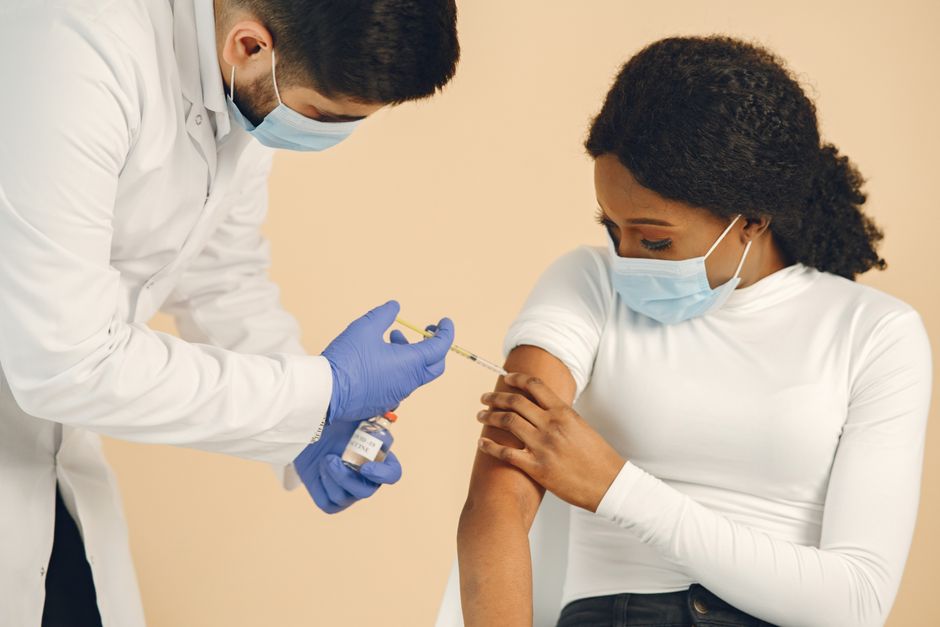
In this article, we’ll explore: BcozSheMatters: WHO Health Ministry roll out campaign on women and girls health and well-being and why it matters today.
Related:
👉 The Invisible Patient: Why Women’s Health Needs a System Redesign to Close the Diagnostics Gap
👉 Why Her Health Changes the World: Everything You Need to Know About the #BcozSheMatters Campaign
👉 Understanding Why PCOS Affects Pregnancy: The New Science of Endometrial Receptivity and Histone Lactylation
Think about the women in your life for a moment. Your mother, who perhaps never missed a day of work or a meal for the family, even when she was exhausted. Your sister, juggling a career and a household. Your best friend, who smiles through the stress of everyday life. For too long, women have been the backbone of society, often at the cost of their own health. They are the last to eat, the last to sleep, and unfortunately, the last to seek medical help.
But the narrative is finally shifting. With the launch of BcozSheMatters: WHO Health Ministry roll out campaign on women and girls health and well-being, we are seeing a global movement that moves beyond just “awareness.” It is a call to action that recognizes a simple, undeniable truth: when a woman is healthy, a family thrives, a community prospers, and a nation grows stronger.
In this post, we’ll dive deep into what this campaign is all about, why it matters right now, and how it aims to change the lives of millions of girls and women around the world.
What Exactly is the BcozSheMatters Campaign?
At its core, BcozSheMatters: WHO Health Ministry roll out campaign on women and girls health and well-being is a collaborative initiative designed to bridge the gap in healthcare accessibility. It’s not just a set of posters in a hospital; it’s a comprehensive strategy that involves policy changes, grassroots outreach, and digital education.
The World Health Organization (WHO), in partnership with national Health Ministries, realized that a “one-size-fits-all” approach to healthcare doesn’t work for women. Women have unique biological, social, and economic challenges that require a specialized focus. This campaign focuses on the entire lifecycle of a female—from the early days of girlhood through adolescence, motherhood, and into the golden years of aging.
The “Why” Behind the Movement
You might wonder, “Why do we need a specific campaign for women?” The numbers tell a sobering story. Globally, women still face significant hurdles in accessing basic reproductive care. In many regions, menstrual hygiene is still a taboo subject, leading girls to drop out of school. Mental health issues like postpartum depression often go undiagnosed because of the “strong woman” stereotype. This campaign aims to dismantle these barriers one by one.
Real Stories: Why This Matters to People Like Anjali
To understand the impact of a campaign like this, let’s look at a real-world scenario. Meet Anjali, a 28-year-old living in a bustling suburban neighborhood. Anjali works a full-time job and cares for her aging parents. For months, she felt a persistent fatigue and occasional dizzy spells. She brushed it off as “just stress.”
It wasn’t until a local health drive—part of the BcozSheMatters initiative—visited her community center that she decided to get a quick check-up. She discovered she was severely anemic. Through the campaign’s resources, she received not just supplements, but also education on nutritional health that fit her busy lifestyle. Anjali isn’t just a statistic; she is a daughter and an employee whose life improved because the healthcare system finally reached out to her.
Stories like Anjali’s are what drive this initiative. It’s about making sure the “Anjalis” of the world don’t fall through the cracks of a busy, often indifferent healthcare system.
The Core Pillars of the Campaign
The BcozSheMatters: WHO Health Ministry roll out campaign on women and girls health and well-being isn’t just about general check-ups. It is built on several key pillars that address the most pressing needs of women today:
- Maternal and Reproductive Health: Ensuring that every pregnancy is safe and that every woman has the right to make informed decisions about her body.
- Menstrual Hygiene Management: Breaking the silence around periods and providing girls with the products and facilities they need to stay in school and live with dignity.
- Mental Health and Well-being: Creating safe spaces for women to talk about anxiety, depression, and the unique pressures of modern womanhood without fear of judgment.
- Preventative Care for Non-Communicable Diseases: Early screening for breast cancer, cervical cancer, and cardiovascular issues which are often detected too late in women.
- Nutrition and Lifestyle: Educating families on the importance of iron, folic acid, and balanced diets specifically tailored for the female body’s needs.
Breaking the Stigma: It’s More Than Just Medicine
One of the most refreshing aspects of this campaign is its focus on the social side of health. We can build a thousand clinics, but if a young girl is too ashamed to ask for a sanitary pad, or if a mother feels guilty for seeking therapy, those clinics will stay empty.
The WHO and Health Ministry are using “BcozSheMatters” to start uncomfortable conversations. They are engaging with community leaders, fathers, and husbands to explain that a woman’s health is a collective responsibility. By normalizing these topics, the campaign is creating an environment where women feel empowered to prioritize themselves.
The Role of Technology
In today’s world, a health campaign has to be digital. The roll-out includes mobile apps that track maternal health, WhatsApp bots that answer questions about puberty for young girls, and tele-consultation services that allow women in rural areas to speak to specialists in the city. This “health in your pocket” approach is a massive leap forward in making the campaign inclusive.
The Global Ripple Effect
When we talk about BcozSheMatters: WHO Health Ministry roll out campaign on women and girls health and well-being, we are talking about a ripple effect. Research consistently shows that women reinvest about 90% of their income back into their families. When a woman is healthy, her children are more likely to be vaccinated and educated. Her productivity at work increases, which boosts the local economy.
This isn’t just a “kind” thing to do; it’s a “smart” thing to do. By investing in the health of girls and women, the WHO and the Health Ministry are essentially investing in the future of the planet.
How Can You Get Involved?
A campaign of this scale needs more than just government funding; it needs the “human” element. Here is how you can be a part of the change:
- Educate Yourself and Others: Share the resources provided by the WHO. If you see a post about the BcozSheMatters campaign, hit that share button. You never know who might need to see it.
- Check on the Women in Your Life: Sometimes, a simple “How are you really feeling?” can be the catalyst for someone to seek the help they’ve been putting off.
- Support Local Initiatives: Look for local clinics or NGOs that are aligning with the Health Ministry’s goals and see if you can volunteer or donate.
- Advocate for Workplace Wellness: If you are in a leadership position, ensure your workplace has policies that support women’s health, such as menstrual leave or mental health days.
Key Takeaways
If you remember nothing else from this post, keep these points in mind:
- BcozSheMatters is a holistic campaign by the WHO and Health Ministry targeting the specific health needs of women and girls.
- The initiative covers everything from physical diseases to mental health and social taboos.
- It utilizes technology and community outreach to reach the most vulnerable populations.
- The campaign’s success depends on breaking social stigmas and encouraging women to put their health first.
- Supporting women’s health leads to better outcomes for families, economies, and society as a whole.
Frequently Asked Questions (FAQ)
1. Who is the primary target of the BcozSheMatters campaign?
The campaign is designed for females of all ages—from young girls entering puberty to elderly women. It also targets men and community leaders to help create a supportive environment for women’s health.
2. Is this campaign only for developing nations?
No. While the challenges might differ, women in developed nations also face health disparities, particularly in mental health and maternal mortality rates among minority groups. The campaign has a global reach with localized strategies.
3. How does the campaign address mental health?
The campaign integrates mental health screenings into regular check-ups and provides digital resources to help women manage stress, postpartum depression, and anxiety.
4. What role does the WHO play in this?
The WHO provides the scientific guidelines, global data, and a framework for the campaign, while the national Health Ministries implement the programs on the ground based on their specific cultural and economic context.
5. Can I access BcozSheMatters resources online?
Yes, the Health Ministry and the WHO have dedicated portals where you can find educational materials, health trackers, and information on local clinics participating in the roll-out.
In conclusion, the BcozSheMatters: WHO Health Ministry roll out campaign on women and girls health and well-being is a beacon of hope. It’s a reminder that a woman’s health is not a luxury—it’s a fundamental right. By supporting this movement, we aren’t just helping individuals; we are building a healthier, more equitable world for everyone. Because at the end of the day, she matters. And it’s about time the world acted like it.
Written with love and assistance and refined for quality.
🔗 Related: Why Am I Losing Inches But…
🔗 Related: Hormonal mechanisms of womens risk in…
🔗 Related: Why womens health needs a system…