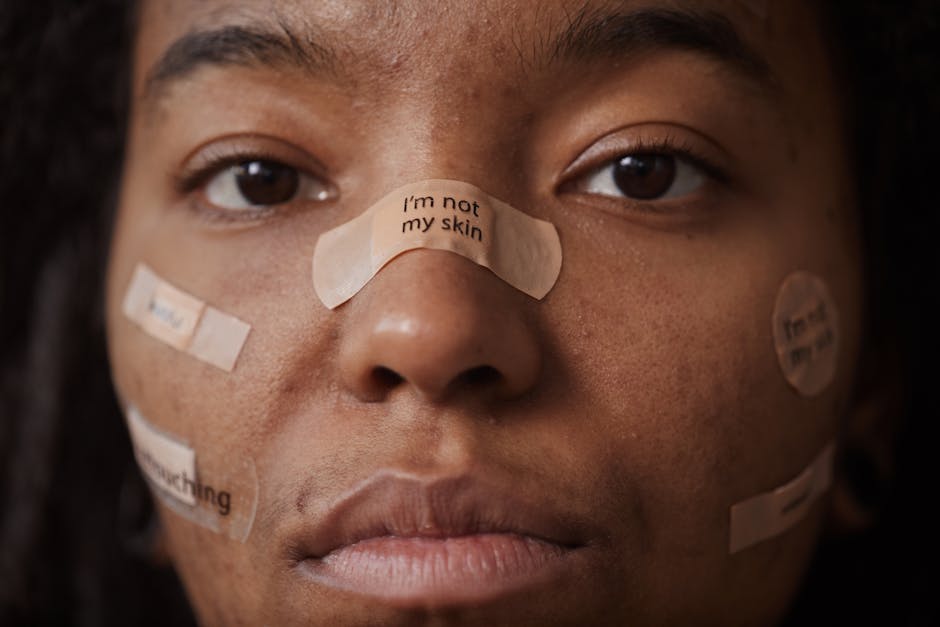
In this article, we’ll explore: BcozSheMatters: WHO Health Ministry roll out campaign on women and girls health and well-being and why it matters today.
Related:
👉 Why Trauma Hits Differently: Understanding the Hormonal Mechanisms of Women’s Risk
👉 Tummy Trouble? 8 Foods To Avoid With an Upset Stomach and What To Eat Instead
👉 Beyond Just a Campaign: Why #BcozSheMatters is Changing the Future of Women’s Health
Imagine a world where a young girl in a remote village has the same access to health information as a professional woman in a bustling city. Imagine a world where a mother doesn’t have to choose between her own medical checkup and buying groceries for her children. For too long, women’s health has been treated as a secondary issue, often relegated to the sidelines of “maternal care” alone. But health is so much more than just giving birth.
Recently, a massive shift occurred in the global health landscape. The BcozSheMatters: WHO Health Ministry roll out campaign on women and girls health and well-being was officially launched, and it is breathing new life into how we view the physical, mental, and social wellness of half the world’s population. This isn’t just another government program with a fancy acronym; it’s a movement designed to put the power of health back into the hands of women and girls.
What is the “BcozSheMatters” Movement All About?
At its heart, the BcozSheMatters campaign is built on a simple but profound truth: when a woman is healthy, her entire community thrives. The World Health Organization (WHO), in partnership with the Ministry of Health, recognized that existing healthcare systems often have “blind spots” when it comes to the specific needs of females across their entire lifespan—from adolescence to old age.
The campaign focuses on a holistic approach. It’s not just about treating diseases; it’s about prevention, education, and breaking down the cultural stigmas that prevent girls from seeking help. Whether it’s menstrual hygiene, mental health support, or screenings for non-communicable diseases like breast cancer, the BcozSheMatters: WHO Health Ministry roll out campaign on women and girls health and well-being is designed to be a safety net that catches everyone.
The Real-Life Impact: Meet Sarah
To understand why this campaign matters, let’s look at Sarah. Sarah is a 24-year-old living in a suburban neighborhood. For years, she struggled with severe fatigue and anxiety. Every time she visited a clinic, she was told she was “just stressed” or “needed more sleep.” Her concerns were dismissed as typical “women’s issues.”
Under the new BcozSheMatters framework, Sarah’s local clinic received updated training on gender-sensitive healthcare. When she visited next, the nurse didn’t just give her a pamphlet on stress. They performed a comprehensive screening, identified a chronic iron deficiency, and connected her with a mental health counselor who specialized in female anxiety. Sarah didn’t just get a prescription; she got her life back. This is the “human” side of policy—turning high-level directives into real-world relief.
The Four Pillars of the Campaign
The BcozSheMatters: WHO Health Ministry roll out campaign on women and girls health and well-being isn’t throwing darts in the dark. It is structured around four critical pillars that address the most pressing gaps in current healthcare systems:
- Universal Access to Reproductive Health: Ensuring that every girl has access to safe, reliable information and services without fear of judgment.
- Mental Health and Emotional Well-being: Moving beyond the stigma to provide counseling and support for postpartum depression, anxiety, and the unique stressors women face.
- Nutrition and Preventive Care: Tackling malnutrition in young girls and promoting early screening for conditions like cervical cancer and diabetes.
- Digital Health Literacy: Using mobile apps and community SMS alerts to provide health tips directly to women, even in areas with limited clinic access.
Breaking the Taboo Around Menstrual Health
One of the most refreshing aspects of this campaign is its direct approach to menstrual health. In many parts of the world, periods are still a source of shame, leading many girls to drop out of school. The BcozSheMatters initiative works with schools to provide clean facilities and affordable sanitary products. By normalizing the conversation, the WHO and the Health Ministry are ensuring that a natural biological process never stands in the way of a girl’s education.
A Focus on the “Sandwich Generation”
We often talk about young girls or elderly women, but what about those in the middle? The “sandwich generation”—women caring for both children and aging parents—often experiences the highest levels of burnout. The campaign introduces community support groups and flexible clinic hours, recognizing that a woman’s schedule is often not her own. By making healthcare convenient, the Ministry of Health is ensuring that “self-care” isn’t just a luxury for the wealthy.
Why the Partnership Between WHO and the Health Ministry Matters
You might wonder, “Why do we need both the WHO and the local Health Ministry involved?” The answer lies in the balance between global expertise and local execution. The WHO provides the data, the latest medical research, and the international standards. The Health Ministry provides the boots on the ground—the nurses, the community centers, and the cultural understanding of the local population.
When these two forces combine for the BcozSheMatters: WHO Health Ministry roll out campaign on women and girls health and well-being, the result is a strategy that is both world-class and locally relevant. It’s about taking “big science” and making it work for a small village.
The Role of Technology in BcozSheMatters
We live in a digital age, and this campaign is leaning into it. One of the standout features of the rollout is the “SheMatters” mobile portal. This platform allows women to:
- Track their health metrics and receive reminders for screenings.
- Chat with certified health professionals via secure messaging.
- Access a library of videos on topics ranging from prenatal yoga to managing menopause.
- Find the nearest “Women-Friendly” certified clinic.
By putting this information on a smartphone, the campaign bypasses the traditional gatekeepers of information, empowering women to make informed decisions about their own bodies.
Challenges and the Road Ahead
No campaign is without its hurdles. Infrastructure in rural areas remains a challenge, and deep-seated cultural norms don’t change overnight. However, the BcozSheMatters initiative is unique because it involves community leaders—grandmothers, teachers, and local influencers—to help spread the message. It’s not a top-down lecture; it’s a community-wide conversation.
The goal is to see a measurable decrease in maternal mortality and an increase in the number of girls completing secondary education over the next five years. It’s an ambitious target, but with the combined resources of the WHO and the Health Ministry, it is finally within reach.
Key Takeaways from the BcozSheMatters Campaign
- Holistic View: Health is defined as physical, mental, and social well-being, not just the absence of disease.
- Life-Cycle Approach: The campaign supports females from infancy through old age, recognizing that needs change at every stage.
- Empowerment through Education: Knowledge is the first step toward health. The campaign prioritizes health literacy for all.
- Accessibility: By using mobile technology and community clinics, healthcare is brought closer to those who need it most.
- Breaking Stigma: Open conversations about menstruation, mental health, and reproductive rights are central to the mission.
How You Can Support the Movement
You don’t have to be a doctor or a politician to make a difference. The success of the BcozSheMatters: WHO Health Ministry roll out campaign on women and girls health and well-being depends on all of us. You can help by sharing accurate health information, supporting the women in your life to prioritize their checkups, and advocating for better health facilities in your local area.
Next time you see the #BcozSheMatters hashtag, remember that it represents a sister, a mother, a daughter, or a friend. It represents the idea that her health isn’t a “special interest” topic—it’s a fundamental human right.
Frequently Asked Questions (FAQ)
1. Who is eligible to benefit from the BcozSheMatters campaign?
The campaign is designed to benefit all women and girls, regardless of age, socioeconomic status, or location. While there is a special focus on underserved rural communities, the resources and digital platforms are available to everyone.
2. Is the BcozSheMatters campaign only about reproductive health?
No. While reproductive health is a key component, the campaign also covers mental health, nutrition, chronic disease prevention (like heart disease and cancer), and geriatric care for older women.
3. How is the WHO involved in this local campaign?
The WHO provides the evidence-based guidelines, funding support, and global monitoring tools to ensure the campaign meets international health standards. They work as a strategic partner to the national Health Ministry.
4. Can men participate in the BcozSheMatters initiative?
Absolutely! Men play a crucial role as allies. The campaign encourages men to support the health journeys of their partners, daughters, and mothers, and to help break down the stigmas that often prevent women from seeking care.
5. Where can I find more information about the rollout in my area?
You can visit the official Ministry of Health website or the WHO regional portal. Additionally, local community health centers will have posters and pamphlets detailing the services available under the BcozSheMatters initiative.
Conclusion
The launch of the BcozSheMatters: WHO Health Ministry roll out campaign on women and girls health and well-being marks a turning point in public health. It’s a recognition that for a society to be healthy, its foundation—women—must be supported, heard, and cared for. By addressing the unique challenges girls and women face, we aren’t just improving individual lives; we are building a stronger, more resilient world for everyone. Because at the end of the day, she matters—not just for what she does for others, but because of who she is.
Written with love and assistance and refined for quality.
{“@context”:”https://schema.org”,”@type”:”Article”,”headline”:”BcozSheMatters: Why the New WHO and Health Ministry Campaign is a Game-Changer for Women Everywhere”,”description”:”In this article, weu2019ll explore: BcozSheMatters: WHO Health Ministry roll out campaign on women and girls health and well-being and…”,”author”:{“@type”:”Person”,”name”:”Dr. Cuterus”},”datePublished”:”2026-05-27T07:29:34+00:00″,”dateModified”:”2026-05-27T07:29:34+00:00″,”mainEntityOfPage”:”https://healthyworldz.com/bcozshematters-why-the-new-who-and-health-ministry-campaign-is-a-game-changer-for-women-everywhere-5/”,”image”:[“https://healthyworldz.com/wp-content/uploads/2026/05/bcozshematters-who-health-ministry-roll-out-campaign-on-women-and-girls-health-and-well-being-28.jpg”]}
🔗 Related: Muscle Plays a Role in Weight…
🔗 Related: HealthFab Secures Series A Funding to…
🔗 Related: Hormonal mechanisms of womens risk in…