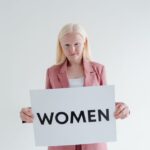
In this article, we’ll explore: BcozSheMatters: WHO Health Ministry roll out campaign on women and girls health and well-being and why it matters today.
Related:
👉 Beyond the Cysts: Why the Shift from PCOS to PMOS is a Game-Changer for Women’s Health
👉 Why the New "BcozSheMatters" Campaign is a Game-Changer for Women’s Health Everywhere
👉 The Silent Crisis: Why Womens Health Needs a System Redesign to Close the Diagnostics Gap
Think about the women in your life for a moment. Your mother, who perhaps never missed a day of work but always “forgot” to schedule her own doctor’s appointment. Your sister, who balances a career and a household while privately struggling with burnout. Or the young girl next door who misses school because she doesn’t have access to basic menstrual hygiene products. For too long, women’s health has been treated as a secondary priority—a “we’ll get to it later” issue. But that narrative is finally shifting.
The recent announcement of the BcozSheMatters: WHO Health Ministry roll out campaign on women and girls health and well-being marks a pivotal moment in global healthcare. It’s not just another bureaucratic initiative with a long name; it’s a loud, clear statement that the health of a society is directly tied to the health of its women. When she thrives, we all thrive. It’s that simple.
The Heart of the Campaign: What is #BcozSheMatters?
At its core, the #BcozSheMatters initiative is a collaborative effort between the World Health Organization (WHO) and national Health Ministries. The goal is to bridge the massive gap in healthcare equity. We live in a world where medical research has historically been centered on men, often leaving women’s unique physiological and psychological needs as an afterthought.
This campaign seeks to dismantle those barriers. It isn’t just about handing out brochures; it’s about systemic change. It’s about ensuring that a woman in a remote village has the same access to life-saving screenings as a woman in a bustling metropolis. It’s about making sure “well-being” includes everything from reproductive rights to mental health and nutritional security.
A Story of Resilience: Why This Matters Now
Let’s look at a real-world scenario. Meet Anjali, a 34-year-old mother of two living in a semi-urban area. Anjali spent years feeling chronically fatigued. She brushed it off as “mom brain” or just the “price of being busy.” She didn’t realize she was severely anemic—a condition that affects nearly 30% of women of reproductive age globally. Because her local clinic lacked female-focused outreach, she didn’t seek help until she collapsed at work.
The BcozSheMatters: WHO Health Ministry roll out campaign on women and girls health and well-being is designed for women like Anjali. It aims to catch these issues early through community-led awareness and accessible local clinics. By the time the campaign reaches its peak, Anjali shouldn’t have to wait for a crisis to get a simple blood test.
The Four Pillars of the Campaign
The WHO and Health Ministries aren’t just throwing darts at a board. They have a structured plan to tackle the most pressing issues. The campaign focuses on four essential pillars:
- Preventive Care and Early Screening: This includes making mammograms, pap smears, and bone density tests standard and affordable. Early detection of breast and cervical cancer can save millions of lives annually.
- Mental Health and Emotional Well-being: For too long, women’s mental health has been stigmatized. This pillar focuses on postpartum depression, anxiety, and the unique stressors women face in the modern workforce.
- Nutritional Equity: Addressing iron and iodine deficiencies, especially in adolescent girls, to ensure the next generation grows up strong and healthy.
- Reproductive and Maternal Health: Ensuring safe childbirth is a right, not a privilege, and providing education on reproductive choices without judgment.
Breaking the Taboos: Menstruation and Menopause
One of the most refreshing aspects of the #BcozSheMatters campaign is its willingness to talk about things that have traditionally been whispered about in shadows. We’re talking about menstruation and menopause.
In many parts of the world, a girl’s education stops the moment she starts her period because schools lack proper facilities. The Health Ministry’s involvement ensures that schools are equipped with hygiene products and that the stigma surrounding “that time of the month” is replaced with scientific understanding.
Similarly, menopause has been a “silent” phase of life. Women are often expected to just “deal with” hot flashes, mood swings, and insomnia. This campaign brings menopause into the light, providing healthcare providers with the training to offer hormone therapy and lifestyle support that can significantly improve a woman’s quality of life in her 50s and beyond.
How Local Health Ministries are Taking Charge
The WHO provides the framework, but the heavy lifting happens at the local level. Health Ministries are the ones who understand the cultural nuances of their populations. In some regions, this means mobile health vans that travel to rural areas. In others, it means digital apps that allow women to track their health metrics and consult with doctors via telemedicine.
For example, in several participating countries, the Health Ministry has started training “Community Health Sisters”—local women who visit homes to educate families about the importance of girls’ nutrition. This grassroots approach ensures that the message of #BcozSheMatters isn’t just a slogan on a billboard, but a conversation at a kitchen table.
The Economic Ripple Effect
Let’s talk numbers, because health is also an economic issue. When women are healthy, they participate more fully in the workforce. They are more likely to ensure their children are educated and vaccinated. According to various economic studies, closing the gender health gap could add trillions of dollars to the global GDP. The BcozSheMatters: WHO Health Ministry roll out campaign on women and girls health and well-being is, therefore, an investment in global prosperity.
Key Takeaways for a Healthier Future
As this campaign rolls out globally, here is what you need to remember:
- Holistic Health: It’s not just about the absence of disease; it’s about physical, mental, and social well-being.
- Accessibility: The campaign aims to make healthcare “local” and “affordable,” removing the financial barriers that keep women from seeking help.
- Education is Empowerment: By teaching girls about their bodies early on, we empower them to advocate for their own health for the rest of their lives.
- Collective Responsibility: While the WHO and Health Ministries lead the charge, it’s up to families and communities to support the women in their lives.
How Can You Support the Movement?
You don’t have to be a doctor or a politician to make a difference. The spirit of #BcozSheMatters starts with small, everyday actions:
- Encourage the Women You Know: Remind your friends and family to go for their annual check-ups. Sometimes, a simple “Have you seen your doctor lately?” is the nudge someone needs.
- Spread Awareness: Use your social media platforms to share information about the campaign. Use the hashtag #BcozSheMatters to join the global conversation.
- Educate Yourself: Learn about the specific health challenges women face at different stages of life so you can be a better ally and advocate.
Conclusion: A New Chapter in Global Health
The BcozSheMatters: WHO Health Ministry roll out campaign on women and girls health and well-being is more than just a policy update. It is a long-overdue recognition of the vital role women play in the fabric of our world. By focusing on the unique needs of girls and women, we aren’t just helping individuals; we are strengthening families, stabilizing communities, and building a more resilient world.
It’s time we stop asking women to pour from an empty cup. It’s time we ensure that their health is prioritized, protected, and celebrated. Because, at the end of the day, she matters—not just for what she does for others, but because of who she is.
Frequently Asked Questions (FAQ)
1. What exactly is the #BcozSheMatters campaign?
It is a global initiative led by the WHO in partnership with national Health Ministries to prioritize and improve the physical, mental, and social health of women and girls through better policy, education, and healthcare access.
2. Who is the primary target of this campaign?
The campaign targets girls and women of all ages, from childhood through old age, with a specific focus on underserved communities where healthcare access is limited.
3. How will the campaign help women in rural areas?
Health Ministries are deploying mobile clinics, training community health workers, and using telemedicine to reach women who live far from major hospitals.
4. Does the campaign cover mental health?
Yes! Mental health is one of the four main pillars of the campaign, focusing on reducing stigma and providing support for conditions like anxiety, depression, and postpartum struggles.
5. Can men participate in this campaign?
Absolutely. Men are encouraged to be allies by supporting the health needs of their partners, daughters, and mothers, and by helping to break down cultural taboos regarding women’s health.
Written with love and assistance and refined for quality.
{“@context”:”https://schema.org”,”@type”:”Article”,”headline”:”BcozSheMatters: Why the New WHO and Health Ministry Campaign is a Game-Changer for Women Worldwide”,”description”:”In this article, weu2019ll explore: BcozSheMatters: WHO Health Ministry roll out campaign on women and girls health and well-being and…”,”author”:{“@type”:”Person”,”name”:”Dr. Cuterus”},”datePublished”:”2026-06-03T21:08:21+00:00″,”dateModified”:”2026-06-03T21:08:21+00:00″,”mainEntityOfPage”:”https://healthyworldz.com/bcozshematters-why-the-new-who-and-health-ministry-campaign-is-a-game-changer-for-women-worldwide/”,”image”:[“https://healthyworldz.com/wp-content/uploads/2026/06/bcozshematters-who-health-ministry-roll-out-campaign-on-women-and-girls-health-and-well-being-14.jpg”]}
🔗 Related: Women with polycystic ovary syndrome exhibit…
🔗 Related: Hormonal mechanisms of womens risk in…
🔗 Related: Why womens health needs a system…