In this article, we’ll explore: BcozSheMatters: WHO Health Ministry roll out campaign on women and girls health and well-being and why it matters today.
Related:
👉 A Perfect Storm for Bone Loss in Women: Menopause and GLP-1 Weight-Loss Drugs
👉 Why the "BcozSheMatters" Campaign is a Game-Changer for Women’s Health Worldwide
👉 Why Is It Harder to Get Pregnant with PCOS? The New Science Behind Womb Health and Histone Lactylation
Imagine a world where every girl, regardless of where she is born, has the same chance to grow up healthy, educated, and empowered. Imagine a world where a mother doesn’t have to choose between her own health and the well-being of her children. It sounds like a dream, doesn’t it? But today, that dream is getting a massive boost of reality.
The World Health Organization (WHO), in collaboration with the Ministry of Health, has officially launched a groundbreaking initiative. The campaign, titled BcozSheMatters: WHO Health Ministry roll out campaign on women and girls health and well-being, is more than just a series of posters or social media hashtags. It is a comprehensive, multi-year strategy designed to close the health gap that has left millions of women behind for decades.
In this post, we’re going to dive deep into what this campaign actually means for the everyday woman, why it’s being launched now, and how it plans to change the landscape of global healthcare. So, grab a cup of coffee, and let’s talk about why she matters.
The Heart of the Movement: Why “BcozSheMatters”?
For too long, women’s health has been pigeonholed into a very narrow category: reproductive health. While maternal care is incredibly important, a woman is so much more than her ability to bear children. She is a student, a professional, a caregiver, a leader, and an individual with unique physiological and psychological needs.
The “BcozSheMatters” campaign recognizes that health is holistic. It’s about the iron levels in a teenage girl’s blood, the mental health of a corporate executive, the bone density of a grandmother, and the safety of a young woman in her own home. When we say “BcozSheMatters,” we are acknowledging that when a woman is healthy, her family thrives, her community prospers, and the national economy grows. It’s the ultimate ripple effect.
Breaking the Silence on Taboo Topics
One of the most refreshing aspects of this new rollout is its willingness to tackle the “uncomfortable” topics. We’re talking about things that are often whispered about in backrooms but rarely addressed on a national policy level:
- Menstrual Dignity: Moving beyond “hygiene” to ensure girls don’t miss school because of a natural biological process.
- Menopause Support: Providing actual medical and psychological resources for women navigating this major life transition.
- Mental Health and Invisible Burdens: Addressing the “double burden” of work and domestic labor that leads to burnout and anxiety.
The Core Pillars of the Campaign
The BcozSheMatters: WHO Health Ministry roll out campaign on women and girls health and well-being isn’t just a vague set of goals. It is built on four very specific pillars designed to create measurable change.
1. Preventive Care and Early Screening
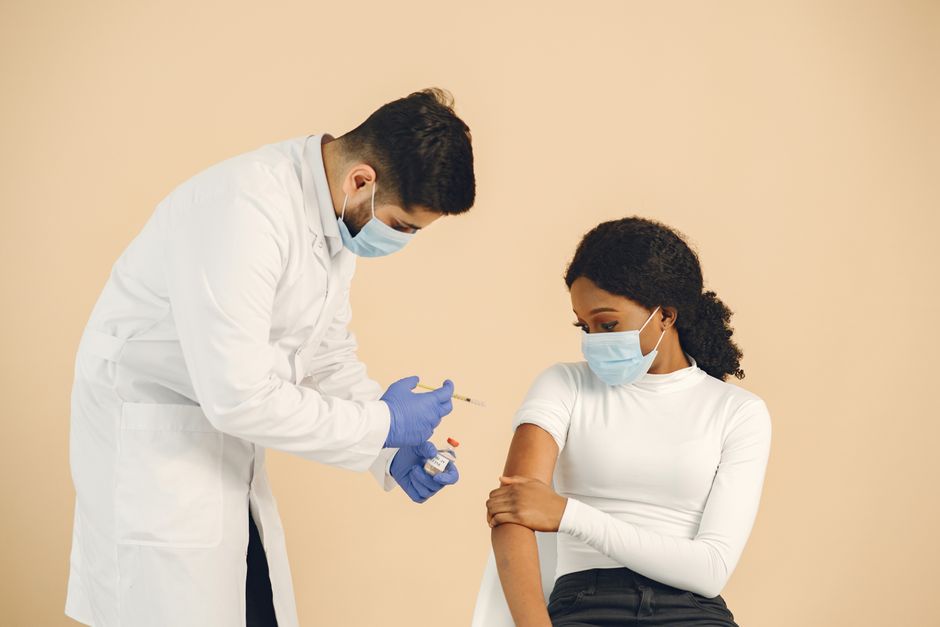
Early detection saves lives. The campaign is rolling out thousands of mobile screening units to reach rural and underserved urban areas. These units focus on cervical cancer screenings, breast exams, and cardiovascular health checks. By bringing the “doctor to the doorstep,” the Ministry aims to catch health issues before they become life-threatening.
2. Nutritional Security
Did you know that nearly 30% of women of reproductive age worldwide suffer from anemia? This campaign introduces fortified food programs and educational workshops for young girls to ensure they are getting the nutrients they need during critical growth spurts. It’s about building a foundation of health that lasts a lifetime.
3. Digital Health Literacy
In today’s world, information is power. The WHO is launching a dedicated app under the “BcozSheMatters” banner. This app provides verified medical information, allows women to track their cycles, offers mental health resources, and even includes a “panic button” for those in domestic danger. It puts healthcare literally in the palm of her hand.
4. Policy and Advocacy
Health isn’t just about medicine; it’s about rights. The Ministry of Health is working to update workplace policies, ensuring better maternity leave, lactation rooms, and mental health days. They are pushing for laws that protect women from gender-based violence, recognizing that physical safety is a fundamental requirement for health.
Real-World Impact: A Tale of Two Generations
To understand why this campaign is so vital, let’s look at a hypothetical (but very common) example. Meet Sarah and her daughter, Maya.
Sarah is 45. Throughout her life, she rarely went to the doctor unless she was pregnant. She ignored the persistent fatigue and the occasional lump because she was too busy taking care of everyone else. By the time she was diagnosed with a chronic condition, it was much harder to treat. Sarah represents the generation that was taught to put themselves last.
Now, look at 15-year-old Maya. Because of the BcozSheMatters rollout, Maya’s school now has a dedicated health counselor. She has learned about the importance of iron-rich diets and knows that her mental health is just as important as her grades. When she feels overwhelmed, she uses the campaign’s digital tools to find support. Maya is growing up in a world where her well-being is a priority, not an afterthought.
The goal of this campaign is to ensure that every “Maya” has a different experience than the “Sarahs” who came before them.
How the Rollout Works: From Cities to Villages
The WHO and the Health Ministry aren’t just staying in the capital cities. They’ve realized that the women who need this most are often the hardest to reach. The rollout involves a multi-tiered approach:
- Community Health Volunteers: Training local women to be “Health Ambassadors” in their own villages. People trust their neighbors more than they trust a government brochure.
- School-Based Programs: Integrating health education into the curriculum so that boys and girls alike grow up understanding that women’s health is a societal priority.
- Public-Private Partnerships: Working with private companies to subsidize feminine hygiene products and essential vitamins.
The Economic Argument: Why Everyone Should Care
If you aren’t moved by the human element, let’s talk numbers. Economists have long argued that investing in women’s health is one of the “best buys” in global development. When women are healthy, they participate more fully in the workforce. They invest 90% of their income back into their families (compared to 30-40% for men).
By reducing maternal mortality and managing chronic diseases in women, countries can see a significant boost in their GDP. The BcozSheMatters: WHO Health Ministry roll out campaign on women and girls health and well-being is, in many ways, an economic stimulus package. It’s an investment in the most productive segment of the population.
Key Takeaways from the BcozSheMatters Campaign
- Holistic Approach: It moves beyond reproductive health to include mental health, nutrition, and non-communicable diseases.
- Accessibility: Focuses on mobile clinics and digital tools to reach women in remote areas.
- Empowerment through Education: Aims to erase the stigma surrounding menstruation and menopause.
- Societal Benefit: Recognizes that healthy women lead to healthy economies and stronger communities.
- Policy Change: It’s not just a “suggestion”; it’s a push for legislative changes in workplace safety and healthcare rights.
How You Can Get Involved
You don’t have to be a doctor or a politician to support this movement. Change starts with conversation. You can support the “BcozSheMatters” initiative by:
- Sharing Information: Use your social media platforms to spread awareness about the campaign’s resources.
- Supporting Local Clinics: Volunteer or donate to organizations that provide healthcare to underserved women.
- Advocating at Work: Ask your HR department about health policies that support women, such as flexible hours for medical appointments or mental health support.
- Educating the Next Generation: Talk to the young girls (and boys) in your life about why health is a priority.
Frequently Asked Questions (FAQ)
What is the main goal of the BcozSheMatters campaign?
The primary goal is to provide a comprehensive framework for the health and well-being of women and girls, ensuring they have access to preventive care, nutritional support, and mental health resources at every stage of their lives.
Is this campaign only for women in developing countries?
While the campaign places a heavy emphasis on underserved regions, the principles of “BcozSheMatters” apply globally. Issues like mental health stigma, menopause neglect, and workplace health gaps are universal challenges that the WHO aims to address worldwide.
How can I access the digital tools mentioned in the campaign?
The WHO and the Ministry of Health are rolling out a dedicated mobile application. You can check the official Ministry of Health website or the WHO regional portal to find links to download the app and access localized health directories.
Does the campaign address gender-based violence?
Yes. The campaign recognizes that physical and psychological safety is a cornerstone of health. It includes provisions for training healthcare workers to identify signs of abuse and provides resources for survivors to seek help safely.
How long will the BcozSheMatters rollout last?
This is designed as a long-term strategic shift rather than a short-term project. The initial rollout phase is set for three years, with ongoing assessments to integrate these health standards into national healthcare systems permanently.
Final Thoughts
The launch of the BcozSheMatters: WHO Health Ministry roll out campaign on women and girls health and well-being marks a pivotal moment in our global journey toward equality. It’s a reminder that we cannot have a healthy world if half of its population is struggling with preventable health issues.
By focusing on the unique needs of women and girls, we aren’t just helping individuals; we are strengthening the fabric of our entire society. Because at the end of the day, when she thrives, we all thrive. And that is exactly why she matters.
Written with love and assistance and refined for quality.
🔗 Related: A perfect storm for bone loss…
🔗 Related: Perineal muscle strength as a predictor…
🔗 Related: Yes Creatine Can Help With StrengthBut…