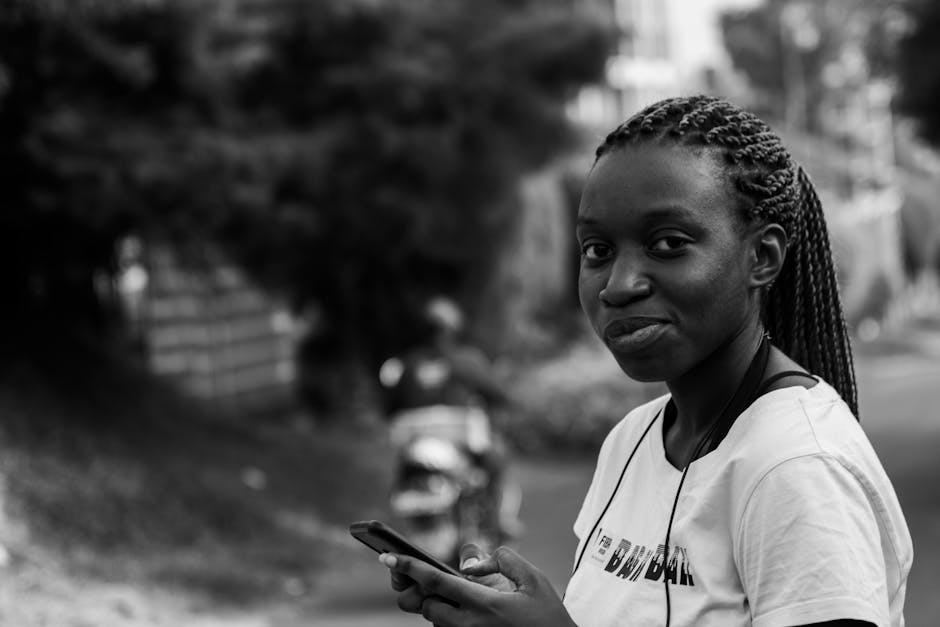
In this article, we’ll explore: BcozSheMatters: WHO Health Ministry roll out campaign on women and girls health and well-being and why it matters today.
Related:
👉 Grumbling Belly? 8 Foods To Avoid With an Upset Stomach and What To Eat Instead
👉 BcozSheMatters: Why the WHO and Health Ministry’s New Campaign is a Game-Changer for Women and Girls
👉 Why Trauma Hits Differently: Understanding the Hormonal Mechanisms of Women’s Risk in the Face of Traumatic Stress
Learn more: BcozSheMatters: WHO Health Ministry roll out campaign on women and girls health and well-being on Wikipedia
Have you ever stopped to think about the women in your life? Your mother, your sister, your best friend, or the woman you see every morning at the coffee shop. They are the backbone of our families and the heartbeat of our communities. Yet, for too long, their specific health needs have been pushed to the sidelines. Whether it is a lack of access to basic hygiene or the stigma surrounding mental health, women have often had to “just get on with it.”
But things are changing. There is a new wave of hope on the horizon. The recent announcement of BcozSheMatters: WHO Health Ministry roll out campaign on women and girls health and well-being is more than just a government press release; it is a promise. It is a commitment to ensuring that every girl and woman, regardless of where she lives, has the chance to lead a healthy, vibrant life.
In this post, we are going to dive deep into what this campaign actually means, why it is so desperately needed right now, and how it aims to change the landscape of healthcare for half the world’s population.
What Exactly is the #BcozSheMatters Campaign?
At its core, the BcozSheMatters: WHO Health Ministry roll out campaign on women and girls health and well-being is a collaborative effort between the World Health Organization and national health ministries. It is designed to be a multi-year roadmap that moves away from “one-size-fits-all” healthcare and moves toward personalized, gender-sensitive medical support.
For decades, medical research was largely based on the male body. We are now realizing that women experience diseases differently—from heart attacks to autoimmune disorders. This campaign aims to bridge that gap. It is not just about maternal health (though that is a huge part of it); it is about the entire lifecycle of a woman, from her early childhood through adolescence, adulthood, and into her senior years.
Breaking the Silence on Taboo Topics
One of the most refreshing aspects of this rollout is its willingness to talk about the things we usually whisper about. We are talking about menstrual hygiene, menopause, and reproductive rights. By bringing these topics into the mainstream, the campaign aims to strip away the shame that often prevents girls from attending school or women from seeking medical advice.
Why This Campaign Matters Now More Than Ever
The world has been through a lot lately. From global pandemics to economic shifts, the burden of these crises has often fallen disproportionately on women. Statistics show that women are more likely to skip their own doctor appointments to take care of their children or elderly parents. They are more likely to experience “period poverty” and are at a higher risk for certain mental health struggles like anxiety and depression.
The BcozSheMatters: WHO Health Ministry roll out campaign on women and girls health and well-being arrives at a critical juncture. It serves as a reminder that a society is only as healthy as its women. When a mother is healthy, her children are more likely to be healthy. When a girl stays in school because she has access to sanitary products, her future earning potential skyrockets. It is a ripple effect that benefits everyone.
Maternal Health: A Top Priority
While the campaign covers many areas, maternal health remains a cornerstone. In many parts of the world, giving birth is still a life-threatening event. The WHO and Health Ministries are working to ensure that prenatal and postnatal care isn’t a luxury—it’s a right. This means better-trained midwives, more accessible clinics in rural areas, and better education for expectant mothers.
Mental Health: The Invisible Struggle
We cannot talk about well-being without talking about the mind. Women often carry the “mental load” of the household. The campaign is rolling out specific resources to help women manage stress, postpartum depression, and the unique psychological challenges that come with different life stages. It’s about saying, “It’s okay not to be okay, and here is where you can get help.”
Real Stories: How Campaigns Like This Change Lives
To understand the impact of an initiative like BcozSheMatters: WHO Health Ministry roll out campaign on women and girls health and well-being, we have to look past the data and look at the people. Let’s take the example of Amina, a 14-year-old girl living in a rural village.
Before this campaign reached her area, Amina would miss a week of school every month. She didn’t have access to pads, and the school didn’t have a private place for her to wash. She felt embarrassed and fell behind in her studies. Through the BcozSheMatters initiative, her school received a grant for better sanitation facilities and a supply of reusable hygiene products. Today, Amina hasn’t missed a day of school in six months. She wants to be a doctor. That is the power of targeted health intervention.
Then there is Sarah, a 45-year-old mother of three in a busy city. Sarah was experiencing extreme fatigue and heart palpitations but assumed it was just “stress.” Because of a community awareness drive under the BcozSheMatters banner, she attended a free screening. It turned out she had a thyroid condition that was easily treatable. “I didn’t think my health was a priority,” she said. “I thought I just had to keep going for the kids. This campaign made me realize that I matter too.”
The Key Pillars of the Initiative
The campaign isn’t just a collection of posters and social media posts. It is built on several sturdy pillars designed for long-term success:
- Accessibility: Bringing clinics and mobile health units to underserved and rural areas so that distance is no longer a barrier to care.
- Education: Launching nationwide school programs to teach girls about their bodies and health from a young age.
- Policy Reform: Working with governments to pass laws that protect women’s health rights in the workplace and in the home.
- Data Collection: Investing in research that specifically focuses on how diseases and treatments affect women differently than men.
- Community Involvement: Training local “health ambassadors” who can speak the language of the community and build trust.
How You Can Get Involved
You might be thinking, “This sounds great for the WHO and the government, but what can I do?” The truth is, the BcozSheMatters: WHO Health Ministry roll out campaign on women and girls health and well-being needs grassroots support to truly thrive.
You can start by sharing reliable information. Use your social media platforms to talk about women’s health. Check in on the women in your life. If you are an employer, look at your company’s health policies—do they support maternal leave? Do they offer mental health days? If you are a parent, talk to your daughters and sons about the importance of health equity. Change starts with a conversation.
Advocating for Change in Your Local Area
Don’t be afraid to ask your local representatives about how this campaign is being implemented in your town or city. Are there enough clinics? Is there a focus on women’s nutrition? Your voice as a citizen is a powerful tool for ensuring these promises are kept.
Key Takeaways
- Holistic Approach: The campaign focuses on the entire lifespan of women and girls, not just reproductive years.
- Global and Local: It is a partnership between the WHO and national Health Ministries to ensure global standards meet local needs.
- Breaking Taboos: A major goal is to eliminate the stigma surrounding menstruation, menopause, and mental health.
- Economic Impact: Improving women’s health is directly linked to stronger economies and more stable communities.
- Action-Oriented: The initiative moves beyond awareness into actual policy changes and infrastructure development.
Frequently Asked Questions
1. Who is the primary target of the BcozSheMatters campaign?
The campaign targets women and girls of all ages, from infancy through old age. It also targets policymakers, healthcare providers, and community leaders to create a more supportive environment for women’s health.
2. Is this campaign only for developing countries?
No. While the challenges might differ, women in developed nations also face health disparities, such as higher rates of certain chronic diseases and a lack of gender-specific medical research. The campaign is a global movement.
3. How will the success of the campaign be measured?
Success will be tracked through various metrics, including a reduction in maternal mortality rates, increased school attendance for girls, better access to screenings for non-communicable diseases (like cancer and diabetes), and improved mental health outcomes.
4. Does the campaign address the cost of healthcare?
Yes, one of the pillars is accessibility, which includes making essential health services more affordable or free through government-subsidized programs and international aid.
5. Can men support the BcozSheMatters initiative?
Absolutely! Men play a crucial role as allies, fathers, partners, and policymakers. Understanding that women’s health is a societal issue, not just a “woman’s issue,” is key to the campaign’s success.
Conclusion: A Healthier Future for Everyone
The BcozSheMatters: WHO Health Ministry roll out campaign on women and girls health and well-being is a beacon of progress. It acknowledges a simple but profound truth: when we invest in the health of women and girls, we are investing in the future of humanity. It is about dignity, equality, and the right to live a life free from preventable illness.
As this campaign rolls out across the globe, let’s not let it just be another headline. Let’s make it a movement. Because when she thrives, we all thrive. And truly, it’s because she matters.
Written with love and assistance and refined for quality.
{“@context”:”https://schema.org”,”@type”:”Article”,”headline”:”Beyond Just a Hashtag: Why the “BcozSheMatters: WHO Health Ministry roll out campaign on women and girls health and well-being” is a Game Changer”,”description”:”In this article, weu2019ll explore: BcozSheMatters: WHO Health Ministry roll out campaign on women and girls health and well-being and…”,”author”:{“@type”:”Person”,”name”:”Dr. Cuterus”},”datePublished”:”2026-05-25T07:35:11+00:00″,”dateModified”:”2026-05-25T07:35:11+00:00″,”mainEntityOfPage”:”https://healthyworldz.com/beyond-just-a-hashtag-why-the-bcozshematters-who-health-ministry-roll-out-campaign-on-women-and-girls-health-and-well-being-is-a-game-changer/”,”image”:[“https://healthyworldz.com/wp-content/uploads/2026/05/bcozshematters-who-health-ministry-roll-out-campaign-on-women-and-girls-health-and-well-being-21.jpg”]}
🔗 Related: HealthFab Secures Series A Funding to…
🔗 Related: 8 Foods To Avoid With an…
🔗 Related: Hormonal mechanisms of womens risk in…