In this article, we’ll explore: Perineal muscle strength as a predictor of stress urinary incontinence among young parous women in Mangaluru India and why it matters today.
Related:
👉 The Hidden Cost of the Weight Loss Revolution: Navigating the Perfect Storm for Bone Loss in Women
👉 Understanding PCOS and Fertility: Why the "Soil" Matters as Much as the "Seed"
👉 Perineal Muscle Strength as a Predictor of Stress Urinary Incontinence Among Young Parous Women in Mangaluru, India
Imagine you’re enjoying a sunny afternoon at Panambur Beach with your family. You’re chasing your toddler across the sand, laughing at their antics, when suddenly, a sneeze hits. In that split second, you feel a small, embarrassing leak. You freeze, hoping no one noticed, and the joy of the moment is replaced by a wave of anxiety.
If this sounds familiar, you aren’t alone. For many young mothers in Mangaluru, this is a daily reality. It’s often whispered about in hushed tones or dismissed as “just a part of being a mother.” But here’s the truth: leaking when you laugh, cough, or exercise isn’t just a lifestyle quirk—it’s a medical condition known as Stress Urinary Incontinence (SUI).
Recent health discussions in coastal Karnataka have brought a specific focus to this issue. Specifically, researchers and clinicians are looking at Perineal muscle strength as a predictor of stress urinary incontinence among young parous women in Mangaluru India. Understanding this connection is the first step toward reclaiming your confidence and your health.
What Exactly is Stress Urinary Incontinence?
Before we dive into the science of muscle strength, let’s clear up a common misconception. Stress Urinary Incontinence has nothing to do with emotional stress or anxiety. Instead, the “stress” refers to physical pressure exerted on the bladder.
When you cough, sneeze, lift a heavy bag of groceries from the Central Market, or jump during a workout, your internal abdominal pressure rises. If the muscles supporting your bladder—the pelvic floor or perineal muscles—are weak, they can’t keep the “tap” (the urethra) closed. The result? An involuntary leak of urine.
For young “parous” women (women who have given birth), this condition is incredibly common, yet it remains one of the most underreported health issues in India.
The Mangaluru Context: Why This Study Matters Here
Mangaluru is a unique blend of traditional values and a rapidly modernizing lifestyle. We have world-class healthcare facilities, yet many women still feel a sense of “shame” or “lajja” when discussing pelvic health.
In our local community, women often balance demanding roles—managing households, working in tech or education, and raising children. The physical toll of pregnancy and childbirth is often sidelined. By focusing on Perineal muscle strength as a predictor of stress urinary incontinence among young parous women in Mangaluru India, healthcare providers are finally putting a spotlight on a demographic that often suffers in silence.
Whether it’s the dietary habits, the physical demands of local life, or simply the lack of postpartum rehabilitation, young moms in Mangaluru face specific challenges that make understanding perineal strength vital.
The “Hammock” Theory: Understanding Your Perineal Muscles
Think of your perineal muscles as a strong, stretchy hammock. This hammock stretches from your pubic bone at the front to the base of your spine at the back. It holds your pelvic organs—the bladder, uterus, and bowel—in place.
During pregnancy, this hammock carries a lot of extra weight for nine months. Then comes the “marathon” of childbirth. Whether you had a vaginal delivery or a C-section, the pressure on these muscles is immense. If the hammock becomes overstretched, thin, or weak, it loses its ability to support the urethra during sudden movements.
Why Strength is the Best Predictor
Why do some women experience SUI while others don’t? It usually comes down to the measurable strength of these muscles. Clinical studies in Mangaluru have shown that by measuring the squeeze pressure of the pelvic floor, doctors can accurately predict who is at risk for SUI.
If we can identify low muscle strength early—ideally in the first few months after childbirth—we can intervene before the condition becomes a lifelong struggle.
Real-Life Example: Ananya’s Story
Ananya, a 29-year-old software engineer living in Bejai, Mangaluru, noticed her first leak six months after her daughter was born. “I thought it would go away on its own,” she says. “But every time I went to my Zumba class or even when I laughed at a joke, I had to worry about my clothes. I stopped going out. I felt like I was 80 years old instead of 29.”
Ananya eventually spoke to a physiotherapist who specialized in pelvic health. They measured her perineal muscle strength and found it was significantly lower than average for her age. By focusing on targeted exercises and understanding how her body worked, Ananya was able to stop the leaks within three months.
Ananya’s story is a testament to the fact that SUI is treatable, but only if we stop ignoring the signs.
Factors That Weaken the Pelvic Floor
While childbirth is the primary factor, several other things can contribute to weakened perineal muscles in young women:
- Chronic Coughing: Often linked to allergies or dust, a persistent cough puts constant “stress” on the pelvic floor.
- Constipation: Straining during bowel movements is one of the worst things for your pelvic health.
- High-Impact Exercise: Jumping and running without proper core and pelvic support can worsen existing weakness.
- Weight Gain: Extra body weight puts more pressure on the “hammock.”
- Genetics: Some women naturally have thinner connective tissue.
How Can We Measure Muscle Strength?
In a clinical setting, such as the hospitals in Deralakatte or Kuntikan, specialists use various methods to assess Perineal muscle strength as a predictor of stress urinary incontinence among young parous women in Mangaluru India. These might include:
1. Digital Palpation
A simple, manual assessment where a healthcare provider checks the strength, endurance, and coordination of the muscle contraction.
2. Perineometry
This involves a small device that measures the actual pressure (in cmH2O) exerted by the pelvic floor muscles when you squeeze.
3. Electromyography (EMG)
This uses sensors to look at the electrical activity of the muscles, helping to see if the muscles are “firing” correctly.
Taking Action: How to Strengthen Your Pelvic Floor
The good news is that the pelvic floor is made of skeletal muscle—just like your biceps or your calves. This means it can be trained, strengthened, and rehabilitated.
The Power of Kegels
Most women have heard of Kegels, but many do them incorrectly. The key is to lift and squeeze the muscles you would use to stop the flow of urine (though you shouldn’t actually do this while urinating).
- The Squeeze: Imagine you are picking up a marble with your pelvic muscles.
- The Lift: Pull that “marble” up toward your belly button.
- The Release: Don’t just drop it; release slowly.
Pelvic Floor Physiotherapy
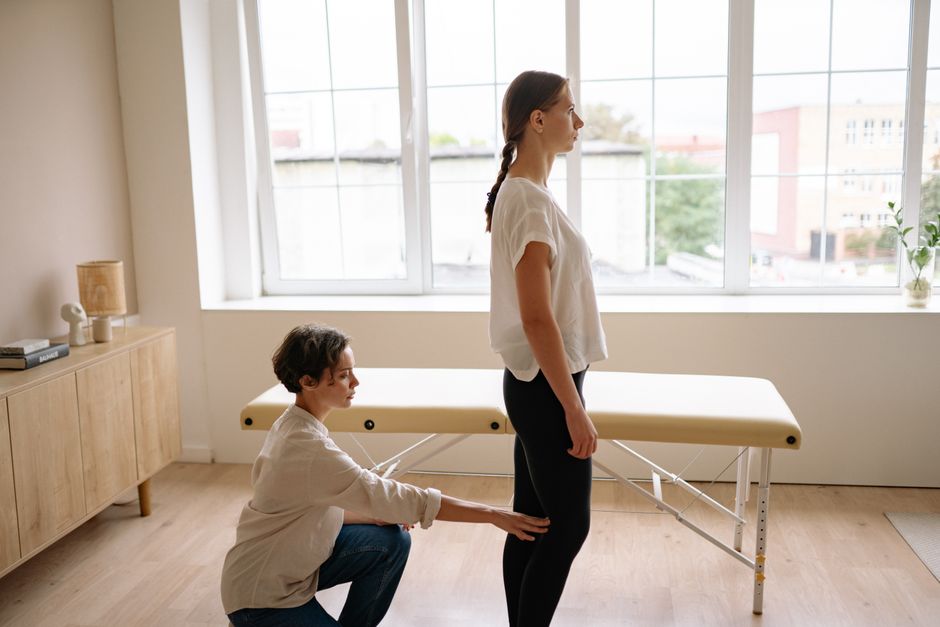
In Mangaluru, we are seeing a rise in specialized pelvic floor physiotherapy. These experts don’t just give you exercises; they look at your posture, your breathing, and your core stability. They help you integrate pelvic floor health into your daily life.
Breaking the Stigma in Our Community
One of the biggest hurdles in Mangaluru isn’t the lack of medical technology—it’s the silence. We need to start talking about pelvic health at the dinner table, in “Kitty Parties,” and at post-natal checkups.
If you are a young mother, know that your body has done something incredible. But it also needs care and recovery. You wouldn’t run a marathon and then not rest your legs; you shouldn’t go through childbirth and not rehabilitate your pelvic floor.
Key Takeaways
- SUI is common, but not “normal”: Just because many women experience it doesn’t mean you have to live with it.
- Strength is the Key: Low perineal muscle strength is a major predictor of whether you will develop incontinence.
- Early Detection Matters: Measuring muscle strength early after childbirth can prevent long-term issues.
- Mangaluru has Resources: From specialized clinics to expert physiotherapists, help is available locally.
- It’s Never Too Late: Whether you gave birth six months ago or six years ago, you can still improve your muscle strength.
Frequently Asked Questions (FAQ)
1. Does SUI only happen after a vaginal birth?
No. While vaginal birth involves more direct stretching of the perineal muscles, the weight and hormonal changes of pregnancy itself can weaken the pelvic floor, meaning women who had C-sections can also experience SUI.
2. Can I just do Kegels at home?
Yes, but it’s highly recommended to see a specialist at least once to ensure your technique is correct. Doing Kegels incorrectly (like pushing down instead of lifting up) can actually make the problem worse.
3. How long does it take to see results?
Like any muscle training, it takes time. Most women notice a significant improvement in bladder control after 8 to 12 weeks of consistent, daily pelvic floor exercises.
4. Is surgery the only option for SUI?
Absolutely not! For many young women, conservative treatments like physiotherapy, lifestyle changes, and muscle strengthening are highly effective and are usually the first line of defense.
5. Why is this study specific to Mangaluru?
Regional studies help healthcare providers understand local factors like diet, typical physical activity levels, and cultural barriers to seeking care, allowing for more personalized and effective treatment plans for women in our city.
Conclusion
Your quality of life matters. Being able to play with your children, enjoy a spicy meal at a local restaurant, or go for a jog along the Netravati river without fear of an accident is your right. By acknowledging the importance of Perineal muscle strength as a predictor of stress urinary incontinence among young parous women in Mangaluru India, we are moving toward a future where every mother feels strong, supported, and dry.
Don’t wait for the problem to “go away.” Reach out to a healthcare provider today and take the first step toward a stronger you.
Written with love and assistance and refined for quality.
🔗 Related: Yes Creatine Can Help With StrengthBut…
🔗 Related: BcozSheMatters: WHO Health Ministry roll out…
🔗 Related: A perfect storm for bone loss…