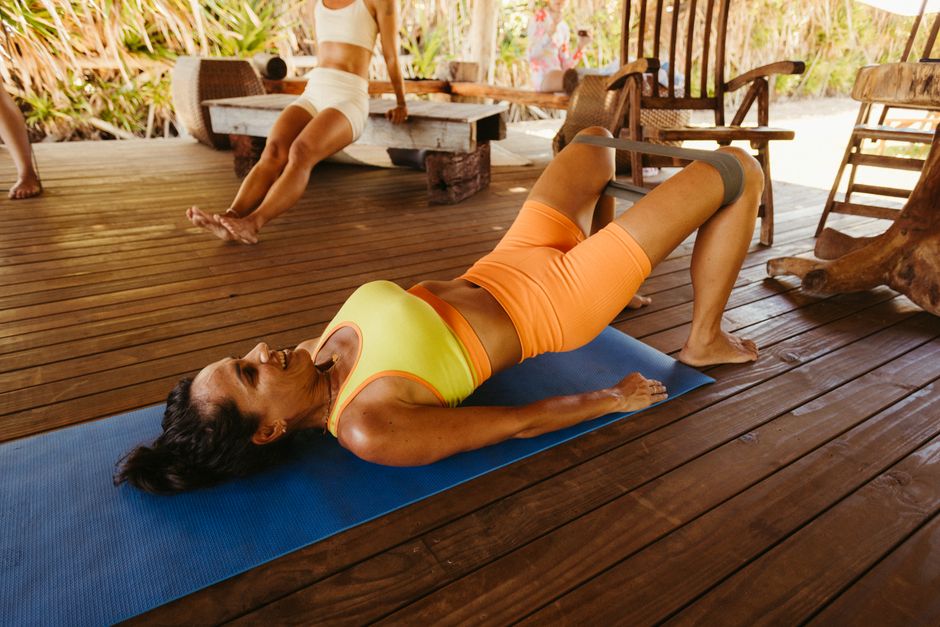
In this article, we’ll explore: Perineal muscle strength as a predictor of stress urinary incontinence among young parous women in Mangaluru India and why it matters today.
Related:
👉 Why Pelvic Health Matters: Understanding Stress Urinary Incontinence in Young Moms in Mangaluru
👉 India AI shouldn't slow down
👉 Why You Should Run and Get an IUD or Implant Now and Tell a Friend
Imagine this: You’re at a family wedding in the heart of Mangaluru. The air is thick with the scent of jasmine and the sound of laughter. You’re catching up with cousins you haven’t seen in years, and someone tells a hilarious joke. You start to laugh, but suddenly, you freeze. That familiar, dreaded dampness occurs. You’ve just experienced a leak.
For many young mothers in Mangaluru, this isn’t just a hypothetical scenario—it’s a daily reality. Whether it’s a sneeze while walking through Central Market or lifting a heavy grocery bag filled with fresh fish and local greens, “leaking” has become an unspoken companion of motherhood. But why does it happen to women in their 20s and 30s? And more importantly, how can we predict who is at risk?
Today, we’re diving deep into the research surrounding perineal muscle strength as a predictor of stress urinary incontinence among young parous women in Mangaluru India. We’re moving past the “hush-hush” culture to look at the science, the local context, and the path to reclaiming your confidence.
What Exactly is Stress Urinary Incontinence (SUI)?
Before we get into the specifics of the study, let’s clear up what we mean by Stress Urinary Incontinence. It’s not about being “stressed out” mentally (though it certainly causes mental stress!). Instead, it refers to physical pressure—or stress—placed on the bladder.
When the muscles that support your bladder (the pelvic floor or perineal muscles) are weakened, any sudden movement that increases abdominal pressure can cause urine to leak. This includes:
- Coughing or sneezing
- Laughing heartily
- Running or jumping
- Lifting heavy objects (like a toddler or a heavy shopping bag)
For young parous women—women who have given birth—this is incredibly common. Yet, because of the stigma, many suffer in silence, thinking it’s just a “price you pay” for having children. Spoiler alert: It doesn’t have to be.
The Mangaluru Context: Why This Research Matters Here
Mangaluru is a unique blend of traditional values and modern lifestyle. We have young women working in high-tech IT hubs and others managing traditional households. However, across all demographics, the physical toll of pregnancy and childbirth remains a constant.
In many coastal Karnataka households, there is a strong emphasis on postpartum care, often involving traditional massages and specific diets. While these are wonderful for general recovery, they often overlook the “internal” recovery—specifically, the strengthening of the perineal muscles. This gap is why studying perineal muscle strength as a predictor of stress urinary incontinence among young parous women in Mangaluru India is so vital for our community.
The “Hammock” Analogy
Think of your perineal muscles as a muscular hammock. This hammock holds up your pelvic organs, including your bladder. During pregnancy, this hammock carries a lot of extra weight for nine months. During a vaginal delivery, that hammock is stretched to its absolute limit. If the hammock loses its “snap” and becomes saggy, it can no longer keep the “gate” to the bladder closed when pressure is applied. This is why measuring the strength of this “hammock” is the best way to predict if a woman will struggle with SUI.
How Perineal Muscle Strength Predicts SUI
Researchers in Mangaluru have been looking at how we can use muscle strength testing as an early warning system. By measuring the “squeeze” power of the pelvic floor, healthcare providers can identify women who are at high risk before the symptoms become debilitating.
The Measurement Process
In clinical settings, this is often done using a perineometer or through digital palpation (a manual check by a physiotherapist). The goal is to see how well a woman can contract and relax these muscles. The findings are clear: women with lower perineal muscle strength scores are significantly more likely to report frequent leaks.
But it’s not just about the strength of the squeeze; it’s about endurance and coordination. Can you hold the squeeze? Can you squeeze quickly when you feel a sneeze coming on? These are the factors that determine your “continence health.”
Real-Life Example: Ananya’s Story
Let’s look at Ananya, a 28-year-old software engineer living in Bejai. After the birth of her second child, Ananya noticed she couldn’t play with her older son in the park anymore. Every time she tried to run with him, she’d leak. She felt old before her time and was embarrassed to talk to her doctor about it.
When she finally visited a specialist in Mangaluru, they tested her perineal muscle strength. Her score was quite low. However, this “prediction” was actually a gift. It gave her a baseline. She started a targeted pelvic floor rehabilitation program. Within three months, her muscle strength score increased, and her leaking stopped. Ananya’s story shows that while low strength is a predictor of SUI, it isn’t a life sentence.
Why Young Women are Particularly Vulnerable
You might think SUI is an “older woman’s problem,” but the research into perineal muscle strength as a predictor of stress urinary incontinence among young parous women in Mangaluru India highlights several reasons why the youth are affected:
- Rapid Successive Pregnancies: In some families, having children close together doesn’t give the pelvic floor enough time to recover between births.
- Lack of Awareness: Many young women aren’t told about Kegel exercises or pelvic health during their prenatal checkups at local clinics.
- Lifestyle Factors: The rise of “gym culture” in Mangaluru is great, but many young moms return to high-impact exercises (like heavy lifting or HIIT) too soon after birth, putting immense pressure on an already weakened pelvic floor.
- Nutritional Factors: While Mangalurean food is delicious, a lack of specific fiber or hydration can lead to constipation. Straining during bowel movements is one of the worst things you can do for perineal muscle strength.
Breaking the Taboo in Coastal Karnataka
In our culture, we talk about everything—from the price of gold to the best place for Goli Baje. But we don’t talk about our bladders. This silence is the biggest hurdle to treatment. When we treat SUI as a “shameful secret,” we prevent young women from getting the help they need to stay active and healthy.
By framing perineal muscle strength as a predictor of stress urinary incontinence among young parous women in Mangaluru India as a medical and physiological issue rather than a personal failing, we can change the conversation. It’s about muscle health, just like heart health or bone health.
The Role of Local Healthcare Providers
Doctors and physiotherapists in Mangaluru are increasingly incorporating pelvic floor assessments into postpartum care. If you are a young mom, don’t wait for your doctor to bring it up. Ask them: “Can we check my pelvic floor strength?”
Key Takeaways for Young Mothers
- Strength is a Signal: Your perineal muscle strength is the number one indicator of whether you will experience SUI.
- Early Detection is Key: You don’t have to wait for a leak to happen to start strengthening those muscles.
- Vaginal Health Matters: Regardless of whether you had a vaginal birth or a C-section, pregnancy itself puts pressure on the pelvic floor.
- Professional Help Exists: Mangaluru has excellent pelvic floor physiotherapists who specialize in this exact area.
- Consistency Wins: Like any other muscle, the perineal muscles need regular exercise to stay strong.
Simple Steps You Can Take Today
If you’re reading this and nodding along, here are a few things you can start doing right now:
1. Master the “Knack”
This is a simple technique where you consciously contract your pelvic floor muscles just before you sneeze, cough, or lift something. It acts like a manual lock on the bladder.
2. Watch Your Posture
Slumping puts extra pressure on your pelvic organs. Sitting tall helps your perineal muscles do their job more effectively.
3. Stay Hydrated (The Right Way)
Many women with SUI stop drinking water because they’re afraid of leaking. This actually makes things worse! Dehydration leads to concentrated urine, which irritates the bladder and makes you feel like you need to go more often. Stick to water and limit excessive caffeine (yes, even that second cup of filter coffee!).
4. Seek a Strength Assessment
If you are in Mangaluru, look for clinics that offer pelvic floor rehabilitation. Getting an objective measure of your muscle strength can give you a clear roadmap for recovery.
FAQ: Your Questions Answered
Q1: Is SUI only caused by childbirth?
While childbirth is a major factor, other things like chronic coughing (due to smoking or allergies), obesity, and heavy lifting can also weaken the perineal muscles over time. However, for young women in the Mangaluru study, childbirth was the primary trigger.
Q2: Can I do Kegels incorrectly?
Yes. Many people accidentally hold their breath or squeeze their buttock muscles instead of their pelvic floor. This is why a professional assessment is so helpful—to ensure you’re targeting the right muscles.
Q3: How long does it take to see results?
If you are consistent with muscle strengthening, most women see a significant improvement in SUI symptoms within 8 to 12 weeks.
Q4: Does a C-section protect you from SUI?
Not necessarily. While the “stretch” of delivery is avoided, the nine months of carrying the baby’s weight still stresses the perineal muscles. Studies show that many women who have C-sections still experience SUI.
Q5: Is surgery the only option?
Absolutely not! For the vast majority of young women, physiotherapy and muscle strengthening are the first and most effective lines of defense. Surgery is usually reserved for very severe cases that don’t respond to exercise.
Conclusion
Understanding perineal muscle strength as a predictor of stress urinary incontinence among young parous women in Mangaluru India is about more than just data—it’s about quality of life. It’s about being able to laugh at a joke, play with your children, and walk along Panambur Beach without fear or embarrassment.
If you’re a young mom in our beautiful coastal city, remember that your body has done something incredible. It brought life into the world. If it needs a little extra help to get its “snap” back, there is no shame in that. Strength is predictable, and more importantly, strength is buildable. Let’s start the conversation, break the silence, and move toward a dryer, more confident future.
Written with love and assistance and refined for quality.
🔗 Related: I feel more comfortable asking questions:…
🔗 Related: Gloria Steinem Personification of the Women's…
🔗 Related: Union Health Ministry rolls out Delhi…