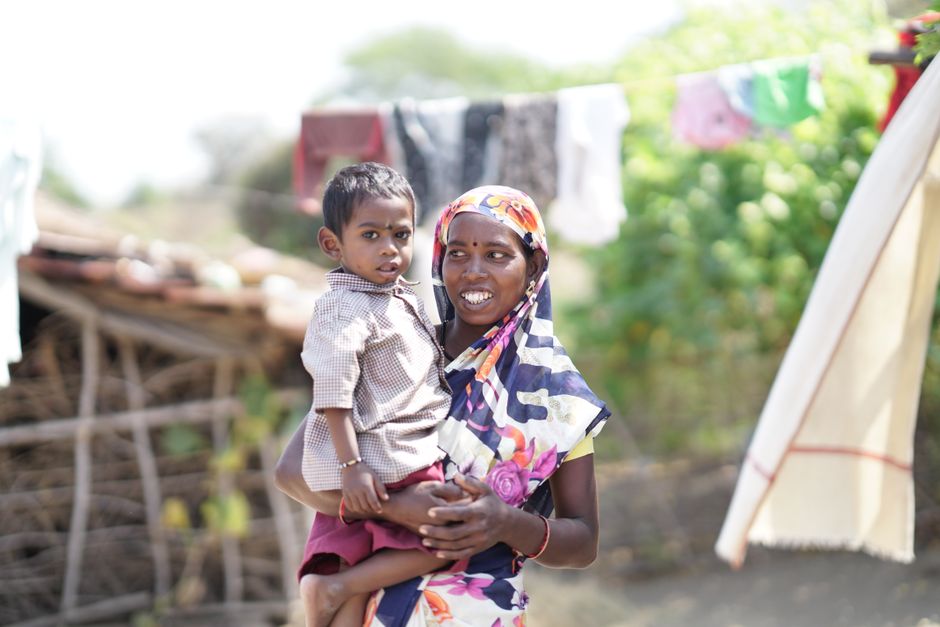
In this article, we’ll explore: Sirona Foundation Promotes Menstrual Hygiene and Sustainable Period Care in India and why it matters today.
Related:
👉 Why Her Health Changes Everything: Diving into the BcozSheMatters Campaign
👉 The Invisible Rhythm: Understanding the Hormonal Mechanisms of Women’s Risk in the Face of Traumatic Stress
👉 The Hidden Science: Why Hormones Make Women More Vulnerable to Traumatic Stress
Learn more: Sirona Foundation Promotes Menstrual Hygiene and Sustainable Period Care in India on Wikipedia
Imagine being a young girl in a small village in Rajasthan. You’ve just started your period, but instead of reaching for a sanitary pad, you’re forced to use old, tattered rags or even dried leaves. You’re told not to enter the kitchen, not to touch the pickles, and certainly not to go to school for those five days. This isn’t a scene from a history book; it is the reality for millions of women across India today.
For decades, menstrual hygiene has been a whispered topic, wrapped in layers of shame and silence. But change is brewing, and it’s coming from organizations that believe a period should never be a period to a girl’s education or a woman’s dignity. One such pioneer is the Sirona Foundation. By focusing on education and innovation, the Sirona Foundation Promotes Menstrual Hygiene and Sustainable Period Care in India in a way that is both revolutionary and deeply human.
In this post, we’ll dive into how they are breaking taboos, why sustainable care is the future, and the incredible impact they are making on the ground.
The Harsh Reality of Period Poverty in India
Before we look at the solutions, we have to understand the scale of the problem. India is a country of contrasts. While urban centers have access to the latest menstrual products, rural areas and urban slums tell a different story.
Studies suggest that nearly 23 million girls drop out of school annually in India because they lack access to proper menstrual hygiene facilities. Think about that for a second. A natural biological process is literally stopping millions of bright young minds from reaching their potential. It’s not just about the “stuff”—the pads or the cups—it’s about the lack of clean water, private toilets, and, most importantly, the lack of correct information.
When the Sirona Foundation stepped into this space, they realized that just handing out free pads wasn’t enough. Pads are expensive to keep buying, and in many villages, there is no way to dispose of them properly. This is where the shift toward “sustainable” care became a game-changer.
Why Sustainability is the Heart of the Mission
You might wonder, why focus on menstrual cups? Why not just give everyone biodegradable pads? The answer lies in long-term impact. A single menstrual cup can last up to 10 years. For a woman living in a low-income household, this means a decade of not having to worry about the recurring cost of pads.
The Sirona Foundation Promotes Menstrual Hygiene and Sustainable Period Care in India by championing the menstrual cup as a tool for empowerment. Here is why this matters:
- Economic Freedom: A woman saves thousands of rupees over a decade by switching to a cup.
- Environmental Protection: A single person uses roughly 11,000 disposable pads in their lifetime. These pads take 500-800 years to decompose. Cups create zero waste.
- Health and Comfort: High-quality medical-grade silicone cups (like the ones Sirona provides) reduce the risk of rashes and infections often caused by the chemicals in cheap disposable pads.
The Story of Meena: A Real-World Example
Meena, a 32-year-old construction worker in Delhi, used to spend a significant portion of her daily wages on pads. When she couldn’t afford them, she used cloth, which often leaked while she was working. Through a Sirona Foundation workshop, she was introduced to the menstrual cup. Initially, she was scared—”How does it go inside?” she asked. But after a guided session and a few months of use, Meena says her life has changed. She no longer worries about leaks or the cost. She is now an advocate in her community, teaching other workers how to use the cup.
Breaking the Silence: Education Through “Period Pathshala”
Distributing products is the easy part. Changing minds? That’s the real challenge. The Sirona Foundation runs an initiative called “Period Pathshala.” These are educational workshops designed to strip away the myths surrounding menstruation.
In many parts of India, periods are seen as “impure.” Girls are told they are “dirty” during their cycle. The Foundation’s educators go into schools, community centers, and villages to talk openly about biology. They explain that menstruation is a sign of health, not a curse.
What happens in these workshops?
- Anatomy Lessons: Using simple diagrams to explain where the blood comes from.
- Hygiene Practices: Teaching how to wash, how to track cycles, and how to stay clean.
- Cup Training: Demonstrating how to fold, insert, and sterilize a menstrual cup.
- Myth Busting: Answering questions like “Can I exercise?” or “Will a cup break my hymen?” (The answer is a loud NO!).
The Environmental Impact: Why “Sustainable” Isn’t Just a Buzzword
In India, the disposal of menstrual waste is a massive crisis. In cities, pads end up in landfills, where waste pickers have to handle them with their bare hands—a huge health risk. In rural areas, pads are often burnt or thrown into water bodies, causing pollution.
By promoting menstrual cups, the Sirona Foundation is tackling this environmental nightmare head-on. Every woman who switches to a cup is preventing hundreds of pounds of plastic waste from entering our soil and oceans. This is why the phrase “Sustainable Period Care” is so vital to their mission. It’s about caring for the body and the planet simultaneously.
Collaborations and the “Lakhon Khushiyan” Initiative
The scale of the Sirona Foundation’s work is bolstered by their “Lakhon Khushiyan” (Lakhs of Happiness) initiative. They partner with NGOs, corporate CSR wings, and government bodies to reach the most remote corners of the country. From the mountains of Ladakh to the backwaters of Kerala, they are ensuring that no woman is left behind.
They don’t just “drop and go.” They follow up. They ensure that the women who receive these sustainable products know how to use them and have a support system if they face any issues. This “high-touch” approach is what makes their model successful where others have failed.
Key Takeaways: The Impact of Sirona Foundation
If we look at the broader picture, the work being done here is creating a ripple effect. Here are the key takeaways of how the Sirona Foundation Promotes Menstrual Hygiene and Sustainable Period Care in India:
- Empowerment: Giving women the tools to manage their periods allows them to work and study without interruption.
- Sustainability: Reducing the massive plastic footprint of disposable menstrual products.
- De-stigmatization: Normalizing the conversation around periods to end the “shame” cycle.
- Health: Providing safe, medical-grade alternatives to unhygienic traditional methods.
How You Can Be Part of the Change
You don’t have to be part of a major NGO to make a difference. Awareness is the first step. By talking about sustainable period care, sharing information about menstrual cups, and supporting organizations like the Sirona Foundation, we all contribute to a period-positive India.
If you use Sirona products, a portion of the proceeds often goes toward these foundation activities. It’s a beautiful cycle where your purchase helps a woman in need achieve menstrual freedom.
Frequently Asked Questions (FAQs)
1. Is it safe to use a menstrual cup in rural areas with limited water?
Yes! A menstrual cup actually requires less water than washing cloth pads. You only need a small amount of clean water to rinse the cup during your cycle and a bit more to boil and sterilize it at the end of your period.
2. Does the Sirona Foundation only provide menstrual cups?
While their primary focus is on sustainable care (cups), they also provide education on various hygiene products and focus heavily on the “Period Pathshala” educational sessions to ensure holistic awareness.
3. How can an NGO partner with the Sirona Foundation?
The Foundation is always looking for ground partners who have deep roots in local communities. Interested NGOs can usually reach out through their official website to collaborate on distribution and training drives.
4. Are menstrual cups culturally accepted in India?
It’s a journey. There is initial resistance due to myths about virginity and “insertion.” However, once the benefits of cost-saving and comfort are explained through the Foundation’s workshops, the acceptance rate increases significantly.
5. Why is sustainable period care better than biodegradable pads?
Biodegradable pads are a great step up from plastic pads, but they still require disposal and recurring costs. A menstrual cup is a “one-time” solution for 10 years, making it the most sustainable and economical choice for women in low-income groups.
Wrapping It Up
The journey toward a period-friendly India is long, but the Sirona Foundation is paving the way with heart and innovation. By moving the conversation from “shame” to “sustainability,” they aren’t just giving women a product; they are giving them their time, their health, and their dignity back.
The Sirona Foundation Promotes Menstrual Hygiene and Sustainable Period Care in India because they know that when a woman is empowered to manage her period safely, she can change the world. And that is a cause worth supporting.
Written with love and assistance and refined for quality.
🔗 Related: Hormonal mechanisms of womens risk in…
🔗 Related: How the 4-Day Week Benefits Women…