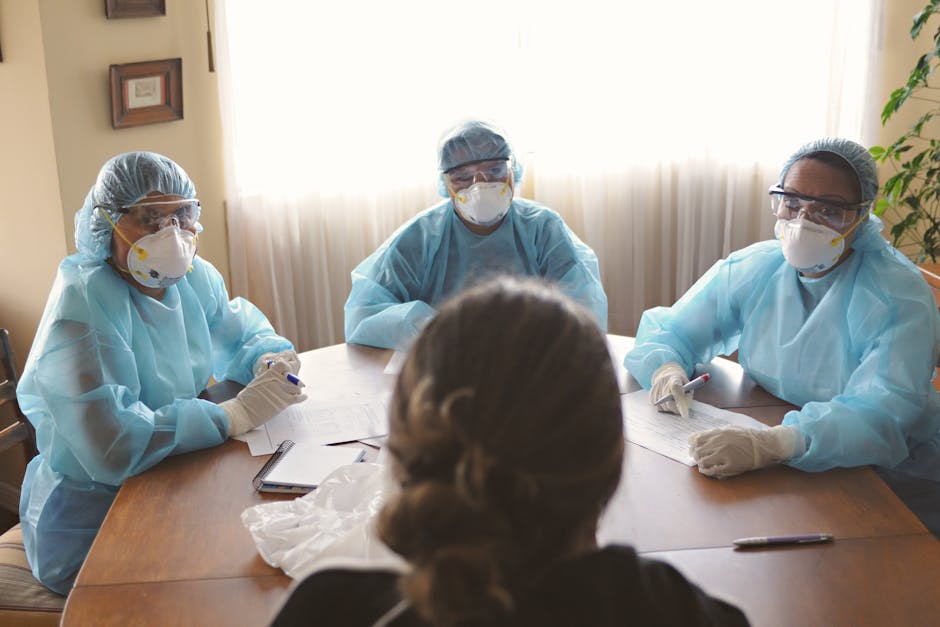
In this article, we’ll explore: BcozSheMatters: WHO Health Ministry roll out campaign on women and girls health and well-being and why it matters today.
Related:
👉 Tummy Trouble? 8 Foods To Avoid With an Upset Stomach and What To Eat Instead
👉 Why Trauma Hits Differently: Understanding the Hormonal Mechanisms of Women’s Risk
👉 BcozSheMatters: Why the New WHO and Health Ministry Campaign is a Game-Changer for Women
Think about the women in your life for a moment. Your mother, who might have ignored her own back pain for years to make sure you finished your homework. Your sister, who balances a demanding career with the mental load of running a household. Or the young girl next door who is just starting to navigate the complexities of growing up. For too long, women’s health has been treated as a secondary priority—a “we’ll get to it later” issue. But that narrative is finally shifting.
The recent announcement of BcozSheMatters: WHO Health Ministry roll out campaign on women and girls health and well-being marks a massive milestone in global healthcare. It isn’t just another government program with a fancy acronym; it’s a heartfelt, systemic movement designed to put women and girls exactly where they belong: at the center of the healthcare conversation.
In this post, we’re going to dive deep into what this campaign actually means for the average woman, why the partnership between the WHO and the Health Ministry is so vital, and how this initiative aims to change lives from the ground up.
The “Superwoman” Trap: Why This Campaign is Necessary
We live in a world that celebrates the “Superwoman.” We praise women for “doing it all,” but we rarely ask at what cost. Statistics show that women are more likely than men to delay seeking medical help for themselves because they are prioritizing the care of children or elderly parents. Whether it’s a nagging ache, a mental health struggle, or a reproductive health concern, many women simply push through the pain.
This is where the BcozSheMatters: WHO Health Ministry roll out campaign on women and girls health and well-being steps in. It recognizes that a healthy society is impossible if the women within it are struggling. When a woman is healthy, her family thrives, her community prospers, and the economy grows. The campaign is built on the simple yet profound truth that her health matters—not just for others, but for her.
Breaking the Silence on Taboo Topics
One of the most refreshing aspects of the BcozSheMatters initiative is its willingness to talk about the things we usually whisper about. We’re talking about menstrual hygiene, menopause, and maternal mental health. For years, these topics have been shrouded in stigma, leaving millions of girls and women to suffer in silence or feel “ashamed” of natural biological processes.
Imagine a young girl named Maya living in a rural village. When she starts her period, she doesn’t have access to clean pads or even a private bathroom at school. She ends up staying home, missing a week of education every month. Through this campaign, the Health Ministry is working to ensure that girls like Maya have the supplies and the education they need so that their biology never becomes a barrier to their dreams.
The Core Pillars of BcozSheMatters
The campaign isn’t just a slogan; it’s a multi-faceted strategy. Here is how the WHO and the Health Ministry are planning to make a real-world difference:
- Accessible Maternal Care: Reducing maternal mortality rates by ensuring every woman, regardless of her zip code, has access to quality prenatal and postnatal care.
- Mental Health Support: Creating safe spaces and counseling services specifically for women dealing with postpartum depression, anxiety, and the stresses of caregiving.
- Nutritional Security: Addressing anemia and malnutrition, which disproportionately affect girls and pregnant women in many regions.
- Preventive Screenings: Making screenings for breast cancer and cervical cancer affordable and accessible in local community clinics.
- Digital Health Literacy: Using mobile apps and SMS alerts to give women direct access to health information and appointment reminders.
A Partnership for Progress: WHO and the Health Ministry
Why is the collaboration between the World Health Organization (WHO) and the national Health Ministry so important? It’s about combining global expertise with local action.
The WHO brings the data, the international standards, and the successful blueprints from other countries. The Health Ministry brings the infrastructure, the local language, and the deep understanding of cultural nuances. When these two forces combine, as they have for the BcozSheMatters: WHO Health Ministry roll out campaign on women and girls health and well-being, the result is a program that is both scientifically sound and culturally sensitive.
For example, in many regions, a woman might need her husband’s or mother-in-law’s permission to visit a doctor. The campaign doesn’t just target the women; it educates the whole family, explaining why preventive care is an investment in the family’s future. It’s about changing mindsets, not just providing medicine.
Real-World Example: The Story of Sarah
Let’s look at Sarah, a 35-year-old mother of three living in a bustling city. Sarah always felt exhausted, but she chalked it up to “mom life.” She didn’t realize she was severely anemic. Through a BcozSheMatters community health camp, she received a free blood test and a supply of iron supplements. Within two months, her energy levels soared. She was able to return to her part-time job and felt more present for her children. Sarah’s story is a perfect example of how a small, targeted intervention can ripple out and improve an entire family’s quality of life.
Addressing the “Invisible” Struggles: Mental Health and Well-being
Perhaps the most groundbreaking part of this campaign is the focus on “well-being” beyond just physical health. We often talk about health as the absence of disease, but the WHO defines it as a state of complete physical, mental, and social well-being.
The BcozSheMatters campaign acknowledges that women carry a unique mental load. From the “second shift” (working a job and then coming home to do housework) to the societal pressure to look a certain way, women’s mental health is under constant siege. By integrating mental health services into standard primary care, the campaign is saying: “Your mind matters just as much as your body.”
Youth and Adolescents: Starting Early
The “Girls” part of the campaign title is crucial. If we can teach young girls to value their health and understand their bodies early on, we create a generation of empowered women. This includes everything from HPV vaccinations to body positivity and self-esteem workshops. When a girl grows up knowing she has a right to healthcare, she becomes a woman who advocates for herself and others.
Key Takeaways from the BcozSheMatters Campaign
- Inclusivity: The campaign aims to reach women in the most remote areas, ensuring no one is left behind.
- Holistic Approach: It covers everything from physical ailments to mental health and nutritional needs.
- Education is Key: A large part of the initiative is focused on debunking myths and providing accurate health information.
- Sustainable Change: By partnering with the WHO, the Health Ministry is building a framework that will last for years, not just a few months.
- Community Driven: Success relies on local health workers and community leaders who understand the specific needs of their neighborhoods.
How Can You Support the Movement?
You don’t have to be a doctor or a politician to support the BcozSheMatters: WHO Health Ministry roll out campaign on women and girls health and well-being. Change starts with conversation. Here is how you can help:
1. Talk About It: Share information about the campaign with the women in your life. Encourage your friends to go for their annual check-ups.
2. Listen: Sometimes, the best way to support a woman’s health is to listen to her struggles without judgment, especially regarding mental health.
3. Advocate: Support policies in your local workplace or community that prioritize maternal leave, mental health days, and flexible working conditions.
Conclusion: A Healthier Future for All
The launch of the BcozSheMatters campaign is a breath of fresh air. It is a formal recognition that women are the backbone of society and that their health is a fundamental human right, not a luxury. By focusing on education, accessibility, and the removal of taboos, the WHO and the Health Ministry are laying the groundwork for a future where every girl and woman can reach her full potential.
Because at the end of the day, she doesn’t just matter because of what she does for others. She matters because she is a human being worthy of care, dignity, and a long, healthy life.
Frequently Asked Questions (FAQ)
What is the main goal of the BcozSheMatters campaign?
The primary goal is to improve the overall health and well-being of women and girls by providing better access to healthcare services, education, and mental health support, while also reducing maternal mortality and addressing nutritional gaps.
Who is behind this initiative?
The campaign is a collaborative effort between the World Health Organization (WHO) and the national Health Ministry, combining international expertise with local implementation.
Does the campaign cover mental health?
Yes! One of the core pillars of the BcozSheMatters campaign is mental health and emotional well-being, recognizing that women face unique stressors and deserve specialized support.
How will the campaign reach women in rural areas?
The initiative uses a combination of mobile health clinics, community health workers, and digital outreach (like SMS alerts and apps) to ensure that even those in remote locations have access to care and information.
Is this campaign only for adult women?
No, the campaign specifically includes “girls” in its mission. It focuses on adolescent health, menstrual hygiene, and early education to ensure that girls grow up with the knowledge and resources to stay healthy.
How can I stay updated on the campaign’s progress?
You can follow the official websites of the WHO and your local Health Ministry, or keep an eye on social media hashtags like #BcozSheMatters for the latest news and success stories.
Written with love and assistance and refined for quality.
{“@context”:”https://schema.org”,”@type”:”Article”,”headline”:”Empowering the Heart of Every Home: Why the “BcozSheMatters” Campaign is a Turning Point for Womenu2019s Health”,”description”:”In this article, weu2019ll explore: BcozSheMatters: WHO Health Ministry roll out campaign on women and girls health and well-being and…”,”author”:{“@type”:”Person”,”name”:”Dr. Cuterus”},”datePublished”:”2026-05-20T09:25:25+00:00″,”dateModified”:”2026-05-20T09:25:25+00:00″,”mainEntityOfPage”:”https://healthyworldz.com/empowering-the-heart-of-every-home-why-the-bcozshematters-campaign-is-a-turning-point-for-womens-health/”,”image”:[“https://healthyworldz.com/wp-content/uploads/2026/05/bcozshematters-who-health-ministry-roll-out-campaign-on-women-and-girls-health-and-well-being-2.jpg”]}
🔗 Related: 8 Foods To Avoid With an…
🔗 Related: 8 Foods To Avoid With an…