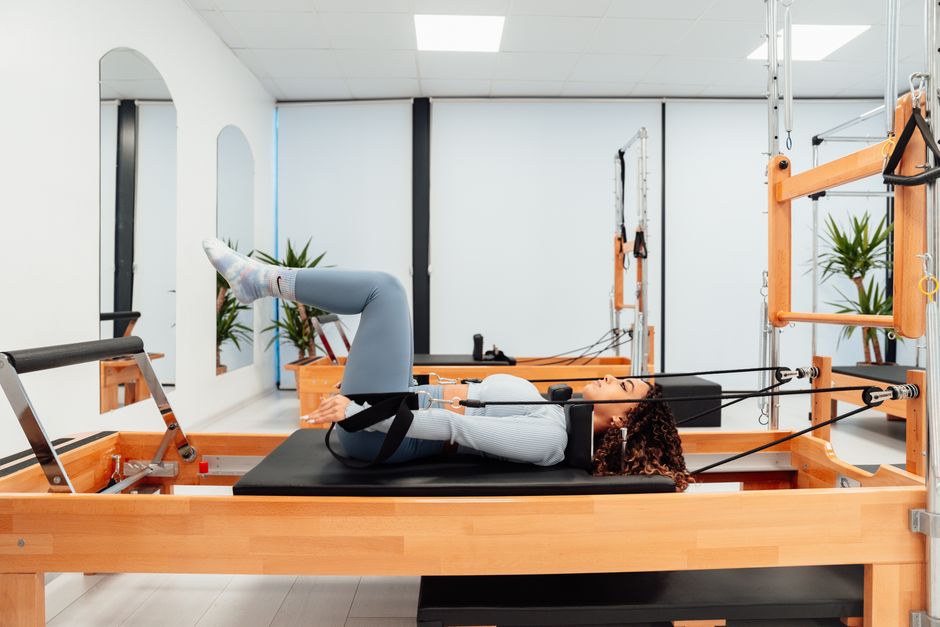
In this article, we’ll explore: Perineal muscle strength as a predictor of stress urinary incontinence among young parous women in Mangaluru India and why it matters today.
Related:
👉 Empowering the Future: Why the BcozSheMatters Campaign is a Game-Changer for Women’s Health
👉 PCOS and the "Broken Welcome Mat": Understanding Why Women With Polycystic Ovary Syndrome Exhibit Impaired Endometrial Receptivity With Excessive ER and Histone Lactylation
👉 Why Perineal Muscle Strength is the Secret to Post-Baby Confidence for Young Moms in Mangaluru
Imagine you’re at a lively family gathering in the heart of Mangaluru. The smell of fresh kori rotti fills the air, and your cousins are sharing a hilarious story about a childhood prank. You start to laugh—really laugh—but then, a familiar flash of panic hits. You cross your legs tightly, hoping no one notices the small, involuntary leak.
For many young mothers in our coastal city, this isn’t just an embarrassing moment; it’s a daily reality. We often brush it off as a “normal” part of having children. We call it a “mom bladder.” But the truth is, this condition, known as Stress Urinary Incontinence (SUI), is a medical issue that deserves our attention. More importantly, recent health insights suggest that perineal muscle strength as a predictor of stress urinary incontinence among young parous women in Mangaluru India is one of the most effective ways to identify and treat this problem before it impacts a woman’s quality of life.
In this post, we’re going to dive deep into what’s happening with your body after childbirth, why Mangaluru’s young moms are at the center of this conversation, and how understanding your muscle strength can change your life.
What Exactly is Stress Urinary Incontinence (SUI)?
Before we get into the science, let’s clear up a common myth: Stress Urinary Incontinence has nothing to do with emotional stress. You aren’t leaking because you’re worried about your toddler’s preschool admission.
SUI happens when physical “stress” or pressure is put on your bladder. This pressure can come from:
- Sneezing or coughing during the monsoon flu season.
- Laughing at a joke.
- Lifting a heavy grocery bag at the Central Market.
- Running or jumping during a workout.
When the muscles that support your bladder—the perineal and pelvic floor muscles—are weak, they can’t hold the “door” shut against that extra pressure. The result? An accidental leak. For young women who have recently given birth (parous women), these muscles have often been stretched or strained, making them more susceptible to SUI.
The Mangaluru Context: Why This Study Matters Here
Mangaluru is a unique blend of traditional values and modern lifestyles. We have world-class healthcare facilities, yet many women still feel a sense of “shame” or “shyness” (what we often call lajje) when discussing reproductive or pelvic health.
In our community, young mothers are often expected to bounce back quickly. Whether it’s returning to a high-pressure job in an IT firm or managing a busy household, the focus is rarely on the mother’s internal physical recovery. Researching perineal muscle strength as a predictor of stress urinary incontinence among young parous women in Mangaluru India provides local healthcare providers with the data they need to help women right here in our backyard. It moves the conversation from “suffer in silence” to “let’s measure and fix it.”
The “Hammock” Effect: Understanding Your Perineal Muscles
Think of your perineal muscles as a strong, flexible hammock. This hammock holds up your bladder, uterus, and bowel. During pregnancy, this hammock carries the weight of a growing baby for nine months. During a vaginal delivery, that hammock is stretched to its absolute limit.
If the hammock stays stretched out or loses its “bounce,” it can’t support the organs above it properly. By measuring the strength of these muscles, doctors can actually predict who is most likely to suffer from SUI. It’s like checking the brakes on a car before you go on a long drive—knowing the strength of the system tells you how well it will perform under pressure.
Why Young Mothers?
There is a common misconception that urinary leakage is an “old person’s problem.” However, the data shows that young parous women—women in their 20s and 30s who have had one or more children—are significantly affected.
In Mangaluru, many young moms are physically active. They are walking the steep hills of Kadri, carrying children up apartment stairs, and trying to maintain a healthy lifestyle. When SUI strikes at a young age, it doesn’t just cause physical discomfort; it causes emotional distress. It can lead to women avoiding exercise, social outings, or even intimacy, which can lead to a cycle of isolation and poor health.
How is Perineal Muscle Strength Measured?
You might be wondering, “How do they even know if my muscles are weak?” In a clinical setting, professionals use a few different methods:
1. Digital Palpation
A trained physiotherapist or gynecologist uses a manual check to feel the contraction of the pelvic floor muscles. They usually grade the strength on a scale (often the Oxford Scale) from 0 to 5.
2. Perineometry
This involves a small device that measures the actual pressure (in mmHg) that your muscles can exert. It’s a very objective way to see exactly where you stand.
3. Real-time Ultrasound
Sometimes, doctors use ultrasound to watch the muscles move in real-time. It’s fascinating to see the “lift” of the pelvic floor on a screen!
By using these tools, researchers have found that lower pressure readings are a direct predictor of SUI symptoms. If your “squeeze” isn’t hitting a certain threshold, the likelihood of leaking during a sneeze goes up significantly.
Real-Life Example: Kavitha’s Story
Kavitha, a 30-year-old bank employee in Mangaluru, had her second child two years ago. She loved going for morning walks at Mangala Stadium, but she started noticing that every time she picked up her pace, her leggings would get damp. She felt humiliated and stopped going to the stadium altogether.
After reading about pelvic health, she visited a specialist who measured her perineal muscle strength. It turned out her “hammock” was functioning at only 40% capacity. Through a dedicated program of pelvic floor rehabilitation and Kegel exercises, she regained her strength. Six months later, Kavitha was back at the stadium, running without a single worry. Her story is a testament to why we need to stop treating SUI as a “secret” and start treating it as a measurable health goal.
Steps to Improve Your Pelvic Health
If you suspect your perineal muscle strength isn’t where it should be, don’t panic. The body is incredibly resilient. Here is how you can start your journey toward a “leak-free” life:
- Consult a Specialist: Visit a uro-gynecologist or a pelvic floor physiotherapist in Mangaluru. There are excellent clinics in areas like Falnir and Kuntikan that specialize in women’s health.
- Master the Kegel: It’s not just about squeezing; it’s about the “lift and release.” Learning the correct technique is crucial.
- Watch Your Posture: Believe it or not, how you sit and stand affects your pelvic floor. Slumping puts extra pressure on those muscles.
- Hydrate Wisely: Many women stop drinking water to avoid leaks, but this actually irritates the bladder. Drink plenty of water, but space it out throughout the day.
- Manage Your Weight: Excess weight can put constant pressure on the pelvic floor hammock.
Key Takeaways for Mangalurean Moms
If you take nothing else away from this article, remember these three points:
- It’s not “normal”: Leaking is common, but it is not a normal part of aging or motherhood that you have to accept.
- Strength is a Predictor: Your muscle strength today can predict your bladder health tomorrow. Getting tested is a proactive step.
- Help is Local: You don’t need to travel to a metro city for help. Mangaluru has the expertise to help you recover.
The Path Forward: Breaking the Taboo
As a community, we need to talk more openly about postpartum recovery. We celebrate the birth of the baby, but we must also celebrate the recovery of the mother. By focusing on perineal muscle strength as a predictor of stress urinary incontinence among young parous women in Mangaluru India, we are empowering women to take control of their bodies.
Next time you’re at a wedding at a hall in Bunts Hostel or enjoying a sunset at Panambur Beach, you should be able to laugh, run, and celebrate without a second thought about your bladder. You’ve done the incredible work of bringing life into this world; you deserve to live your own life with confidence and comfort.
Frequently Asked Questions (FAQ)
1. Is SUI only caused by normal delivery?
No. While vaginal delivery is a major factor due to the stretching of the muscles, the weight of the pregnancy itself can weaken the pelvic floor. Women who have had C-sections can also experience SUI.
2. How long does it take to see results from pelvic exercises?
Consistency is key! Most women start to notice a significant difference in 8 to 12 weeks of regular, correctly performed pelvic floor exercises.
3. Can I do these exercises at home?
Yes, but it is highly recommended to see a professional at least once to ensure you are engaging the right muscles. Many people accidentally squeeze their stomach or glutes instead of their pelvic floor.
4. Does diet affect SUI?
Indirectly, yes. Caffeine and spicy foods (which we love in Mangaluru!) can irritate the bladder lining, making the urge to go more frequent and intense, which can worsen SUI symptoms.
5. Is surgery the only option for weak perineal muscles?
Absolutely not. Surgery is usually a last resort. Most cases of SUI in young women can be significantly improved or even cured through physiotherapy, lifestyle changes, and muscle strengthening.
Disclaimer: This blog post is for informational purposes only and does not constitute medical advice. Always consult with a qualified healthcare professional for any health concerns.
Written with love and assistance and refined for quality.
🔗 Related: Yes Creatine Can Help With StrengthBut…