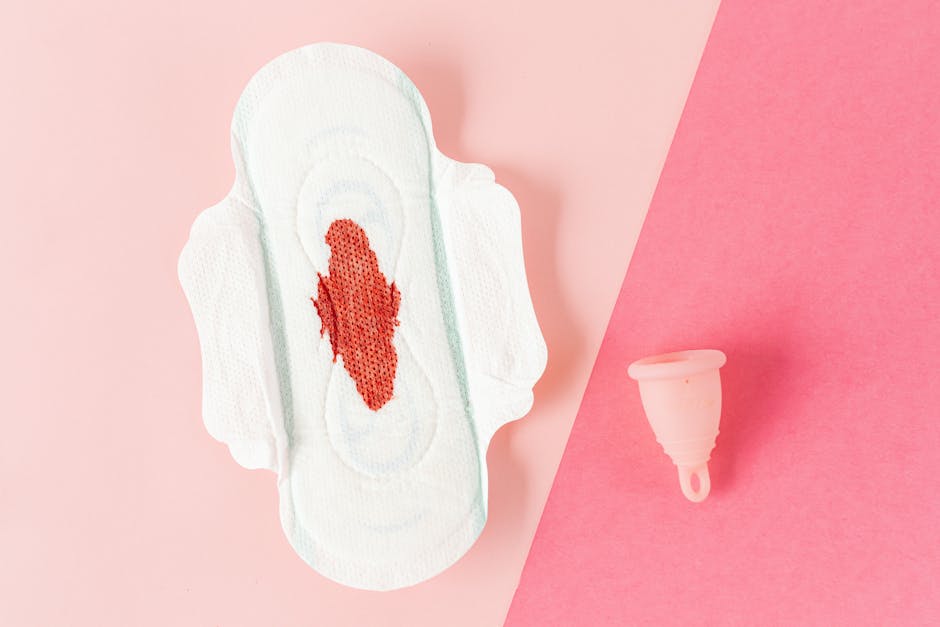
In this article, we’ll explore: pcod, period, menstrual, fitness, sleep, stress and why it matters today.
Learn more: pcod, period, menstrual, fitness, sleep, stress on Investopedia
The PCOD Survival Guide: How Fitness, Sleep, and Stress Control Your Period
If you’ve ever sat on your bathroom floor, staring at a negative pregnancy test while your period is three weeks late—again—you know the unique frustration of PCOD. It’s not just about “irregular periods.” It’s the cystic acne that pops up right before a big meeting, the thinning hair, the stubborn weight that won’t budge even if you live on kale, and that overwhelming sense of fatigue that a double espresso can’t fix.
I remember a friend of mine, let’s call her Maya. Maya was a high-flyer in her marketing firm. She was “doing everything right.” She hit the gym for intense HIIT sessions at 6 AM, drank green smoothies, and worked until 9 PM. Yet, her PCOD symptoms were getting worse. Her menstrual cycle was non-existent, her stress levels were through the roof, and she felt like her body was a stranger.
The truth is, managing PCOD isn’t about a “magic pill.” It’s about understanding the delicate dance between your fitness, sleep, and stress levels. When these three are out of sync, your period becomes the first casualty. Let’s dive into how you can take back control.
What is PCOD and Why Does It Mess With Your Period?
PCOD (Polycystic Ovarian Disease) is a condition where the ovaries release immature or partially mature eggs, which eventually turn into cysts. This leads to a hormonal imbalance—specifically, an increase in male hormones (androgens) and insulin resistance.
When your hormones are playing tug-of-war, your menstrual cycle gets caught in the middle. Instead of a regular 28-day rhythm, your body gets confused. You might skip months, or you might experience heavy, painful bleeding when it finally arrives. But here’s the secret: your lifestyle choices act as the “volume knob” for these symptoms.
The Insulin Connection
Most women with PCOD deal with insulin resistance. This means your body doesn’t use insulin effectively, leading to high blood sugar and even higher androgen levels. This is why fitness and diet are so crucial—they help your body process sugar, which in turn helps regulate your period.
Fitness for PCOD: Why Less is Sometimes More
When Maya was struggling, her first instinct was to work out harder. She thought, “If I’m gaining weight, I need to burn more calories.” But for a body already under stress from PCOD, intense cardio can actually backfire. It spikes cortisol (the stress hormone), which tells your body to hold onto fat and shut down reproductive functions.
1. Strength Training is Your Best Friend
Muscle is metabolically active. The more lean muscle you have, the better your body handles insulin. You don’t need to become a bodybuilder, but lifting moderate weights 3 times a week can do wonders for your menstrual health.
2. Low-Impact Steady State (LISS)
Walking is underrated. A 30-minute brisk walk after dinner helps lower blood sugar spikes. It’s a form of fitness that doesn’t scream “emergency” to your nervous system.
3. Yoga and Flexibility
Yoga isn’t just about stretching; it’s about blood flow to the pelvic region and calming the nervous system. Positions like the “Butterfly Pose” or “Child’s Pose” can help ease menstrual cramps and reduce the physical impact of stress.
The Silent Healer: Why Sleep is Non-Negotiable
If you are scrolling through TikTok at 2 AM, you are making your PCOD worse. It sounds harsh, but it’s the truth. Sleep is when your body repairs itself and regulates hormones.
When you don’t get enough sleep, your hunger hormones (ghrelin) go up and your fullness hormones (leptin) go down. This leads to those “PCOD cravings” for sugary snacks the next day. More importantly, poor sleep disrupts the production of Melatonin, which is closely linked to egg quality and ovulation.
Tips for Better Sleep with PCOD:
- The 10-3-2-1 Rule: No caffeine 10 hours before bed, no food 3 hours before, no work 2 hours before, and no screens 1 hour before.
- Keep it Cool: Women with PCOD often experience “hot flashes” or night sweats due to hormonal shifts. Keep your room cool to ensure deep, uninterrupted rest.
- Morning Sunlight: Get 10 minutes of sun in your eyes first thing in the morning. This sets your internal clock so you can fall asleep easier at night.
The Stress Factor: The Invisible Period Thief
You can have the perfect fitness routine and eat all the broccoli in the world, but if your stress levels are constant, your period will likely stay irregular.
The brain has something called the HPO (Hypothalamic-Pituitary-Ovarian) axis. Think of it as the control center for your hormones. When you’re stressed, your brain thinks you’re in danger (like running from a tiger). It decides that now is not a good time to have a baby or a menstrual cycle. So, it shuts down the production of progesterone.
Real-World Example: The “Work-Life” Trap
Maya realized that her “hustle” was killing her hormones. She started setting boundaries—no emails after 7 PM. She started a 5-minute meditation practice. Within three months of lowering her stress, her period returned for the first time in a year. It wasn’t a miracle; it was her HPO axis finally feeling safe enough to function.
How to Sync Your Life with Your Cycle
Instead of fighting your body, try working with it. This is called “Cycle Syncing.”
The Menstrual Phase (The Period)
Your hormones are at their lowest. You might feel tired.
- Fitness: Gentle walking or rest.
- Focus: Sleep and warmth.
The Follicular Phase (Post-Period)
Energy starts to rise as estrogen increases.
- Fitness: Light jogging or strength training.
- Focus: New projects and creativity.
The Ovulatory Phase (Mid-Cycle)
This is when you have the most energy.
- Fitness: High-intensity workouts or social sports.
- Focus: High-stress tasks and socializing.
The Luteal Phase (Before the Period)
Progesterone rises, but if you have PCOD, it might drop too fast.
- Fitness: Slow down. Yoga or Pilates.
- Focus: Managing stress and getting extra sleep.
Key Takeaways for Managing PCOD Naturally
- Stop Over-Exercising: Trade high-intensity daily cardio for strength training and walking to improve fitness without spiking cortisol.
- Prioritize 7-9 Hours of Sleep: Sleep is the foundation of hormonal balance. Without it, your period will remain irregular.
- Manage Stress Daily: Use meditation, journaling, or boundaries to tell your brain that it is “safe” to ovulate.
- Watch the Sugar: PCOD and insulin resistance go hand-in-hand. Eat fiber-rich foods to keep your blood sugar stable.
- Be Patient: Hormones don’t change overnight. Give your new lifestyle at least 3 to 6 months to see a change in your menstrual cycle.
Frequently Asked Questions (FAQ)
1. Can I cure PCOD completely?
PCOD is a “management” condition rather than something you “cure” like a cold. However, you can absolutely reach a state where you are symptom-free, have a regular period, and feel healthy through consistent fitness, sleep, and stress management.
2. Does PCOD always mean I will have trouble getting pregnant?
Not necessarily. While PCOD can make ovulation irregular, many women with the condition conceive naturally or with minimal medical help once they balance their hormones through lifestyle changes.
3. Why is my PCOD worse when I’m stressed at work?
Stress triggers the release of cortisol and androgens. These hormones directly interfere with the signals your brain sends to your ovaries, often causing your menstrual cycle to stop or become unpredictable.
4. Is coffee bad for PCOD?
For some, caffeine can increase stress hormones and disrupt sleep. If you notice you feel jittery or your period is missing, try switching to decaf or green tea, which contains L-theanine to help with relaxation.
5. How much exercise is too much?
If you feel exhausted for hours after a workout, or if your period disappears when you start a new gym routine, you might be overdoing the fitness. Listen to your body—it knows best.
Final Thoughts
Living with PCOD can feel like a full-time job you never applied for. But remember, your body isn’t trying to punish you; it’s just trying to communicate. When you prioritize your sleep, move your body with intention, and lower your stress, you aren’t just fixing a period—you are building a healthier, more resilient version of yourself.
Take it one step at a time. Maybe tonight, you just turn off your phone an hour early. Small wins lead to big changes.
Written with love and assistance and refined for quality.
🔗 Related: fitness
🔗 Related: stress