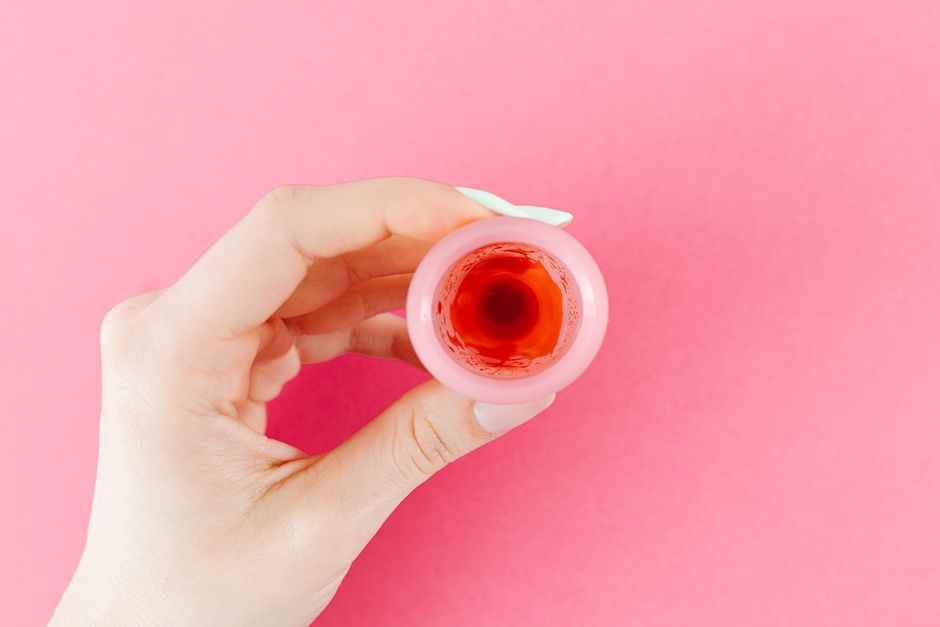
In this article, we’ll explore: Period poverty: A global menstrual health crisis and why it matters today.
Related:
👉 Why Men Lose Weight Differently Than Women: The Truth Behind the "Unfair" Gap
👉 Why Millions Are Still Fighting for a Basic Right: Understanding Period Poverty as a Global Menstrual Health Crisis
👉 Why the New BcozSheMatters Campaign is the Health Revolution Women Have Been Waiting For
Learn more: Period poverty: A global menstrual health crisis on Investopedia
Imagine for a second that every single month, you had to make a choice between buying a loaf of bread for your family or buying a pack of menstrual pads. Imagine being a teenager and having to stay home from school for a week every month because you’re afraid of leaking through your clothes in front of your classmates. Or worse, imagine using old rags, newspapers, or even dried leaves because you simply have no other option.
For most of us, a trip to the pharmacy for tampons or pads is a minor inconvenience—a quick errand we barely think about. But for millions of women, girls, and people who menstruate around the world, this is a monthly struggle for dignity, health, and education. This is what we call period poverty.
When we talk about period poverty: a global menstrual health crisis, we aren’t just talking about a lack of money. We are talking about a systemic failure that affects everything from a girl’s education to her mental health and her future economic potential. It is time we pull back the curtain on this “silent” crisis and look at what’s actually happening on the ground.
What Exactly Is Period Poverty?
At its simplest, period poverty is the lack of access to menstrual products, hygiene facilities, and reproductive health education. However, it’s rarely just about the products themselves. It is a “triple threat” of challenges that keep people trapped in a cycle of shame and disadvantage.
- The Financial Barrier: The rising cost of pads, tampons, and cups. In many countries, these items are taxed as “luxury goods” rather than essential healthcare items.
- The Infrastructure Gap: A lack of clean water and private toilets. You can have all the pads in the world, but if you don’t have a private place to change or clean water to wash your hands, managing a period becomes a nightmare.
- The Information Gap: Many young girls reach puberty without ever having a conversation about what a period is. This leads to fear, confusion, and the belief that their bodies are “dirty” or “broken.”
The Story of Sarah: A Reality Check
To understand the human side of this, let’s look at Sarah (not her real name), a 14-year-old living in a rural village in Kenya. When Sarah got her first period, she didn’t know what was happening. She thought she was dying. Her school didn’t have a private bathroom for girls, and her family couldn’t afford the $1.00 USD for a pack of pads—a price that represents a significant portion of their daily income.
Every month, Sarah stayed home for four or five days. Over a school year, that’s nearly two months of missed education. By the time she was 16, she had fallen so far behind her male peers that she dropped out entirely. This isn’t just Sarah’s story; it is the story of millions. When we fail to address menstrual health, we essentially tell girls that their education is secondary to a natural biological process.
It’s Not Just a “Developing World” Problem
One of the biggest misconceptions about period poverty is that it only happens in low-income countries. That couldn’t be further from the truth. Period poverty is happening in the United Kingdom, the United States, Australia, and all across Europe.
In the U.S., studies have shown that 1 in 4 students struggle to afford period products. Many teachers report keeping “emergency stashes” in their desks, paid for out of their own pockets, because they know their students are using toilet paper or socks to get through the day. In the UK, data suggests that over 10% of girls have been unable to afford menstrual products at some point.
Whether it’s a refugee camp in Syria or a low-income neighborhood in New York City, the core of the issue remains the same: basic biological needs are being treated as a privilege rather than a right.
The Psychological Toll of Stigma
Beyond the physical and financial hurdles, there is the heavy weight of stigma. For centuries, periods have been shrouded in secrecy. We use code words like “Aunt Flo” or “that time of the month.” We hide tampons up our sleeves on the way to the bathroom. We whisper about it.
This culture of silence makes period poverty much harder to fight. If we can’t talk about periods, we can’t talk about the lack of pads. In some cultures, menstruating women are forbidden from touching food, entering temples, or even sleeping in the same house as their families. This isolation breeds a sense of shame that can last a lifetime, affecting a person’s self-esteem and their willingness to seek medical help for reproductive health issues.
The “Pink Tax” and Economic Barriers
Have you ever noticed that products marketed toward women often cost more than similar products for men? This is the “Pink Tax.” While some progress has been made, many regions still levy a Value Added Tax (VAT) on menstrual products. In some places, items like Viagra or even certain types of snack foods are tax-exempt, while pads and tampons are taxed as non-essential. This sends a clear message about whose health the government prioritizes.
Real-World Examples of Change
The good news? The world is finally waking up. We are seeing a global movement to end period poverty, and some countries are leading the way with incredible bravery and common sense.
Scotland: A Global Trailblazer
In 2020, Scotland became the first country in the world to make period products free for everyone. The Period Products (Free Provision) Act ensures that local authorities and education providers provide tampons and pads to anyone who needs them, free of charge. It was a landmark moment that proved that with enough political will, we can treat menstrual health as a public health priority.
The “Padman” of India
In India, Arunachalam Muruganantham (the inspiration for the movie *Padman*) realized his wife was using dirty rags because she couldn’t afford expensive commercial pads. He spent years inventing a low-cost machine that could manufacture affordable sanitary napkins. His grassroots approach didn’t just provide products; it created jobs for women in rural villages, empowering them to take charge of their own health and finances.
New Zealand Schools
Following Scotland’s lead, New Zealand began providing free period products in all primary, intermediate, and secondary schools. The government recognized that “period poverty: a global menstrual health crisis” was directly impacting the attendance and engagement of their students.
Key Takeaways: Why This Matters to Everyone
- Education: Keeping girls in school leads to better economic outcomes for entire communities.
- Health: Using unhygienic alternatives (like old rags or sand) can lead to severe infections and long-term reproductive health issues.
- Dignity: No one should feel ashamed of a natural bodily function. Access to products is a matter of basic human rights.
- Economy: When women can participate fully in the workforce without being sidelined by their periods, the global economy grows.
What Can We Do to Help?
It’s easy to feel overwhelmed by a “global crisis,” but change often starts with small, local actions. Here is how you can make a difference:
1. Normalize the Conversation
Stop whispering. Talk about periods openly with your friends, your children, and even your male colleagues. The more we normalize the topic, the less power the stigma has. Men and boys need to be part of this conversation too; they are fathers, brothers, and policymakers who can advocate for change.
2. Support Local Period Banks
Just like food banks, many communities now have period banks or “period projects.” You can donate unopened boxes of pads, tampons, or reusable cups to local shelters and schools. Often, these are the most requested but least donated items.
3. Advocate for Policy Change
Write to your local representatives. Ask them to support legislation that removes the “Pink Tax” or provides free products in public buildings and schools. Your voice matters more than you think.
4. Choose Sustainable Options
If you are in a position to do so, consider switching to reusable products like menstrual cups or period underwear. Not only is this better for the environment, but many companies that sell these products have a “buy one, give one” model that supports people in need.
The Path Forward
Ending period poverty isn’t just about handing out pads. It’s about building a world where every person has the resources they need to manage their health with dignity. It’s about ensuring that a biological process doesn’t become a barrier to a person’s dreams.
We are currently at a turning point. From the halls of the Scottish Parliament to the rural villages of India, the conversation is changing. We are finally recognizing that menstrual health is public health. By addressing period poverty: a global menstrual health crisis, we aren’t just helping individuals—we are lifting up entire societies.
Let’s keep talking, keep donating, and keep pushing for a world where no one is held back by their period.
Frequently Asked Questions
What is the main cause of period poverty?
The main cause is a combination of financial hardship, lack of access to clean water and sanitation, and a lack of education. High taxes on products and the social stigma surrounding menstruation also play significant roles.
How does period poverty affect education?
In many parts of the world, girls skip school during their periods because they lack products or private bathrooms. This leads to them falling behind in their studies and often results in them dropping out of school entirely at a young age.
Are reusable products a solution to period poverty?
They can be a great long-term solution because they last for years, but they require access to clean water and soap for sterilization. In areas without reliable water sources, disposable products or biodegradable options might be more practical.
How can men help end period poverty?
Men can help by educating themselves, supporting policies that provide free products, and helping to break the stigma by treating menstruation as a normal, healthy part of life rather than something “gross” or “secret.”
Is period poverty getting worse?
While awareness is growing, economic inflation and the rising cost of living have made it harder for low-income families to afford basic hygiene products, making the crisis more urgent than ever in many regions.
Written with love and assistance and refined for quality.
🔗 Related: For millions of women PCOS was…
🔗 Related: Genelia DSouza opens up about menopause…
🔗 Related: Estrogen levels in both the male…