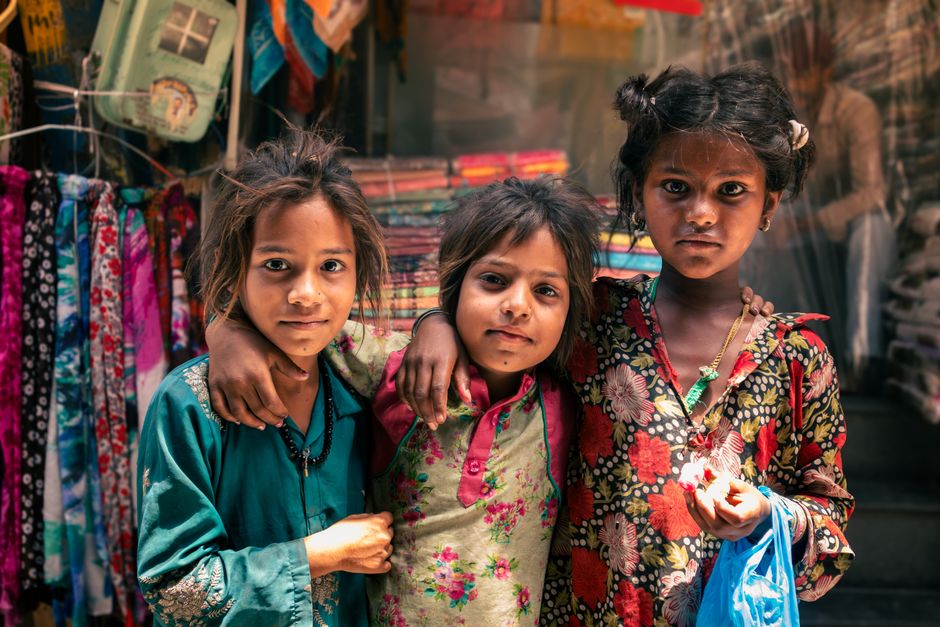
In this article, we’ll explore: Period poverty: A global menstrual health crisis and why it matters today.
Related:
👉 Why the New #BcozSheMatters Campaign is a Game-Changer for Women’s Health
👉 Why Am I Not Losing Weight on Wegovy? The Real Talk About Plateaus and Progress
👉 Could Your Joint Supplement Be Clouding Your Mind? A Deep Dive into Glucosamine and Dementia
Learn more: Period poverty: A global menstrual health crisis on Google Search
Imagine for a second that you are a teenage girl sitting in a classroom. You feel that familiar cramp, that sudden realization that your period has started. But instead of reaching into your bag for a pad or asking a friend for a spare, you feel a surge of panic. You don’t have any supplies at home. Your parents had to choose between buying groceries or buying a box of tampons this month, and the groceries won. You’re forced to use folded-up toilet paper, an old rag, or even a piece of newspaper, praying that it doesn’t leak before the final bell rings.
For millions of people around the world, this isn’t a hypothetical “what if” scenario. It is a monthly reality. This is the heart of period poverty: a global menstrual health crisis that affects dignity, education, and health on a massive scale. It is a quiet crisis, often whispered about in shadows because of the deep-seated stigma surrounding menstruation, but it is one of the most significant barriers to gender equality today.
What Exactly is Period Poverty?
When we talk about period poverty, we aren’t just talking about a lack of money to buy pads or tampons. It’s a much broader issue. Period poverty is the lack of access to sanitary products, menstrual hygiene education, toilets, handwashing facilities, and waste management.
It is a complex intersection of economic hardship and social stigma. If a person cannot afford a $7 box of pads, they likely also lack access to a private, clean bathroom with running water where they can change and wash themselves. When you combine the physical lack of resources with the cultural shame often attached to periods, you get a crisis that traps people in a cycle of poverty and missed opportunities.
The Human Cost: More Than Just a Monthly Inconvenience
To understand the scale of this issue, we have to look at the human stories behind the statistics. Period poverty doesn’t just affect a person for five days a month; its consequences ripple through their entire life.
1. The Education Gap
In many parts of the world, a period is a reason to drop out of school. In sub-Saharan Africa, the World Bank estimates that one in ten girls misses school during their menstrual cycle. Over time, these missed days add up, leading many girls to fall behind and eventually quit school altogether. When a girl’s education is cut short, her earning potential drops, and the cycle of poverty continues for another generation.
2. Health Risks and Dangerous Alternatives
When safe products are unavailable, people get creative out of necessity. However, these “hacks” are often dangerous. In various regions, women have reported using dried leaves, husks, ash, or dirty rags. These materials can cause severe reproductive tract infections, urinary tract infections, and long-term health complications. Period poverty isn’t just uncomfortable; it’s a direct threat to physical well-being.
3. The Mental Health Burden
There is a profound psychological toll to period poverty. The constant fear of leaking, the shame of using inadequate materials, and the inability to stay clean lead to high levels of anxiety and depression. It strips away a person’s sense of dignity. No one should feel “dirty” or “ashamed” because of a natural biological process, yet millions are made to feel exactly that every single month.
It’s Not Just a “Developing World” Problem
One of the biggest misconceptions about period poverty: a global menstrual health crisis is that it only happens in low-income countries. This couldn’t be further from the truth. Period poverty is happening in some of the wealthiest nations on Earth.
In the United States, a study found that two-thirds of low-income women could not afford menstrual products at least once in the previous year. Many had to choose between food and pads. In the United Kingdom, one in ten girls has been unable to afford sanitary products. Even in “developed” nations, the “Pink Tax”—the extra cost added to products marketed toward women—and the fact that many states still tax period products as “luxury items” make these essentials unreachable for those living on the margins.
Whether it’s a girl in rural India or a college student in New York City, the struggle to manage a period with dignity is a universal challenge that transcends borders.
Real-World Examples of the Crisis
To see how this looks in practice, let’s look at a few different corners of the globe:
- Kenya: For many years, the lack of pads led to “transactional sex” for pads, where young girls were forced to trade sexual favors just to get the supplies they needed to go to school. While the government has made strides in providing free pads to schools, the underlying poverty remains a massive hurdle.
- Scotland: On a more positive note, Scotland became a global leader in 2020 by becoming the first country in the world to make period products free for everyone. They recognized that menstrual products are a basic necessity, just like toilet paper in a public restroom.
- The United States: In many U.S. prisons, pads and tampons have historically been treated as privileges or items that must be purchased at high prices from commissaries. This leaves incarcerated individuals—who often have no income—in incredibly dehumanizing situations.
Breaking the Stigma: The First Step to a Solution
Why has it taken so long for the world to recognize period poverty as a crisis? The answer is simple: Stigma. For centuries, menstruation has been treated as a “women’s issue” that should be kept secret. In some cultures, menstruating people are considered “impure” and are forbidden from entering kitchens or places of worship.
As long as periods are treated as something shameful to be hidden, we cannot have an honest conversation about the resources needed to manage them. Breaking the taboo is the first step. When we talk openly about periods, we normalize them. When we normalize them, we can legislate for them. We need to move from “whispering about pads” to “demanding policy changes.”
What Can We Do to End Period Poverty?
Ending this crisis requires a multi-pronged approach. It isn’t enough to just hand out a box of pads; we need systemic change.
- Policy and Legislation: Governments need to scrap the “tampon tax” and mandate that period products be available for free in schools, shelters, and prisons.
- Infrastructure Investment: We must invest in clean water and private sanitation facilities in schools and workplaces. A pad is useless if there is nowhere to change it privately and safely.
- Comprehensive Education: Boys and men need to be included in the conversation. Education helps dismantle the myths and shame that lead to social exclusion.
- Support Grassroots Organizations: Many NGOs are working on the ground to provide sustainable solutions, such as reusable pads and menstrual cups, which are more cost-effective and environmentally friendly in the long run.
Key Takeaways
- Period poverty: a global menstrual health crisis affects over 500 million people worldwide who lack access to basic menstrual supplies and facilities.
- It is a major barrier to education, with millions of girls missing school every month.
- The crisis exists in both high-income and low-income countries, driven by the high cost of products and systemic neglect.
- Stigma and shame are the biggest obstacles to solving the problem; open conversation is essential.
- Solutions include removing taxes on products, providing free supplies in public institutions, and improving water and sanitation infrastructure.
Frequently Asked Questions
What is the main cause of period poverty?
The main causes are financial hardship (the high cost of products), lack of access to clean water and private toilets, and cultural stigmas that prevent open discussion and education about menstrual health.
How does period poverty affect a person’s health?
Without safe products, people often use unhygienic materials like old clothes or paper, which can lead to severe infections. It also takes a toll on mental health, causing anxiety, shame, and social isolation.
Is period poverty only a problem in poor countries?
No. It is a global issue. Even in wealthy countries like the US and the UK, many people living below the poverty line struggle to afford menstrual products every month.
How can I help end period poverty?
You can help by donating products to local shelters, supporting organizations that provide menstrual education, and advocating for policies that make period products free in schools and public buildings.
What is the “Tampon Tax”?
The “Tampon Tax” refers to the sales tax placed on menstrual products, which are often categorized as “luxury goods” rather than “essential necessities” like groceries or medical supplies.
Final Thoughts
Period poverty is not just a “women’s issue.” It is a human rights issue. When people are held back from reaching their full potential because of a natural bodily function, society as a whole loses. By addressing period poverty: a global menstrual health crisis, we aren’t just giving someone a pad; we are giving them their time back, their education back, and their dignity back.
It’s time we stop whispering and start acting. Whether through policy change or simple conversation, we all have a role to play in making menstrual equity a reality for everyone, everywhere.
Written with love and assistance and refined for quality.
🔗 Related: Making sense of the widening gender…
🔗 Related: For millions of women PCOS was…
🔗 Related: Hormonal mechanisms of womens risk in…