In this article, we’ll explore: 8 Foods To Avoid With an Upset Stomachand What To Eat Instead and why it matters today.
Related:
👉 Unpacking the Gender Gap: How Hormonal Mechanisms Influence Women's Risk in the Face of Traumatic Stress
👉 Unlocking the Mystery: How PCOS Affects Your Uterus & What Excessive ER and Histone Lactylation Mean for Fertility
👉 Navigating the Tummy Troubles: 8 Foods To Avoid With an Upset Stomach and What To Eat Instead
Learn more: 8 Foods To Avoid With an Upset Stomachand What To Eat Instead on Wikipedia
Ah, the dreaded upset stomach. We’ve all been there, haven’t we? That familiar gurgle, the uncomfortable churn, the sudden urge to just curl up in a ball and wish the world away. Whether it’s a fleeting bout of indigestion, a nasty stomach bug, or just a general feeling of “off-ness,” an upset stomach can throw a serious wrench in your day. And when you’re feeling this way, the last thing you want is to make it worse with the wrong food choices.
It’s a common misconception that when your stomach is rebelling, any food is better than no food. While some sustenance is often necessary, what you choose to put into your body can either be your best friend or your worst enemy during these delicate times. Eating the wrong thing can prolong your discomfort, intensify symptoms, and even set back your recovery. But here’s the good news: knowing which foods to sidestep and which gentle options to embrace can make a world of difference. Think of it as giving your digestive system a much-needed spa day!
So, let’s dive into the nitty-gritty. We’re going to explore the 8 foods to avoid with an upset stomach and what to eat instead, helping you navigate your way back to comfort and calm. Your gut will thank you!
The Culprits: 8 Foods That Worsen an Upset Stomach
When your stomach is feeling tender, it’s essentially sending out an S.O.S. for gentle care. Bombarding it with these common irritants is like throwing gasoline on a fire. Let’s look at what to avoid.
1. Spicy Foods
Oh, how we love a good kick of chili! But when your stomach is already doing somersaults, spicy foods are a definite no-go. Ingredients like capsaicin, found in chili peppers, can irritate the lining of your stomach and intestines, leading to increased burning, heartburn, and even diarrhea. Imagine pouring hot sauce on an open wound – that’s pretty much what you’re doing to your sensitive gut.
- What to eat instead: Stick to bland, non-spicy options. Think plain boiled chicken, steamed rice, or simple mashed potatoes.
2. Fried and Greasy Foods
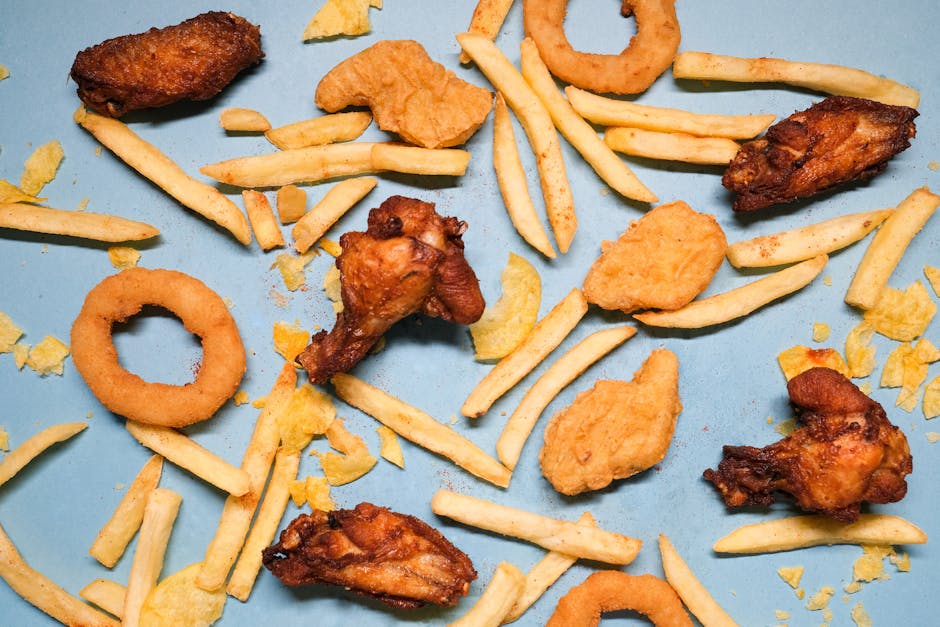
That crispy fried chicken or those greasy French fries might look tempting, but they are a nightmare for an upset stomach. Foods high in fat are notoriously difficult for your digestive system to break down. They can delay stomach emptying, leading to feelings of fullness, nausea, and indigestion. Your body has to work overtime to process them, which is the last thing you want when it’s already struggling.
- What to eat instead: Opt for lean proteins that are baked, grilled, or boiled. Think a simple piece of baked fish or a boiled egg.
3. Dairy Products (Especially for Lactose Intolerance)
For many, dairy products like milk, cheese, and ice cream can be problematic even on a good day. If you’re lactose intolerant, your body lacks the enzyme lactase needed to break down lactose, the sugar in dairy. When your stomach is upset, this intolerance can be amplified, leading to gas, bloating, cramps, and diarrhea. Even if you don’t normally have severe lactose intolerance, an upset stomach can temporarily make your gut more sensitive to dairy.
- What to eat instead: If you enjoy creamy textures, try lactose-free milk alternatives like almond or oat milk, or stick to clear broths and water.
4. Caffeinated Drinks and Alcohol
Your morning coffee might be a ritual, but when your stomach is upset, it’s best to skip it. Caffeine is a stimulant that can increase stomach acid production and act as a laxative, potentially worsening diarrhea or stomach cramps. Alcohol, on the other hand, is a direct irritant to the stomach lining and can lead to inflammation and dehydration, making you feel even worse.
- What to eat instead: Hydration is key! Sip on water, clear broths, or soothing herbal teas like ginger or peppermint (more on these later).
5. Acidic Foods (Citrus Fruits and Tomatoes)
While vitamin C is great, the high acidity in citrus fruits (oranges, lemons, grapefruit) and tomato-based products (sauces, juice) can be too harsh for an irritated stomach lining. They can trigger heartburn, acid reflux, and general discomfort, especially if your upset stomach is accompanied by nausea or a burning sensation.
- What to eat instead: For a gentle fruit option, reach for bananas or applesauce. When craving something savory, plain white rice or toast is a better bet than tomato-laden dishes.
6. Raw Vegetables (Especially Cruciferous Ones)
We’re usually told to eat our greens, and raw vegetables are packed with nutrients and fiber. However, when your stomach is in distress, that high fiber content can be difficult to digest. Raw, fibrous veggies like broccoli, cabbage, cauliflower, and even large salads can produce a lot of gas and bloating, adding to your discomfort. Your gut needs a break from heavy lifting.
- What to eat instead: Opt for well-cooked, soft vegetables like boiled carrots, peeled potatoes, or cooked zucchini. These are much easier to break down.
7. Artificial Sweeteners and Sugar Alcohols
Found in many “diet” or “sugar-free” products, artificial sweeteners (like aspartame, sucralose) and sugar alcohols (sorbitol, xylitol, mannitol) are notorious for causing digestive issues. They can act as laxatives and often lead to gas, bloating, and diarrhea, even in healthy individuals. When your stomach is already sensitive, these can be a recipe for disaster.
- What to eat instead: If you need a touch of sweetness, a tiny bit of honey (known for its soothing properties) or maple syrup might be okay, but generally, it’s best to avoid added sugars and sweeteners altogether.
8. Carbonated Beverages
That fizzy soda or sparkling water might seem refreshing, but the bubbles are not your friend when your stomach is upset. The carbonation can introduce excess gas into your digestive system, leading to bloating, burping, and increased stomach discomfort. It’s like shaking a soda bottle – all that pressure needs to go somewhere!
- What to eat instead: Stick to flat liquids like water, diluted fruit juice (apple or grape, not citrus), or herbal teas.
The Allies: What to Eat Instead When Your Stomach Is Upset
Now that we know what to steer clear of, let’s talk about the good stuff – the foods that can actually help soothe your stomach and promote healing. Think bland, easily digestible, and gentle.
- The BRAT Diet: This classic stands for Bananas, Rice, Applesauce, and Toast. These foods are low in fiber, easy to digest, and can help bind loose stools.
- Ginger: A natural anti-inflammatory, ginger is famous for its ability to calm nausea. Sip on ginger tea or chew a small piece of fresh ginger.
- Peppermint: Like ginger, peppermint can help relax stomach muscles and ease cramps. Peppermint tea is a wonderful choice.
- Clear Broths: Chicken or vegetable broth provides essential fluids, electrolytes, and some nutrients without taxing your digestive system.
- Plain Crackers: Saltine crackers or plain biscuits can help absorb excess stomach acid and settle nausea.
- Boiled Potatoes: Peeled and boiled, potatoes are a good source of energy and easy to digest.
- Lean Proteins: Once you can tolerate a bit more, plain baked chicken breast or white fish can provide protein without much fat.
- Oatmeal: Cooked oats are a good source of soluble fiber, which can be soothing and help regulate bowel movements.
Remember, the key is to introduce foods slowly and in small portions. Listen to your body – it will tell you what it can handle.
Key Takeaways for a Grateful Gut
- Listen to Your Body: Everyone is different. What bothers one person might not bother another. Pay attention to how different foods make you feel.
- Bland is Best: When in doubt, choose bland, easily digestible foods. Your gut needs a break, not a challenge.
- Stay Hydrated: Water, clear broths, and herbal teas are your best friends. Dehydration can worsen stomach issues.
- Small Portions: Don’t overload your digestive system. Eat small, frequent meals rather than large ones.
- Give it Time: Recovery takes time. Don’t rush back into your usual diet until you feel completely better.
FAQ Section: Your Upset Stomach Questions Answered
Q: How long should I stick to a bland diet after an upset stomach?
A: It depends on the severity and cause of your upset stomach. Generally, stick to bland foods for at least 24-48 hours after your symptoms subside. Gradually reintroduce other foods, one at a time, to see how you tolerate them. If you had a severe stomach bug, it might take a few days longer.
Q: Is it okay to drink coffee if my stomach just feels a little off, not severely upset?
A: Even if your stomach is just “a little off,” coffee can still irritate it due to its acidity and caffeine content. It’s usually best to switch to a soothing herbal tea or just plain water until you feel 100% normal. Why risk making it worse?
Q: When should I see a doctor for an upset stomach?
A: While most upset stomachs resolve on their own, you should seek medical attention if you experience severe abdominal pain, high fever, bloody or black stools, persistent vomiting (especially if you can’t keep liquids down), signs of dehydration (reduced urination, extreme thirst, dizziness), or if symptoms last for more than a few days without improvement. Always err on the side of caution.
Q: Can probiotics help with an upset stomach?
A: Probiotics can be beneficial for restoring healthy gut flora after an upset stomach, especially if it was caused by an infection or antibiotics. However, it’s best to introduce them once you can tolerate other bland foods, and choose a reputable brand. Some people find probiotic-rich foods like plain yogurt (if dairy is tolerated) or kefir helpful, but start small.
Bringing It All Together
Dealing with an upset stomach is never fun, but by making smart, informed food choices, you can significantly ease your discomfort and speed up your recovery. Remember the list of 8 foods to avoid with an upset stomach and what to eat instead as your guiding light. Treat your digestive system with kindness, give it the gentle nourishment it needs, and you’ll be back to feeling like yourself in no time. Your gut is a delicate ecosystem – nurture it, and it will thank you with comfort and well-being!
Written with love and assistance and refined for quality.
{“@context”:”https://schema.org”,”@type”:”Article”,”headline”:”Soothe Your Stomach: 8 Foods To Avoid With an Upset Stomach and What To Eat Instead”,”description”:”In this article, weu2019ll explore: 8 Foods To Avoid With an Upset Stomachand What To Eat Instead and why it…”,”author”:{“@type”:”Person”,”name”:”rahuljait”},”datePublished”:”2026-05-10T13:08:33+00:00″,”dateModified”:”2026-05-10T13:08:33+00:00″,”mainEntityOfPage”:”https://healthyworldz.com/soothe-your-stomach-8-foods-to-avoid-with-an-upset-stomach-and-what-to-eat-instead/”,”image”:[“https://healthyworldz.com/wp-content/uploads/2026/05/8-foods-to-avoid-with-an-upset-stomachand-what-to-eat-instead-16.jpg”]}
🔗 Related: Women with polycystic ovary syndrome exhibit…
🔗 Related: Hormonal mechanisms of womens risk in…
🔗 Related: 8 Foods To Avoid With an…