In this article, we’ll explore: Period poverty: causes and related issues and why it matters today.
Related:
👉 The Missing Piece of the PCOS Fertility Puzzle: Understanding Endometrial Receptivity
👉 The Hidden Risk of the Weight Loss Revolution: Why Menopause and GLP-1 Drugs Are a Risky Mix for Your Bones
👉 Why It’s Harder for Embryos to Stick: Understanding PCOS and Endometrial Receptivity
Learn more: Period poverty: causes and related issues on Investopedia
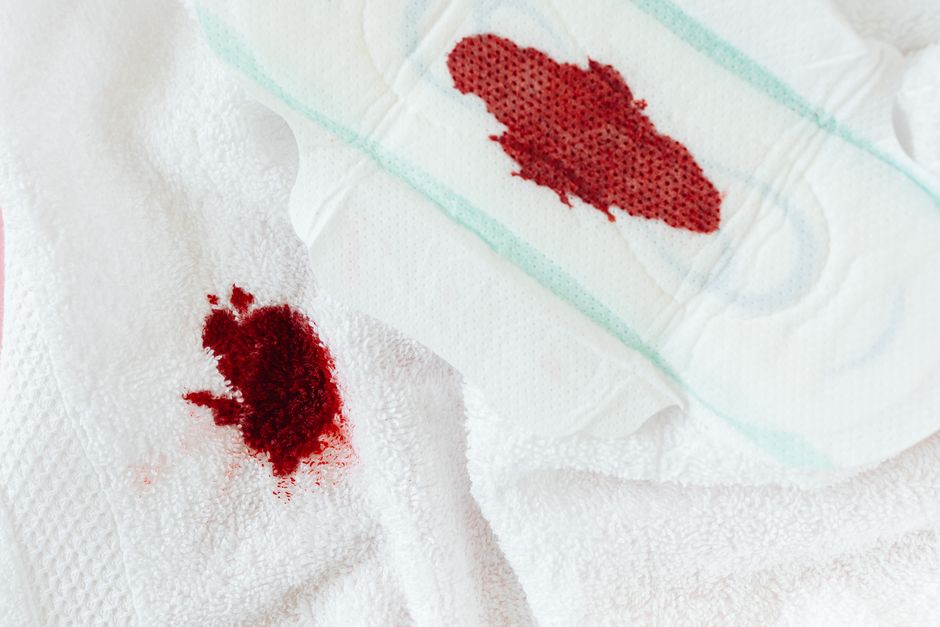
Imagine for a second that you are a fourteen-year-old girl named Maya. Maya is bright, loves math, and dreams of becoming an engineer. But every month, for about five days, Maya’s world stops. She doesn’t go to school. She doesn’t hang out with her friends. She stays home, sitting on an old towel or stuffing her underwear with rough toilet paper and scraps of cloth.
Maya isn’t sick. She’s just having her period. But in her household, money is so tight that her parents have to choose between buying a bag of rice or a pack of menstrual pads. The rice wins every time. This isn’t a scene from a history book; it is the daily reality for millions of people across the globe. This is the heart of period poverty: causes and related issues that often go unspoken in polite conversation.
In this post, we’re going to peel back the layers of this global crisis. We’ll look at why it happens, who it affects, and why solving it is one of the most effective ways to lift entire communities out of poverty.
What Exactly is Period Poverty?
When we talk about period poverty, we aren’t just talking about being “broke.” It is a complex lack of access to menstrual products, hygiene facilities, and basic reproductive education. It’s the inability to manage a natural bodily function with dignity.
While we often think of this as an issue only in developing nations, the truth is much closer to home. From the United States to the United Kingdom, students, homeless individuals, and low-income workers struggle to afford basic necessities like tampons and pads. It is a quiet epidemic that thrives on silence and shame.
Period Poverty: Causes and Related Issues Explained
To solve a problem, we first have to understand what fuels it. The causes of period poverty are rarely singular; they are a mix of economic, social, and structural hurdles.
1. The Financial Barrier (The “Pink Tax”)
The most obvious cause is the cost. In many parts of the world, menstrual products are taxed as “luxury items” rather than essential healthcare goods. Think about that for a moment. In some places, Viagra or chocolate might be tax-exempt, while pads and tampons are not. For a family living below the poverty line, spending $10 to $15 a month per person on menstrual products is simply not sustainable.
2. Lack of Clean Water and Private Spaces
You can give someone all the pads in the world, but if they don’t have a private bathroom with clean, running water, they cannot manage their period safely. In many schools globally, toilets are shared, lack locks, or don’t have disposal bins. This lack of infrastructure forces many to stay home to avoid the embarrassment of a leak or the inability to wash themselves.
3. The Weight of Social Stigma
In many cultures, menstruation is still treated as “dirty” or “taboo.” This stigma prevents people from talking about their needs. If a young girl is too embarrassed to tell her teacher or parent she needs help, she suffers in silence. This “culture of silence” is a major driver of period poverty because it keeps the issue hidden from policymakers and donors.
4. Education Gaps
Many individuals start their periods without knowing what is happening to their bodies. Without proper menstrual health education, people don’t know how to use products safely or how to track their cycles. This lack of knowledge can lead to health complications and increased anxiety.
The Ripple Effect: How Period Poverty Impacts Lives
Period poverty doesn’t just end when the bleeding stops. It leaves a trail of consequences that can affect a person’s entire life trajectory.
The Education Gap
When girls miss school every month, they fall behind. Over time, these missed days add up to weeks and months of lost learning. Eventually, many drop out altogether. This creates a permanent economic disadvantage, as they are less likely to secure high-paying jobs later in life. Period poverty is, quite literally, a barrier to gender equality in education.
Health Risks and Infections
When people can’t afford proper products, they turn to “make-do” solutions. We’ve heard stories of people using:
- Old rags or socks
- Newspapers
- Dried leaves or sand
- Sawdust
- Used pads that have been “washed”
These methods are not just uncomfortable; they are dangerous. They can lead to severe urinary tract infections (UTIs), bacterial vaginosis, and in extreme cases, Toxic Shock Syndrome (TSS) or infertility.
The Mental Health Toll
The psychological impact of period poverty is profound. The constant fear of “leaking” in public, the shame of using dirty rags, and the isolation of staying home lead to high levels of anxiety and depression. It strips away a person’s sense of dignity and self-worth.
Real-World Examples: It’s Happening Everywhere
To understand the scope, let’s look at two very different parts of the world.
Example 1: Sub-Saharan Africa
In many rural parts of Kenya and Ethiopia, it is estimated that one in ten girls misses school during her period. Some girls even engage in “transactional sex” just to get enough money to buy a pack of pads. Here, the issue is a mix of high costs and a lack of water infrastructure.
Example 2: The United States
You might think a wealthy country would be immune. However, a study found that nearly two-thirds of low-income women in the U.S. could not afford menstrual products at some point during the year. Many students in American public schools rely on the school nurse for pads, but if the nurse runs out or the student is too shy to ask, they simply go home.
Breaking the Cycle: What is Being Done?
The good news is that the world is finally waking up. We are seeing a “Menstrual Equity” movement gaining steam across the globe.
- Policy Changes: Scotland became the first country in the world to make period products free for everyone. Several U.S. states have also abolished the “Tampon Tax.”
- School Programs: Many universities and high schools are now stocking bathrooms with free dispensers, treating pads just like toilet paper or soap.
- Sustainable Solutions: Organizations are teaching people how to sew reusable cloth pads or providing menstrual cups, which can last for years and reduce the long-term financial burden.
- Normalizing the Conversation: Social media campaigns and “period positive” influencers are working hard to break the stigma, making it okay to talk about periods in public spaces.
Key Takeaways
- Period poverty: causes and related issues are rooted in economics, lack of infrastructure, and social taboos.
- It affects millions of people globally, including those in high-income countries.
- The consequences include educational setbacks, serious health risks, and mental health struggles.
- Solving period poverty requires a multi-faceted approach: removing taxes, providing free products in schools, and improving water/sanitation.
- Menstrual equity is essential for achieving true gender equality.
Frequently Asked Questions
Is period poverty only a problem in poor countries?
No. While it is more prevalent in developing nations due to lack of infrastructure, it is a significant issue in wealthy countries like the US, Canada, and the UK, primarily affecting low-income families, students, and the homeless population.
How does period poverty affect education?
Students who cannot afford products or don’t have access to private toilets often stay home during their period. Missing 3-5 days of school every month leads to significant learning gaps and increases the likelihood of dropping out of school entirely.
What can I do to help end period poverty?
You can donate products to local food banks or shelters, advocate for “period-friendly” policies in your workplace or school, and support organizations like Period.org or Days for Girls. Most importantly, talk about it! Breaking the stigma is the first step toward change.
Are reusable products a solution to period poverty?
They can be a great long-term solution because they save money over time. However, they require access to clean water and soap for washing, which isn’t always available to everyone experiencing period poverty.
Final Thoughts
Period poverty isn’t just a “women’s issue.” It’s a human rights issue. When a large portion of the population is held back because of a natural biological process, society as a whole loses out on their potential, their ideas, and their contributions.
By addressing the period poverty: causes and related issues, we aren’t just giving someone a pad; we are giving them their time back, their education back, and their dignity back. It’s time we stop whispering about periods and start making sure everyone has what they need to live a full, healthy life—regardless of the time of the month.
Written with love and assistance and refined for quality.
🔗 Related: Perineal muscle strength as a predictor…
🔗 Related: Creatine for Women: Benefits Beyond Exercise…
🔗 Related: Women with polycystic ovary syndrome exhibit…
🔗 Related: Perineal muscle strength as a predictor…