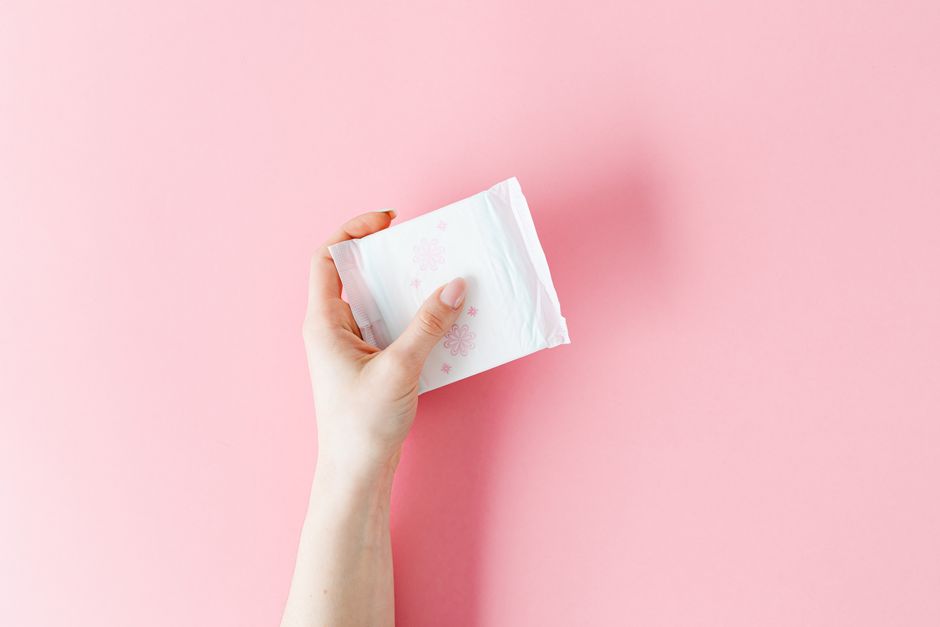
In this article, we’ll explore: Period poverty: A global menstrual health crisis and why it matters today.
Related:
👉 Don’t Let a Sneeze Stop You: Understanding Perineal Muscle Strength and Postpartum Health for Moms in Mangaluru
👉 The Hidden Danger of Rapid Weight Loss: Why Menopause and GLP-1 Drugs Are a Perfect Storm for Bone Loss in Women
👉 BcozSheMatters: Why the New WHO and Health Ministry Campaign is a Turning Point for Women and Girls Everywhere
Learn more: Period poverty: A global menstrual health crisis on Google Search
Imagine for a second that you are a teenage girl sitting in a classroom. You feel that familiar, dull ache in your lower back. You realize your period has started. But instead of reaching into your bag for a pad or a tampon, you realize you have nothing. Your family had to choose between buying groceries for the week or buying menstrual products, and food won.
What do you do? You might fold up some old newspaper. You might use a piece of a tattered rag. Or, more likely, you’ll quietly pack your bags, tie a sweater around your waist to hide any potential stains, and walk home. You’ll stay there for the next five days, missing lessons, missing friends, and falling behind.
This isn’t a scene from a movie. This is the daily reality for millions of people. This is period poverty: a global menstrual health crisis that affects dignity, education, and health in every single corner of the world.
What Exactly Is Period Poverty?
When we talk about period poverty, many people think it’s just about not being able to afford pads. While that’s a huge part of it, the issue is much broader. Period poverty is the lack of access to menstrual products, hygiene facilities, waste management, and even basic education about how the body works.
It’s a complex intersection of financial hardship and social stigma. If you have a period but you don’t have a private toilet to change in, or clean water to wash yourself, you are experiencing period poverty. If you are using unsafe materials like sawdust, leaves, or dirty socks because you can’t afford a $5 box of tampons, that is a health crisis.
The Three Pillars of the Crisis
- Affordability: The rising cost of living means menstrual products are often viewed as “luxury items” rather than necessities.
- Accessibility: Even if you have the money, do you have a clean, safe place to manage your period? In many parts of the world, private bathrooms are a luxury.
- Education: Many girls reach puberty without ever having a conversation about what is happening to their bodies, leading to fear and shame.
A Global Map of the Struggle
It is a mistake to think that period poverty only happens in developing nations. While the challenges differ, the struggle is universal. Let’s look at how this plays out in different parts of the world.
Sub-Saharan Africa and South Asia
In countries like Kenya, Ethiopia, and India, the barrier is often a combination of cost and deep-rooted cultural taboos. In some communities, menstruating people are considered “impure” and are forbidden from entering kitchens or temples. According to UNESCO, 1 in 10 girls in Sub-Saharan Africa misses school during their period. Over time, this leads to a massive gap in educational attainment between boys and girls.
The United States and the United Kingdom
In “wealthy” nations, the crisis is often hidden behind closed doors. In the U.S., many states still categorize pads and tampons as non-essential goods, subjecting them to a “tampon tax” while items like Viagra or golf club memberships are sometimes tax-exempt. A study found that nearly two-thirds of low-income women in the U.S. couldn’t afford menstrual products at least once in the past year.
The Refugee Experience
For those living in displacement camps or fleeing conflict, period poverty is extreme. When you are running for your life, a pack of pads is the last thing you can carry. In these environments, the lack of clean water makes managing a period not just difficult, but dangerous, as it leads to severe infections.
The Physical and Mental Health Toll
We call period poverty: a global menstrual health crisis because the “health” part is literal. When people are forced to use improvised materials, the consequences are serious.
Using dirty rags, sand, or ash can lead to reproductive tract infections (RTIs) and urinary tract infections (UTIs). In extreme cases, leaving a single tampon in for too long because you’re trying to “stretch” your supply can lead to Toxic Shock Syndrome (TSS), which is life-threatening.
Then there is the mental health aspect. The constant anxiety of “leaking” in public, the shame of being “found out,” and the isolation of staying home creates a heavy psychological burden. It erodes self-esteem and reinforces the idea that a natural bodily function is something to be ashamed of.
The Economic Ripple Effect
Period poverty isn’t just a health issue; it’s an economic one. When a woman misses work because she cannot manage her period, she loses wages. When a girl misses school, she loses her chance at a better future.
Think about the “Pink Tax.” This refers to the extra amount women pay for everyday products. When you add the lifetime cost of menstrual products—estimated to be upwards of $6,000 for the average person—you see a massive financial drain that disproportionately affects those already living near the poverty line.
Breaking the Silence: Why Stigma Matters
Why has it taken so long for the world to recognize this crisis? The answer is simple: stigma.
For centuries, menstruation has been treated as a “whisper topic.” We hide pads in our sleeves on the way to the bathroom. We use code words like “Aunt Flo” or “that time of the month.” This culture of silence makes it incredibly difficult for people to stand up and say, “I can’t afford this,” or for politicians to prioritize it in their budgets.
To solve period poverty, we have to stop treating periods like a secret. We have to treat them like the biological reality they are—no different from breathing or eating.
Signs of Progress: The World is Waking Up
It’s not all bad news. In recent years, we’ve seen a massive shift in how governments and organizations approach this issue.
- Scotland Leading the Way: In 2020, Scotland became the first country in the world to make period products free for everyone. It was a landmark moment that proved that with enough political will, period poverty can be tackled.
- New Zealand and Kenya: Both countries have made strides in providing free products in schools, ensuring that no student has to choose between their education and their dignity.
- The Rise of Sustainable Options: Menstrual cups and reusable pads are becoming more popular. While they have a higher upfront cost, they can last for years, providing a long-term solution for those in poverty-stricken areas.
How You Can Make a Difference
You don’t have to be a politician to help end period poverty. Small actions can ripple out to create big changes.
1. Donate Products
The next time you’re at the grocery store, grab an extra box of pads or tampons and drop them off at a local food bank or homeless shelter. These are often the most requested but least donated items.
2. Support Advocacy Groups
Organizations like Period.org, The Red Box Project, and Days for Girls are doing incredible work on the ground. Supporting them with your time or money helps get products to those who need them most.
3. Talk About It
Normalize the conversation. If you have children, talk to them about periods (regardless of their gender). The more we talk about it, the less power the stigma has.
4. Push for Policy Change
Write to your local representatives. Ask them if products are available in local schools and prisons. Ask them to support legislation that removes the “tampon tax.”
Key Takeaways
- Period poverty: a global menstrual health crisis affects millions of people across both developing and developed nations.
- It is caused by a lack of money, lack of infrastructure, and a lack of education.
- The consequences include severe health risks, missed educational opportunities, and economic hardship.
- Stigma is the biggest barrier to solving the problem.
- Change is happening through government action and grassroots advocacy, but there is still a long way to go.
Frequently Asked Questions
What is the main cause of period poverty?
The main cause is a combination of low income and the high cost of menstrual products. However, social stigma and a lack of clean water/sanitation facilities also play a major role.
Is period poverty only an issue in poor countries?
No. Period poverty is a significant issue in wealthy nations like the U.S., UK, and Canada, where low-income individuals often struggle to afford basic hygiene supplies.
How does period poverty affect education?
Many girls miss several days of school every month because they don’t have pads or tampons. This leads to them falling behind in their studies and, in many cases, dropping out of school entirely once they hit puberty.
Are reusable products a solution?
They can be a great solution because they are cost-effective over time. However, they require access to clean water and soap for boiling/washing, which isn’t always available in areas experiencing extreme poverty.
What is the “Tampon Tax”?
This refers to the sales tax placed on menstrual products because they are categorized as “non-essential” or “luxury” items by many governments, making them even more expensive for the consumer.
Period poverty is a quiet crisis, but it is one we have the power to end. By providing products, improving infrastructure, and—most importantly—breaking the silence, we can ensure that a natural cycle never stands in the way of a person’s potential.
Written with love and assistance and refined for quality.
🔗 Related: Perineal muscle strength as a predictor…
🔗 Related: Research Shows This Supplement Can Help…