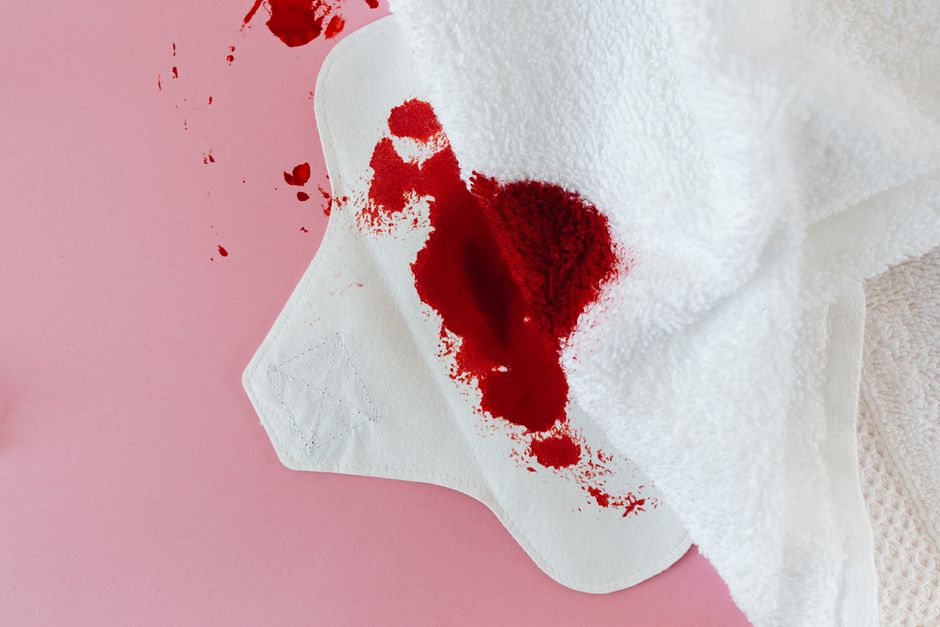
In this article, we’ll explore: Period poverty: A global menstrual health crisis and why it matters today.
Related:
👉 Why Her Health Changes the World: Inside the BcozSheMatters WHO and Health Ministry Campaign
👉 Why Are Our Girls Struggling? Making Sense of the Widening Gender Mental Health Gap
👉 The Silent Struggle: Why Period Poverty Is a Global Menstrual Health Crisis We Can No Longer Ignore
Learn more: Period poverty: A global menstrual health crisis on Investopedia
Imagine for a second that you are a teenage girl named Amara living in a small village. Every month, a natural biological process occurs—one that signals health and the potential for life. But for Amara, this isn’t a milestone to be celebrated. It’s a week of fear, shame, and isolation.
She doesn’t have access to pads or tampons. Instead, she searches for old rags, dried leaves, or even pieces of newspaper to use. They are uncomfortable, they leak, and they cause painful rashes. Because she is afraid of the “red stain” showing on her clothes and the mockery that follows, she stays home from school. She misses five days every month. By the end of the year, she has fallen so far behind her male peers that she eventually drops out entirely.
This isn’t just a sad story from a distant land. This is the daily reality for millions. When we talk about period poverty: a global menstrual health crisis, we are talking about a systemic failure that strips women and girls of their dignity, their health, and their future.
What Exactly is Period Poverty?
At its simplest level, period poverty is the lack of access to menstrual products, hygiene facilities, and reproductive health education. But if we dig deeper, it’s much more than just “not having a pad.”
It is a complex web of economic, social, and political issues. It involves the “Tampon Tax” that makes products unaffordable. It involves the lack of clean water and private toilets in schools and workplaces. And perhaps most damagingly, it involves the crushing weight of social stigma that forces people to suffer in silence.
Whether it’s a student in a high-income country like the United States choosing between buying lunch or a box of tampons, or a woman in a rural community using unsafe materials, the crisis is universal. It doesn’t care about borders; it only cares about the inequality that allows it to thrive.
The Ripple Effect: How Period Poverty Impacts Lives
Period poverty doesn’t happen in a vacuum. It creates a domino effect that impacts almost every aspect of a person’s life. Let’s look at the three main areas where this crisis hits the hardest.
1. The Education Gap
Education is often called the “great equalizer,” but period poverty creates a massive divide. When girls cannot manage their periods safely and with dignity, they stay home. Statistics show that in some parts of Sub-Saharan Africa, one in ten girls misses school during their menstrual cycle. Over time, these absences lead to higher dropout rates, early marriages, and a cycle of poverty that is nearly impossible to break.
2. Severe Health Risks
When someone can’t afford proper sanitary products, they get creative—but that creativity comes at a cost. Using dirty rags, husks, or even sand can lead to severe reproductive and urinary tract infections (UTIs). In extreme cases, the use of unhygienic materials or the prolonged use of a single tampon (because they are trying to “save” them) can lead to Toxic Shock Syndrome (TSS), which can be fatal.
3. Mental Health and Dignity
Have you ever felt the panic of realizing you don’t have a tissue when you need one? Now imagine that feeling lasting for five days every single month, accompanied by the fear of being “found out.” The psychological toll of period poverty includes chronic anxiety, depression, and a diminished sense of self-worth. It reinforces the idea that a natural body process is something “dirty” or “shameful.”
Real-World Examples: A Global Perspective
To understand that this is truly a global menstrual health crisis, we have to look at how it manifests in different environments.
- The United Kingdom: Even in one of the world’s wealthiest nations, a study by Plan International UK found that 1 in 10 girls had been unable to afford sanitary products. Many teachers reported buying products out of their own pockets to give to students so they wouldn’t miss class.
- India: For years, the “hush-hush” nature of menstruation meant that many girls were unaware of what was happening to their bodies during their first period. However, grassroots movements and activists (like the famous “Padman”) have started a revolution in local manufacturing to make low-cost pads available to rural women.
- The United States: In many states, menstrual products are still taxed as “luxury items” while things like Viagra or golf club memberships are exempt. Furthermore, for those experiencing homelessness, pads and tampons are among the least donated but most needed items at shelters.
Breaking the Silence: Why Stigma is the Real Enemy
Why has it taken so long for the world to recognize period poverty as a crisis? The answer is simple: stigma. For centuries, menstruation has been treated as a taboo topic. We use code words like “Aunt Flo” or “that time of the month.” We hide pads up our sleeves on the way to the bathroom.
This culture of silence means that policy-makers (who have historically been men) didn’t see the problem because no one was talking about it. When we don’t talk about periods, we don’t fund research, we don’t build proper toilets, and we don’t pass laws to make products affordable. Breaking the stigma is the first and most important step in ending the crisis.
Signs of Progress: The Light at the End of the Tunnel
It’s not all bad news. In recent years, we have seen a massive shift in how the world views menstrual health. Some countries are leading the way with bold, inspiring actions.
Scotland made history by becoming the first country in the world to make period products free for everyone who needs them. They recognized that access to these products is a fundamental human right, not a luxury. Following their lead, countries like New Zealand and South Korea have started providing free products in all schools.
We are also seeing a rise in sustainable options. Menstrual cups and period underwear are becoming more popular. While the upfront cost is higher, these products can last for years, making them a game-changer for long-term period poverty alleviation and environmental protection.
How You Can Make a Difference
You don’t have to be a politician to help solve this problem. Small actions can lead to big changes.
- Donate products: The next time you see a “buy one, get one free” deal on pads or tampons, donate the extra box to a local food bank or homeless shelter.
- Support “Period Positive” brands: Many companies now have a “one-for-one” model where they donate a pack of pads for every pack you buy.
- Talk about it: Normalize the conversation. The more we talk about menstrual health as a standard part of human biology, the less power the stigma has.
- Advocate for policy change: Support local and national movements to remove the “Tampon Tax” and provide free products in public buildings and schools.
Key Takeaways
- Period poverty: a global menstrual health crisis affects millions of people regardless of their country’s wealth.
- It is a barrier to education, causing girls to miss school and eventually drop out.
- Lack of access to clean products leads to serious health risks, including infections and TSS.
- Stigma and shame are major contributors that prevent policy changes and social support.
- Progress is happening, with countries like Scotland leading the way in providing free products.
Frequently Asked Questions (FAQ)
Is period poverty only a problem in developing countries?
No. While it may look different, period poverty exists in every country. In wealthy nations, it often affects low-income families, students, and those experiencing homelessness who must choose between food and hygiene products.
What are the most common alternatives people use when they can’t afford pads?
People often resort to using old clothes, rags, toilet paper, newspapers, leaves, or even sand wrapped in cloth. These materials are often unhygienic and can cause severe health complications.
How does the “Tampon Tax” contribute to the problem?
The “Tampon Tax” refers to the sales tax placed on menstrual products because they are categorized as non-essential or luxury items. This increases the cost, making them even more inaccessible for people living in poverty.
Can men help in the fight against period poverty?
Absolutely! Men play a crucial role as allies, policy-makers, and educators. By understanding the issue and supporting the removal of taboos, men can help create a more equitable society for everyone.
What is the most sustainable way to end period poverty?
The most sustainable approach is a combination of policy change (making products free or tax-exempt), improving infrastructure (clean water and private toilets), and providing comprehensive menstrual health education for all genders.
Ending period poverty isn’t just about handing out pads; it’s about restoring dignity and ensuring that a natural bodily function never stands in the way of someone’s potential. It’s time we stop whispering and start acting.
Written with love and assistance and refined for quality.
🔗 Related: For millions of women PCOS was…
🔗 Related: Hormonal mechanisms of womens risk in…