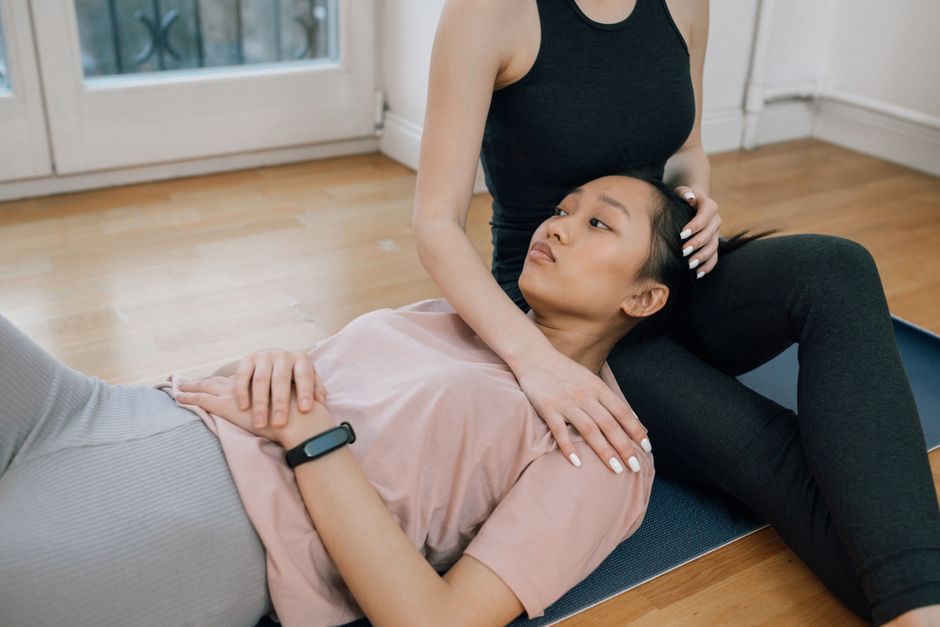
In this article, we’ll explore: Perineal muscle strength as a predictor of stress urinary incontinence among young parous women in Mangaluru India and why it matters today.
Related:
👉 Beyond the Silence: Why Perineal Muscle Strength Matters for Young Moms in Mangaluru
👉 Beyond the Sneeze: Understanding Perineal Strength and Bladder Health for Young Moms in Mangaluru
👉 Beyond the Gym: Research Shows This Supplement Can Help Build Lean Muscle And Improve Brain Health
Imagine you’re enjoying a sunny evening at Panambur Beach with your little one. You’re laughing at their antics, the sea breeze is perfect, and then—it happens. A tiny, involuntary leak. You quickly cross your legs, your heart sinks, and the laughter dies down. You look around, hoping no one noticed. For many young mothers in Mangaluru, this isn’t just a “bad day”—it’s a daily reality.
In the medical world, this is known as Stress Urinary Incontinence (SUI). While it sounds like something that only happens to the elderly, a growing body of research is looking at why this affects young, vibrant women who have recently entered motherhood. Specifically, researchers are looking at perineal muscle strength as a predictor of stress urinary incontinence among young parous women in Mangaluru India.
Today, we’re going to peel back the layers of this “taboo” topic. We’ll talk about why it happens, why Mangaluru’s demographic is unique, and why your muscle strength “down there” is the crystal ball for your future health.
What Exactly is Stress Urinary Incontinence (SUI)?
Before we dive into the data, let’s clear up what SUI actually is. It isn’t about being “stressed” mentally. Instead, it refers to physical pressure (stress) on your bladder. When you cough, sneeze, jump, or even lift your heavy grocery bags from the local market, that pressure pushes on the bladder. If the muscles that act as the “trapdoor” are weak, they can’t stay closed, and a little bit of urine escapes.
For young parous women—women who have given birth—this is incredibly common. Yet, because of cultural modesty and the “it’s just part of being a mom” myth, many women suffer in silence. They stop going to the gym, they stop playing with their kids, and they start planning their lives around the nearest restroom.
The Mangaluru Context: Why This Study Matters
Mangaluru is a unique blend of traditional values and modern lifestyles. With world-class healthcare facilities like KMC, Father Muller’s, and AJ Hospital, you’d think this issue would be at the forefront. However, the coastal lifestyle often involves a lot of physical activity, and the dietary habits and local birthing traditions play a role in how a woman’s body recovers postpartum.
The study on perineal muscle strength as a predictor of stress urinary incontinence among young parous women in Mangaluru India is vital because it focuses on a specific age group: young mothers. These are women in their 20s and 30s who have their whole lives ahead of them. By identifying muscle weakness early, we can prevent a lifetime of discomfort.
The “Hammock” Effect: Your Perineal Muscles
Think of your perineal muscles (part of the pelvic floor) as a sturdy, elastic hammock. This hammock supports your bladder, uterus, and bowels. During pregnancy, this hammock carries a lot of extra weight. During delivery, that hammock is stretched to its absolute limit.
If the hammock loses its “bounce” and becomes saggy, it can no longer support the bladder neck properly. This is where the prediction comes in. If we measure the strength of this hammock shortly after childbirth, we can accurately predict who is likely to develop SUI and intervene before it becomes a chronic problem.
Real-Life Example: Ananya’s Story
Ananya is a 29-year-old software professional living in Bejai. After having her first baby, she felt great physically, but she noticed that every time she went for her morning jog at Kadri Park, she had “accidents.” She felt embarrassed to talk to her doctor, thinking it was just a side effect of a normal delivery.
When she finally participated in a local health screening, her perineal muscle strength was tested. It was significantly lower than average. By identifying this early, her physiotherapist started her on a targeted pelvic floor rehabilitation program. Within three months, Ananya was back to jogging—leak-free. Her story highlights why “prediction” is so much better than “reaction.”
Why Is Perineal Muscle Strength the Key Predictor?
Why do doctors focus so much on this specific muscle group? Because it’s the primary defense mechanism against leaks. Research shows that:
- Muscle Tone: High muscle tone correlates with better bladder control.
- Endurance: It’s not just about a quick squeeze; it’s about how long those muscles can hold under pressure.
- Coordination: The muscles need to “fire” at the exact moment you sneeze. If there’s a delay, SUI occurs.
By using tools like digital palpation or perineometry, healthcare providers in Mangaluru can give women a “score” for their muscle strength. This score is the most reliable way to tell if a woman will struggle with SUI in the coming years.
The Factors That Influence Strength in Young Mothers
Not every woman who gives birth will experience SUI. So, what makes the difference? Several factors influence perineal muscle strength as a predictor of stress urinary incontinence among young parous women in Mangaluru India:
1. Type of Delivery
While SUI can happen after a C-section (because the weight of the pregnancy itself weakens the muscles), it is more prevalent in women who had prolonged vaginal deliveries or used vacuum/forceps assistance. These methods can sometimes cause micro-tears in the muscle fibers.
2. Number of Pregnancies
The more “rounds” the hammock goes through, the more likely it is to lose its elasticity. However, even “one-and-done” mothers can face significant weakness if they don’t engage in postpartum recovery exercises.
3. Body Mass Index (BMI)
In Mangaluru, our love for delicious, coconut-rich curries and sweets is well-known! However, carrying extra weight puts constant downward pressure on the pelvic floor, making it harder for the perineal muscles to do their job.
4. Lack of Awareness
Many women in our region are taught to focus entirely on the baby’s health, often neglecting their own physical therapy. Postpartum “confinement” periods often focus on diet but rarely on muscle rehabilitation.
How to Improve Perineal Strength: Moving Beyond the Prediction
If you’re a young mother in Mangaluru and you’re worried about your muscle strength, the good news is that these muscles are just like any other muscle in your body—they can be trained!
The Power of Kegels
Most women have heard of Kegels, but few do them correctly. It’s not about squeezing your butt or your thighs; it’s about an internal lift. Imagine you are trying to pick up a marble with your vagina. Hold for five seconds, and relax for five seconds.
Professional Physiotherapy
Mangaluru is home to some of the best women’s health physiotherapists in the country. They use “biofeedback” to show you exactly which muscles are working. This takes the guesswork out of the process.
Lifestyle Tweaks
- Manage Constipation: Straining on the toilet is an enemy of the pelvic floor. Eat plenty of fiber and stay hydrated.
- Lift Correctly: When picking up your toddler, exhale as you lift. This reduces the internal pressure on your bladder.
- Stay Active: Low-impact exercises like walking or swimming are great for overall tone.
Key Takeaways for Young Mothers
- It’s Not Just You: SUI is incredibly common among young mothers in Mangaluru, but it is not “normal.”
- Strength is Predictable: Measuring perineal muscle strength is the best way to predict and prevent future issues.
- Early Intervention: The sooner you address muscle weakness after childbirth, the faster the recovery.
- Seek Local Help: Don’t be afraid to visit a gynecologist or a pelvic floor specialist in the city.
Frequently Asked Questions (FAQ)
1. Can I have SUI even if I had a C-section?
Yes. The pressure of carrying a baby for nine months stretches the pelvic floor muscles regardless of how the baby is delivered. While vaginal births have a higher risk, C-section moms are not immune.
2. Is it too late to start exercises if my child is already 5 years old?
Never! While the study focuses on “young parous women” to catch issues early, the perineal muscles can be strengthened at any age. You can see significant improvement even years after giving birth.
3. How do I know if my perineal muscles are weak?
Common signs include leaking when coughing or sneezing, a frequent urge to urinate, or a feeling of “heaviness” in the pelvic area. A professional assessment is the most accurate way to know.
4. Are there specific clinics in Mangaluru for this?
Yes, most major hospitals in Mangaluru (like KMC, Father Muller’s, and Yenepoya) have specialized OB-GYN departments and physiotherapy units that focus on pelvic floor health.
5. Does diet affect SUI?
Indirectly, yes. A diet that leads to obesity or chronic constipation can worsen SUI by putting more pressure on the perineal muscles. Staying hydrated and eating a balanced diet helps maintain tissue health.
Conclusion
The research into perineal muscle strength as a predictor of stress urinary incontinence among young parous women in Mangaluru India is a call to action. It’s a reminder that a mother’s health is the foundation of a family’s well-being. We need to stop treating bladder leaks as an embarrassing secret and start treating them as a manageable health condition.
If you’re a young mom in our beautiful coastal city, take a moment to check in with yourself. Don’t let the fear of a leak keep you from the things you love. Whether it’s a walk at Kadri Park, a shopping trip to Forum Mall, or a hearty laugh with friends over a cup of filter coffee—you deserve to enjoy every moment with confidence. Your strength is your power, and it’s time to reclaim it.
Written with love and assistance and refined for quality.
🔗 Related: Research Shows This Supplement Can Help…
🔗 Related: Women with polycystic ovary syndrome exhibit…
🔗 Related: BcozSheMatters: WHO Health Ministry roll out…
🔗 Related: Perineal muscle strength as a predictor…