In this article, we’ll explore: 8 Foods To Avoid With an Upset Stomachand What To Eat Instead and why it matters today.
Related:
👉 Why Her Health Changes Everything: A Deep Dive into the BcozSheMatters Campaign
👉 Beyond the Hormones: Why PCOS Affects Pregnancy and the New Science of Endometrial Receptivity
👉 Understanding Why PCOS Makes Pregnancy Difficult: The New Science of Histone Lactylation
Learn more: 8 Foods To Avoid With an Upset Stomachand What To Eat Instead on Google Search
We’ve all been there. You’re sitting at your desk, or maybe you’re out with friends, and suddenly you feel it—that unmistakable “uh-oh” moment in your gut. Maybe it’s a sharp cramp, a wave of nausea, or a gurgling sound that seems loud enough for the whole room to hear. When your stomach is in turmoil, the world feels like a very uncomfortable place.
In those moments, your first instinct is usually to find relief. But often, we make the mistake of reaching for the wrong “comfort” foods, only to find ourselves feeling twice as bad an hour later. Understanding 8 Foods To Avoid With an Upset Stomach and What To Eat Instead is the difference between a quick recovery and a long, miserable day on the bathroom floor.
Let’s dive into the science of why your stomach is acting up and, more importantly, how you can soothe it back to health without making things worse.
Why Does Food Matter So Much When You’re Sick?
Think of your digestive system like a high-performance engine. When it’s running smoothly, it can handle a lot of different fuels. But when the engine is “flooded” or damaged—due to a virus, food poisoning, or just plain old indigestion—it becomes incredibly sensitive. Certain foods act like sand in the gears, causing inflammation, gas, and irritation.
The goal when you have an upset stomach is “bowel rest.” You want to give your digestive tract as little work to do as possible while still staying hydrated and nourished. This is why knowing what to skip is just as important as knowing what to eat.
8 Foods To Avoid With an Upset Stomach
1. Dairy Products (Milk, Cheese, and Ice Cream)
You might think a bowl of cold vanilla ice cream sounds soothing, but for a distressed stomach, dairy is often a nightmare. Many people have a slight “secondary lactose intolerance” when they are sick. This happens because the enzyme needed to digest milk sugar (lactase) is located on the tips of the cells lining your small intestine. When you have a stomach bug or inflammation, those cells are temporarily damaged.
The Result: Bloating, gas, and worsened diarrhea. Even if you aren’t usually lactose intolerant, your body might struggle with dairy until you’re 100% recovered.
2. Fried and Fatty Foods
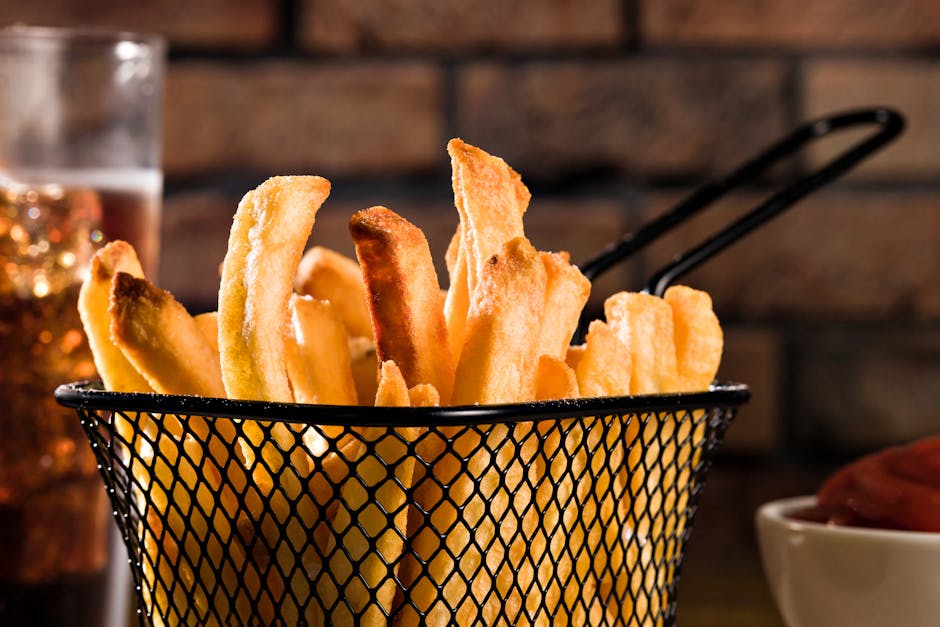
French fries, burgers, and even heavily buttered toast are high in fats. Fat takes a long time to move through the digestive system. When your stomach is already irritated, it doesn’t want to deal with a “slow-moving” heavy meal. High-fat foods can trigger contractions in the digestive tract, which can lead to cramping or even more frequent trips to the bathroom.
3. Spicy Foods
We all love a good kick of chili or hot sauce, but capsaicin (the compound that makes peppers hot) can irritate the lining of the esophagus and stomach. If you’re already dealing with acid reflux or a sensitive stomach lining, adding spice is like pouring gasoline on a fire. It speeds up digestion in a way that often results in “emergency” bathroom breaks.
4. Artificial Sweeteners
Check the label on your “sugar-free” gum or diet sodas. If you see ingredients like sorbitol, xylitol, or erythritol, put them away. These sugar alcohols are notorious for being poorly absorbed in the gut. They pull water into your intestines and are fermented by bacteria, which leads to intense gas and a laxative effect. When your stomach is upset, the last thing you need is a chemical-induced sprint to the toilet.
5. Raw Vegetables (Cruciferous Veggies)
Usually, we think of broccoli, cauliflower, and cabbage as “superfoods.” And they are! But they are also packed with complex fibers and a sugar called raffinose that is very hard to break down. When your gut is healthy, this fiber is great for you. When your gut is inflamed, it causes massive amounts of gas and bloating.
6. Citrus and Acidic Foods
Oranges, lemons, and tomatoes are highly acidic. If your upset stomach is accompanied by nausea or heartburn, these acids can irritate the sensitive lining of your stomach and throat. A glass of orange juice might seem like a good way to get Vitamin C, but the acidity might just make you feel more nauseous.
7. Caffeine and Alcohol
Both caffeine and alcohol act as diuretics, meaning they dehydrate you. When you have an upset stomach—especially if you have diarrhea or vomiting—staying hydrated is your number one priority. Furthermore, caffeine can stimulate the digestive tract to move faster, which is exactly what you don’t want when things are already “moving” too quickly.
8. Highly Processed or Sugary Snacks
Refined sugars in candies and sodas can cause “osmotic pressure” in the gut. Similar to artificial sweeteners, high concentrations of sugar can draw water into the intestines, making diarrhea worse. Plus, the preservatives in processed snacks can be difficult for a weakened system to process.
What To Eat Instead: The Road to Recovery
Now that we’ve covered the “no-go” zone, let’s talk about the heroes of the digestive world. When you’re looking for 8 Foods To Avoid With an Upset Stomach and What To Eat Instead, the “Instead” part is where the healing happens.
The BRAT Diet
For decades, doctors have recommended the BRAT diet for short-term recovery. It stands for:
- Bananas: They are easy to digest and high in potassium, which you lose when you’re sick.
- Rice: Plain white rice is low in fiber and acts as a “binding” food to help firm up stools.
- Applesauce: It provides a gentle source of energy and is easier on the stomach than a whole, fibrous apple.
- Toast: Plain white toast (without the butter!) gives you simple carbohydrates without irritating the gut.
Ginger and Peppermint
Ginger is a natural anti-emetic, which is a fancy way of saying it stops nausea. Whether it’s a cup of ginger tea or a small piece of fresh ginger root, it can help calm the stomach muscles. Peppermint tea is also excellent for relieving gas and bloating because it helps relax the muscles in the digestive tract.
Clear Broths
Bone broth or simple vegetable broth is a lifesaver. It provides essential electrolytes and hydration without requiring any “chewing” or heavy digestion. It’s the perfect bridge between a liquid diet and solid foods.
Probiotic-Rich Foods (Later On)
Once the worst of the symptoms have passed, you want to invite the “good bugs” back into your gut. Low-fat plain yogurt or fermented foods like sauerkraut (in small amounts) can help restore your microbiome. Just make sure to wait until the acute cramping has stopped before reintroducing dairy-based probiotics.
Real-World Example: Sarah’s Spicy Mistake
Take Sarah, for example. Sarah had a mild stomach bug on Tuesday. By Wednesday morning, she felt a little better and decided she needed “energy.” She grabbed a large iced coffee (caffeine) and a breakfast burrito with extra hot sauce (fat and spice). Within thirty minutes, Sarah was back in bed, feeling worse than she did the day before. Her mistake wasn’t eating—it was eating foods that required a 100% healthy gut to process.
If Sarah had opted for a bowl of plain white rice and a cup of ginger tea, she likely would have been back on her feet by the afternoon. The lesson? Patience is a virtue when it comes to digestion.
Key Takeaways for a Happy Gut
- Keep it Bland: If it looks “boring,” it’s probably safe. White foods (rice, bread, potatoes) are your friends.
- Hydration is King: Sip water, broth, or electrolyte drinks constantly. Avoid gulping, as that can trigger the gag reflex.
- Small Portions: Don’t try to eat a full meal. Eat a few crackers every hour to keep your blood sugar stable.
- Listen to Your Body: If the thought of a certain food makes you cringe, don’t eat it. Your brain and gut are closely linked.
Frequently Asked Questions (FAQ)
How long should I wait before eating “normal” food again?
Typically, you should wait 24 to 48 hours after your last “incident” (vomiting or diarrhea) before slowly reintroducing oils, spices, and dairy. Start with small amounts and see how your body reacts.
Is soda okay if I let it go flat?
Some people swear by flat ginger ale or lemon-lime soda. While the sugar can provide a quick energy boost, be careful. The high sugar content can sometimes trigger more diarrhea. Diluting it with water is often a safer bet.
Can I eat protein when my stomach is upset?
Yes, but stick to lean sources. Boiled chicken breast or steamed white fish are excellent choices. Avoid red meat or fried chicken, as the fat content will likely cause distress.
Is oatmeal a good choice?
Oatmeal is a “maybe.” For some, the soluble fiber in oatmeal is soothing. For others, it might be too much fiber too soon. If you do try it, make it with water instead of milk and keep it plain.
When should I see a doctor?
If you cannot keep any liquids down for more than 12 hours, see blood in your stool, have a high fever, or experience signs of severe dehydration (dark urine, dizziness, extreme thirst), seek medical attention immediately.
Conclusion
Dealing with an upset stomach is never fun, but you don’t have to make it harder than it needs to be. By remembering these 8 Foods To Avoid With an Upset Stomach and What To Eat Instead, you can navigate your recovery with confidence. Stick to the basics, prioritize hydration, and give your body the time it needs to heal. Your gut will thank you!
Written with love and assistance and refined for quality.
{“@context”:”https://schema.org”,”@type”:”Article”,”headline”:”The Ultimate Guide: 8 Foods To Avoid With an Upset Stomach and What To Eat Instead”,”description”:”In this article, weu2019ll explore: 8 Foods To Avoid With an Upset Stomachand What To Eat Instead and why it…”,”author”:{“@type”:”Person”,”name”:”Dr. Cuterus”},”datePublished”:”2026-05-29T07:05:20+00:00″,”dateModified”:”2026-05-29T07:05:20+00:00″,”mainEntityOfPage”:”https://healthyworldz.com/the-ultimate-guide-8-foods-to-avoid-with-an-upset-stomach-and-what-to-eat-instead-2/”,”image”:[“https://healthyworldz.com/wp-content/uploads/2026/05/8-foods-to-avoid-with-an-upset-stomachand-what-to-eat-instead-166.jpg”]}
🔗 Related: Women with polycystic ovary syndrome exhibit…
🔗 Related: Muscle Plays a Role in Weight…
🔗 Related: Hormonal mechanisms of womens risk in…