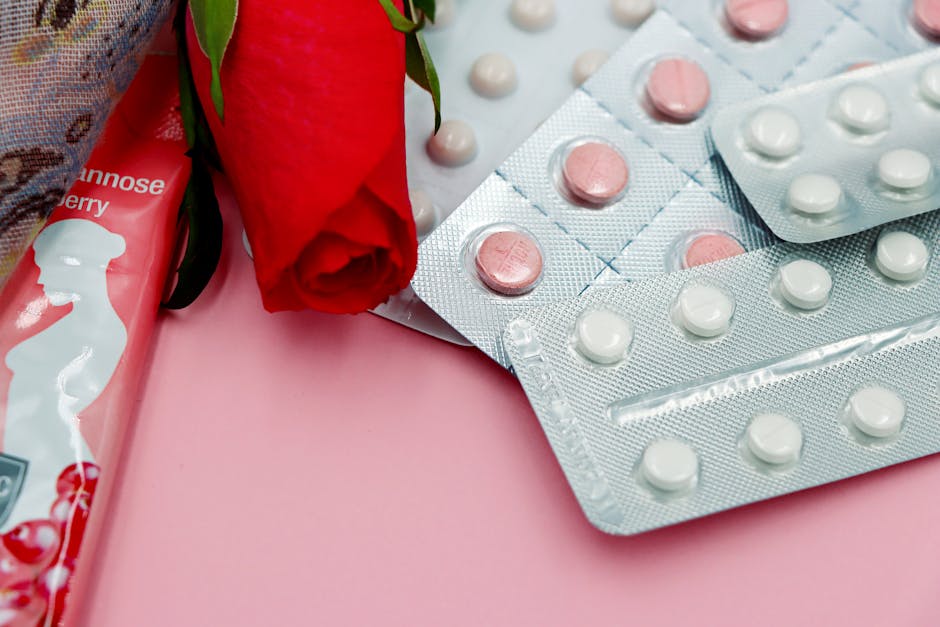
In this article, we’ll explore: Hormonal mechanisms of womens risk in the face of traumatic stress and why it matters today.
Related:
👉 Understanding the Invisible Dance: How Hormones Shape Women's Risk After Trauma
👉 Unpacking the Invisible Burden: How Hormones Shape Women's Risk in the Face of Traumatic Stress
👉 Unraveling the Invisible Threads: How Hormones Shape Women's Risk After Traumatic Stress
Learn more: Hormonal mechanisms of womens risk in the face of traumatic stress on Google Search
Life throws curveballs at all of us. Sometimes, those curveballs aren’t just challenging; they’re traumatic. A car accident, a natural disaster, an assault, the sudden loss of a loved one – these events can shake us to our core. And while trauma impacts everyone, research consistently shows a striking difference: women are twice as likely as men to develop Post-Traumatic Stress Disorder (PTSD) after experiencing trauma.
Have you ever wondered why? Is it just societal factors, or is there something deeper, something biological, at play? The answer, it turns out, is a fascinating and complex dance involving our hormones. Understanding the **hormonal mechanisms of women’s risk in the face of traumatic stress** isn’t about labeling one gender as “weaker” or “stronger.” It’s about recognizing the intricate biological wiring that makes women’s experiences with trauma uniquely challenging and, crucially, how this knowledge can lead to better support and more effective treatments.
Let’s pull back the curtain on this unseen hormonal rollercoaster and explore how our internal chemistry shapes our response to the most harrowing moments of our lives.
Hormones 101: Your Body’s Silent Messengers
Before we dive into the specifics of trauma, let’s have a quick refresher on hormones. Think of hormones as tiny, powerful messengers zooming around your body. They’re chemicals produced by various glands that travel through your bloodstream, telling different organs and systems what to do. They regulate everything from your mood and sleep to your metabolism and, yes, your response to stress.
When it comes to stress and trauma, two main categories of hormones come into play:
* **Stress Hormones:** These are your immediate responders, like cortisol and adrenaline, part of the “fight, flight, or freeze” system.
* **Sex Hormones:** Primarily estrogen and progesterone in women, these hormones fluctuate throughout the menstrual cycle, pregnancy, and menopause, and they have a profound influence on brain function and stress reactivity.
The Stress Response System: Your Ancient Survival Kit
Imagine you’re walking in the woods and suddenly come face-to-face with a bear. Your body doesn’t pause to deliberate. Instantly, your brain’s alarm system, specifically a tiny almond-shaped region called the amygdala, screams “DANGER!” This triggers a cascade of events known as the Hypothalamic-Pituitary-Adrenal (HPA) axis.
Here’s the simplified version of what happens:
1. **Hypothalamus:** The brain’s command center sends a signal.
2. **Pituitary Gland:** Releases a hormone that travels to your adrenal glands.
3. **Adrenal Glands:** Perched atop your kidneys, these glands pump out stress hormones like:
* **Adrenaline (Epinephrine):** Gives you that sudden burst of energy, rapid heartbeat, and heightened senses. You’re ready to run or fight.
* **Cortisol:** Often called the “stress hormone,” cortisol mobilizes energy reserves, suppresses non-essential functions (like digestion), and sharpens memory formation, especially for emotionally charged events.
This system is brilliant for acute, immediate threats. It helps you survive. But in the aftermath of trauma, especially if the perceived threat lingers or the memory is constantly replayed, this system can go awry, leading to the persistent symptoms of PTSD.
The Female Hormonal Landscape: Estrogen and Progesterone’s Dance
Now, here’s where the unique female experience comes into sharp focus. Women’s bodies are governed by the rhythmic fluctuations of estrogen and progesterone, primarily driven by the menstrual cycle. These aren’t just “reproductive hormones”; they are powerful neurosteroids that directly impact brain regions involved in stress, emotion, and memory.
Estrogen’s Double-Edged Sword
Estrogen is a fascinating hormone with a complex role in the brain. It can be protective in some ways, but also increase vulnerability in others.
* **Memory and Fear:** Estrogen can enhance memory consolidation, particularly for emotional memories. While helpful for learning, this means that during times of high estrogen, traumatic memories might be “etched” more vividly and rigidly into the brain. This could contribute to the intrusive thoughts, flashbacks, and nightmares common in PTSD.
* **Amygdala Activity:** Estrogen can increase the activity of the amygdala, the brain’s fear center. A more reactive amygdala means a heightened sense of threat and increased anxiety.
* **HPA Axis Modulation:** Estrogen can influence the sensitivity of the HPA axis. Sometimes it can dampen the stress response, but at other times, especially at certain levels, it might make the system more reactive.
Think of it like this: If you experience a traumatic event when your estrogen levels are high (like during the follicular phase of your cycle, leading up to ovulation), your brain might be primed to record that memory with extra intensity, making it harder to process and move past later.
Progesterone and Its Calming Influence
Progesterone, on the other hand, often plays a more calming role. It metabolizes into a neurosteroid called allopregnanolone, which acts on GABA receptors in the brain. GABA is your brain’s primary inhibitory neurotransmitter – it puts the brakes on brain activity, promoting relaxation and reducing anxiety.
* **Anxiety Reduction:** Allopregnanolone has powerful anxiolytic (anxiety-reducing) effects. It can help calm the nervous system and reduce feelings of fear.
* **Stress Resilience:** Higher levels of progesterone, particularly in the luteal phase (after ovulation, before your period), might offer a degree of resilience against stress.
* **Sleep:** Progesterone also aids in sleep, which is often severely disrupted in individuals experiencing trauma.
So, if a traumatic event occurs during a phase of your cycle when progesterone levels are low (like during your period or early follicular phase), you might have less of your natural “calming agent” available, potentially making you more susceptible to the long-term effects of trauma.
The Interplay: How Sex Hormones Influence Stress Hormones
It’s not just about estrogen or progesterone alone; it’s about their dynamic interplay with the stress hormones (cortisol and adrenaline). These systems are constantly talking to each other, influencing each other’s activity.
For example, high estrogen levels can sometimes lead to a blunted cortisol response to stress, meaning your body might not release enough cortisol when needed, or it might struggle to regulate it properly afterward. In PTSD, we often see dysregulation of the HPA axis – either too much cortisol, too little, or a delayed response. The fluctuating levels of estrogen and progesterone can throw a wrench into this delicate balance, making it harder for the HPA axis to recover and return to a normal state after a traumatic event.
Imagine Sarah, a 32-year-old woman who experiences a severe car accident. If the accident happens during the week before her period, when her estrogen levels are relatively high and progesterone is starting to rise, her brain might process and store the traumatic memory differently than if it happened during her period when both hormones are low. This isn’t to say one time is “better” to experience trauma, but it illustrates how the hormonal environment at the time of the event can significantly impact the initial trauma response and the subsequent risk of PTSD.
Why This Matters: Real-World Implications
Understanding these **hormonal mechanisms of women’s risk in the face of traumatic stress** isn’t just academic; it has profound implications for how we approach prevention, diagnosis, and treatment.
1. **Higher PTSD Rates:** The hormonal factors likely contribute significantly to the higher prevalence of PTSD in women.
2. **Symptom Presentation:** Women often report more anxiety, depression, and dissociative symptoms with PTSD, which could be linked to these hormonal influences on mood and memory.
3. **Treatment Effectiveness:** Some studies suggest that certain treatments, including medications and therapies, might be more or less effective depending on a woman’s hormonal status. For instance, therapies that focus on fear extinction (learning that a threat is no longer present) might be influenced by estrogen levels.
4. **Targeted Interventions:** This knowledge opens the door for developing more personalized and effective treatments. Could specific hormonal therapies, administered at particular times, help women better process trauma or reduce their risk of PTSD? This is an exciting area of ongoing research.
Beyond the Cycle: Other Hormonal Influences
The menstrual cycle isn’t the only time women experience significant hormonal shifts. Other life stages also play a crucial role:
* **Pregnancy and Postpartum:** The dramatic hormonal changes during and after pregnancy can influence a woman’s vulnerability to stress and trauma. Postpartum depression and anxiety, for instance, are well-documented, and the hormonal shifts can compound the impact of any traumatic birth experience or other life stressors.
* **Perimenopause and Menopause:** As estrogen and progesterone levels decline and fluctuate erratically, women may experience increased anxiety, mood swings, and sleep disturbances. Experiencing trauma during this time can be particularly challenging, as the body’s natural resilience mechanisms may be altered.
Key Takeaways
* Women are significantly more likely to develop PTSD after trauma than men.
* **Hormonal mechanisms of women’s risk in the face of traumatic stress** play a crucial role in this difference.
* Estrogen can enhance the consolidation of emotional memories and increase amygdala activity, potentially making traumatic memories more vivid and persistent.
* Progesterone, through its metabolite allopregnanolone, generally has a calming, anxiety-reducing effect.
* The fluctuating levels of these sex hormones can modulate the body’s stress response system (HPA axis), influencing how a woman experiences and recovers from trauma.
* Understanding these biological differences is vital for developing more effective, personalized treatments for women experiencing trauma.
Frequently Asked Questions (FAQ)
Q: Does this mean women are “weaker” in the face of trauma?
Absolutely not. It means women are biologically wired differently, with a complex hormonal system that interacts uniquely with stress. This isn’t about weakness; it’s about distinct biological vulnerabilities and strengths. Recognizing these differences allows for better understanding and targeted support, not judgment.
Q: Can men also experience hormonal influences on trauma response?
Yes, men’s hormones, particularly testosterone, also play a role in their stress response and risk for PTSD. While the mechanisms are different, testosterone levels can influence fear processing and emotional regulation. The field of male hormonal influences on trauma is also an active area of research.
Q: How can this information help me or someone I know?
Knowledge is power. If you’re a woman struggling after trauma, understanding that your hormones might be playing a role can validate your experience. It can encourage you to seek out healthcare providers who are informed about these nuances. It also highlights the importance of considering a woman’s specific hormonal stage (e.g., menstrual cycle phase, pregnancy, menopause) when assessing and treating trauma.
Q: What can be done to mitigate these risks?
While we can’t control our basic biology, understanding these mechanisms can lead to more informed strategies. This might include:
- **Trauma-informed therapy:** Therapies like Cognitive Behavioral Therapy (CBT) and Eye Movement Desensitization and Reprocessing (EMDR) are highly effective.
- **Hormonal awareness:** Tracking your cycle and understanding how different phases might affect your mood and stress response can be empowering.
- **Lifestyle interventions:** Stress reduction techniques (mindfulness, yoga), regular exercise, and a healthy diet can help regulate hormonal balance and improve stress resilience.
- **Personalized medical care:** Discussing your hormonal health with your doctor, especially if you’re experiencing trauma symptoms, can lead to more tailored treatment plans.
The human body is an incredible, intricate machine, and our hormones are the conductors of a complex symphony. For women, this symphony has unique movements that profoundly shape the experience of traumatic stress. By shining a light on the **hormonal mechanisms of women’s risk in the face of traumatic stress**, we move closer to a future where support and treatment are as nuanced and individualized as the people they aim to help. It’s about empowering women with understanding, fostering empathy, and paving the way for more effective healing.
Written with love and assistance and refined for quality.
{“@context”:”https://schema.org”,”@type”:”Article”,”headline”:”The Unseen Hormonal Rollercoaster: Understanding Women’s Unique Vulnerability to Traumatic Stress”,”description”:”In this article, weu2019ll explore: Hormonal mechanisms of womens risk in the face of traumatic stress and why it matters…”,”author”:{“@type”:”Person”,”name”:”rahuljait”},”datePublished”:”2026-05-11T07:33:54+00:00″,”dateModified”:”2026-05-11T07:33:54+00:00″,”mainEntityOfPage”:”https://healthyworldz.com/the-unseen-hormonal-rollercoaster-understanding-womens-unique-vulnerability-to-traumatic-stress/”,”image”:[“https://healthyworldz.com/wp-content/uploads/2026/05/hormonal-mechanisms-of-womens-risk-in-the-face-of-traumatic-stress-53.jpg”]}
🔗 Related: 8 Foods To Avoid With an…
🔗 Related: Women with polycystic ovary syndrome exhibit…
🔗 Related: Hormonal mechanisms of womens risk in…